US B-52 modernisation faces billions in cost overruns and schedule delays
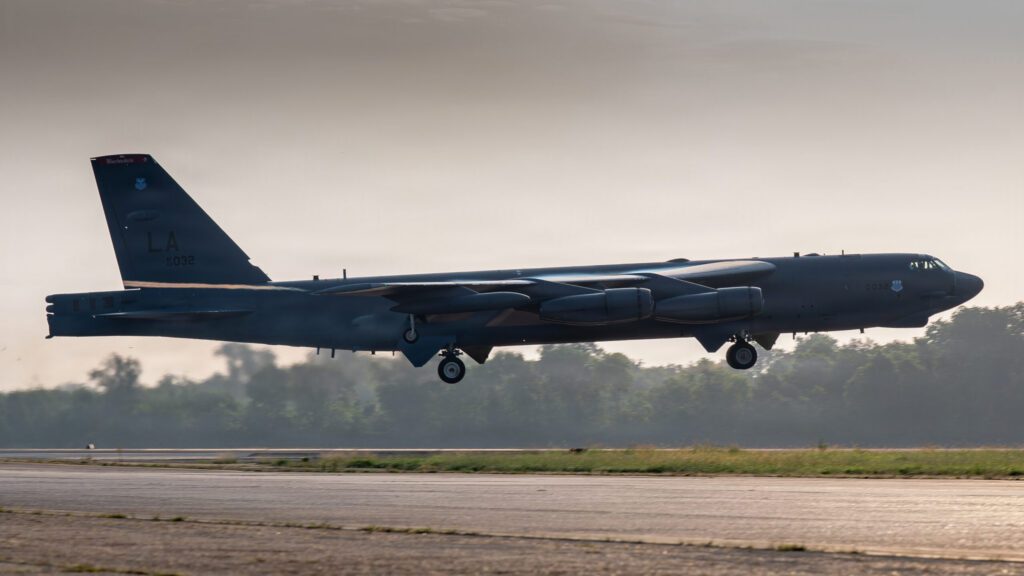
A new US watchdog report reveals significant financial and scheduling risks in the multibillion-dollar modernisation of the B-52 fleet, raising concerns about the readiness of a cornerstone NATO asset and the procurement execution of major aerospace contractors.
The United States Air Force’s plan to extend the operational life of its B-52 Stratofortress bombers into the 2050s is facing severe cost and schedule risks, according to a new Government Accountability Office (GAO) report. The watchdog warned that officials are not fully utilising available management tools to oversee the multibillion-dollar modernisation effort.
The Air Force intends to spend approximately $21 billion across 13 different upgrades for the Eisenhower-era aircraft. However, two major programmes are particularly vulnerable to financial and operational challenges, with direct implications for major European and American aerospace suppliers.
The Commercial Engine Replacement Program (CERP) will swap aging Pratt & Whitney engines for modern Rolls-Royce F130 powerplants. Expected costs have now reached $15.4 billion, representing a $400 million increase over previous projections and a 38 percent jump since 2018.
Development is now scheduled to begin in the third quarter of fiscal 2026. The GAO cautioned that concurrent engine production and developmental flight testing planned for fiscal 2029 could lead to costly rework if unwelcome technical issues arise.
Further delays could disrupt the maintenance choreography of the broader B-52 fleet. The Air Force has not planned for CERP delays beyond 2031, risking an inability to sustain current engines and meet future operational requirements.
The Radar Modernization Program (RMP), which integrates an RTX sensor, has also seen its budget balloon by 30 percent to over $2.9 billion. The Air Force anticipates the system will become operational in the third quarter of fiscal 2030, three-and-a-half years behind the original schedule.
This radar upgrade carries its own concurrency risks, as production is slated to begin after only two months of the 18 months of planned flight testing. The GAO noted that the Air Force has removed unspecified performance requirements, meaning the service will receive less capability while paying more.
The RMP effort suffered a severe setback in June when a flight test aircraft crashed shortly after takeoff from Edwards Air Force Base in California, killing all eight crew members. Programme officials are currently supporting the mishap investigation and will adjust schedules as necessary.
Beyond these two flagship upgrades, the GAO found that 12 of the 13 modernisation efforts are failing to use digital engineering tools in line with industry best practices. This omission risks future sustainment challenges and missed efficiency opportunities across the fleet.
Organisational issues further compound the problem, with the B-52 fleet lacking one-third of its required unique support equipment. The Air Force also lacks clear guidance on lifecycle management responsibility for this gear, threatening aircraft availability for operational deployment.
Mission capable rates for the bomber have not improved since a November 2022 assessment, though current data is withheld as sensitive by the Defense Department. The Air Force and prime contractor Boeing did not immediately respond to requests for comment on the modernisation schedule.
The service has concurred with five of the GAO’s six recommendations. However, it only partially agreed with the recommendation to delay the engine programme’s production decision to analyse the impact of recent cost increases and schedule delays.