Labour holds Greater Manchester mayoralty in decisive byelection victory
Bev Craig’s victory secures a key political stronghold for the new prime minister and signals a potential reversal of Reform UK’s recent momentum across northern England.
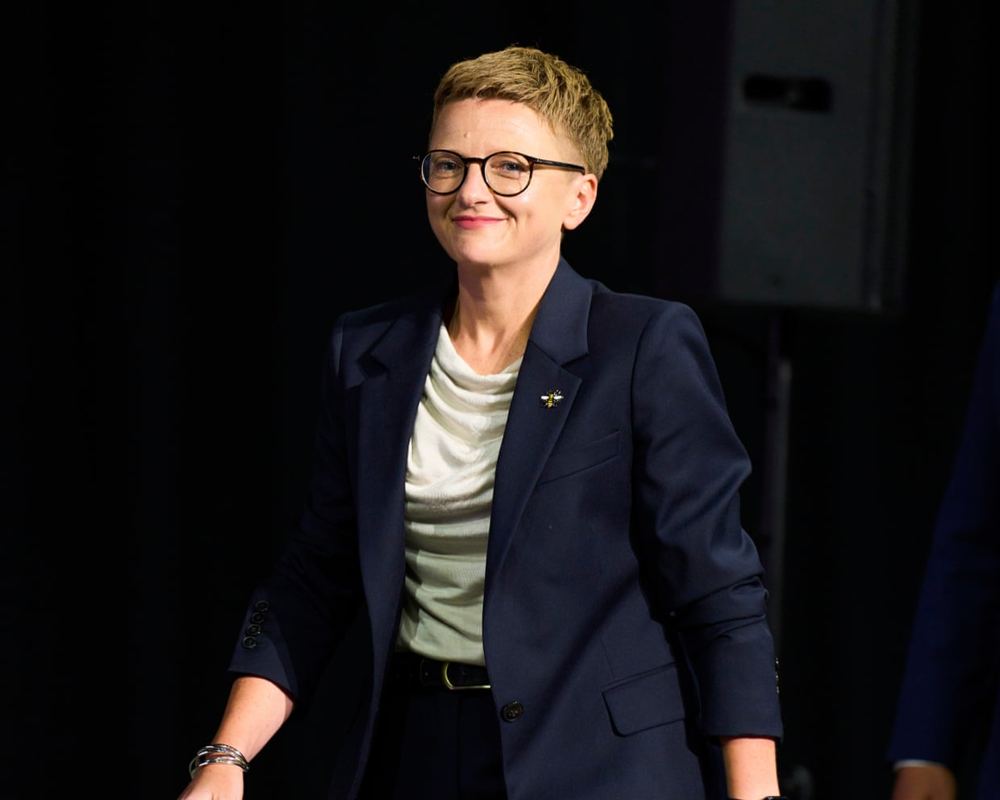
Labour has retained control of the Greater Manchester mayoralty, with city council leader Bev Craig defeating rivals from Reform UK and the Green Party. The contest, triggered by Andy Burnham’s departure to parliament in June, marks the largest mayoral byelection in British political history with over two million eligible voters.
Craig secured 47 per cent of first-preference votes. Under the supplementary vote system, the elimination of other candidates pushed Labour’s final share to 66.3 per cent, leaving Reform UK at 33.7 per cent.
The result provides a crucial stabilising signal for the new prime minister’s government. It suggests the ruling party can reclaim both left- and right-leaning voters who had previously drifted away, countering recent narratives of electoral vulnerability in traditional northern strongholds.
The outcome compounds existing difficulties for Nigel Farage’s Reform UK. The party surrendered its year-long lead in national polls and faces internal scrutiny over funding. Farage further disrupted the local campaign by standing down as an MP to fight a parliamentary byelection in Clacton.
Despite Reform UK winning more than 100 local seats across the region in May, Labour dominated the mayoral contest at the ward level. The party won every ward in Bury and Tameside, and 17 of 20 wards in Oldham, an area where Reform had recently ended Labour’s 15-year control of the local council.
Reform UK also faced pressure from its right flank. Restore Britain, an anti-immigration party launched six months ago by Rupert Lowe, captured 8.7 per cent of the vote to finish ahead of the Conservatives. The party performed strongly in deprived outer boroughs, taking 14 per cent in Tameside and 12 per cent in Rochdale and Oldham.
The Green Party finished third with 12 per cent of the initial vote. Candidate Geraldine Coggins noted a surge in support under recent leadership but argued the result was “not a ringing endorsement” for Labour. She pointed out that Craig’s 47 per cent first-preference share fell well short of the 60 per cent minimum Andy Burnham secured in his previous victories.
Voter engagement remained a challenge, with turnout hitting just 25 per cent, the third lowest for any mayoral byelection. Speaking at her victory event, Craig urged society to “move away from divisive politics that try to pit neighbour against neighbour” and praised residents for “rejecting the politics of hate”.