Germany's smart meter delay stalls its energy transition
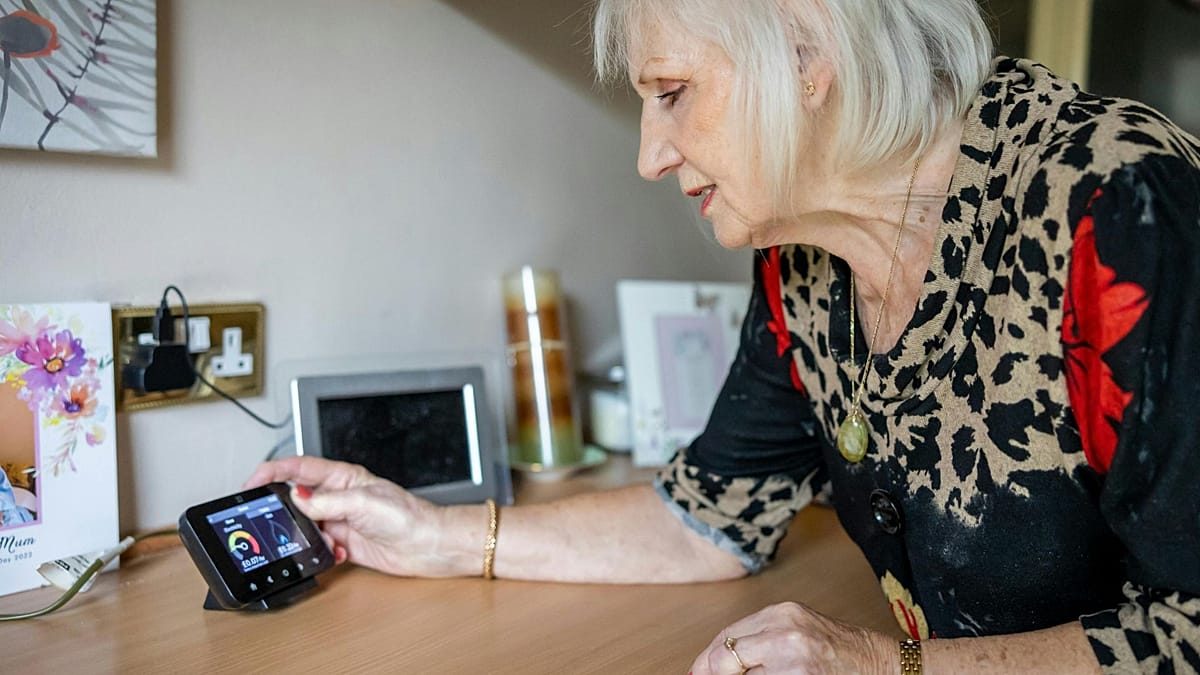
Germany’s sluggish smart meter adoption, driven by strict privacy rules and outdated cost fears, is forcing the government to consider cheaper alternatives to unlock billions in potential energy savings.
Just 5.5 per cent of German households had a smart meter by December 2025, leaving the country far behind the 63 per cent EU average and the near-universal adoption seen in France, Italy, Spain and the Netherlands. Germany is now off-track to meet its 2032 target of fitting the devices in 90 per cent of required homes.
This lag carries a steep economic price. Germany generated more power from wind and solar than fossil fuels last year, according to the Energy Institute. However, without meters to shift consumption to periods of high renewable output, supply frequently outstrips demand. That dynamic drives negative wholesale prices and forced curtailment, with the government paying renewable generators roughly €435 million in 2025 to switch off.
The bottleneck traces back to 2012. Germany used an EU opt-out clause after a commissioned study by Ernst & Young warned installation costs would exceed household savings. At the time, intense data privacy debates fuelled media warnings about "Spionagezähler" (spy meters) creating "gläserner Mensch" (transparent people).
Those fears led to stringent security mandates. Today, data must be processed locally and encrypted under rules from the Federal Office for Information Security, while upcoming EU regulations like the Cyber Resilience Act add further compliance layers. "I do not think security and privacy concerns are still a very relevant issue today," says Dr Christoph Sorge of Saarland University, but the rigorous certification process has slowed deployment and inflated costs.
To break the deadlock, a coalition of digital energy suppliers including Octopus Energy, Tibber, Rabot Energy and Ostrom is pushing a "Smart Meter Light". This stripped-down device would enable dynamic tariffs without the full control hardware of a standard meter. The German coalition government embraced the concept in its July 2026 reform package for certain households.
The proposal has divided the industry. Andy Bradley of LCP Delta calls the lighter device "an important trigger to enable dynamic tariffs and residential flexibility in Germany." Yet Frank Borchardt of regulatory body VDE FNN warns that dropping uniform standards risks chaos, suggesting shared gateways in apartment blocks as a better solution.
Resolving this impasse is critical for Germany’s broader energy market. "It’s difficult to incentivise people to flex their demand if you don’t have a smart meter," says Jan Rosenow of Oxford University. A 2023 Agora Energiewende report estimates that flexible use of electric vehicles, heat pumps and home batteries could save the German system €10 billion annually by 2035, with individual households saving €600 a year on dynamic tariffs.