Ceuta crossing ruptures Schengen as Italy shuts Spanish border
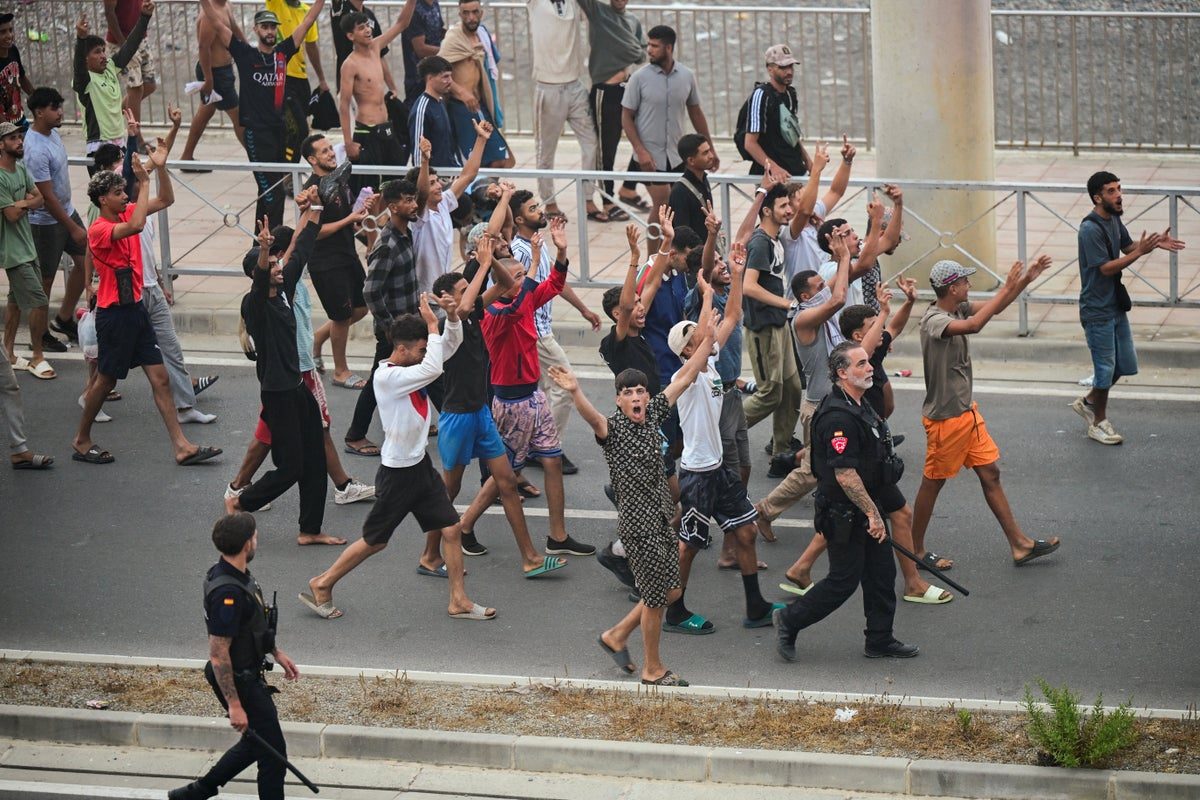
The sudden influx of 60,000 migrants into Spain’s Ceuta enclave has prompted Italy to suspend Schengen border rules, exposing the EU's vulnerability to migration being used as a geopolitical weapon over energy disputes.
Around 60,000 migrants crossed into the Spanish territory of Ceuta from Morocco in just 24 hours, overwhelming border security and leaving at least 57 dead. Spanish troops were deployed to manage the crisis at the EU's only land border with Africa. Authorities ordered the new arrivals to turn back, warning they faced detention and eventual expulsion.
The immediate consequence for European business and mobility is the sudden closure of the passport-free Schengen zone. Italy has suspended its Schengen arrangements with Spain and is reinforcing controls along its land border with France to block any undocumented movement northwards. Such internal border checks disrupt supply chains and trade flows, highlighting how a localized breach instantly paralyzes the principle of free movement.
Western intelligence sources indicate the mass crossing was facilitated by Morocco as a geopolitical lever. The tactic is widely viewed as retaliation against the socialist government of Prime Minister Pedro Sánchez for pursuing natural gas deals with Algeria, Morocco's regional rival. As Europe diversifies its energy supplies away from Russia, these North African gas negotiations carry high stakes, and Rabat has weaponised migration to disrupt them. Morocco used a similar approach in 2021, funnelling 8,000 people into Ceuta during a dispute over the Western Sahara.
For the individuals involved, the crossing offered false hope. Abdulah Buji, a 21-year-old trainee teacher, swam to the enclave only to realise there was no route to mainland Europe. "I've spent perhaps 14 years studying, but there's nothing at home," Buji said. "I just want a chance."
The crisis has also attracted intense, politicised commentary from outside the bloc. The US State Department blamed the Sánchez administration, stating the incident was "the direct result of the Spanish Government’s deliberate efforts to enable and facilitate mass illegal migration into Europe." Donald Trump described the scenes as an "invasion" and a "catastrophe", while US Vice President JD Vance labelled them the product of "radical left-wing globalist policies."
The sheer scale of the crossing has simultaneously become a tool for foreign influence operations. Ukraine’s foreign minister, Andrii Sybiha, accused Russia of running an "intensive propaganda campaign" using footage from Ceuta to destabilise Europe, identifying over 1,500 coordinated publications on pro-Russian networks. The incident demonstrates how border crises rapidly escalate into hybrid warfare and transatlantic political friction.