German economic growth stronger than expected despite Iran war
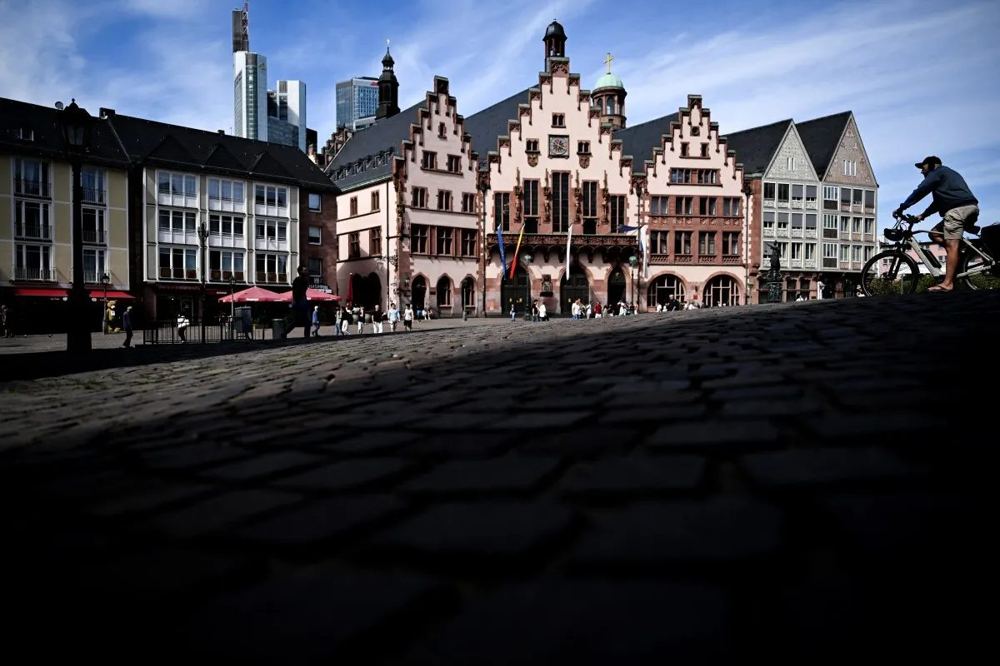
German growth rose faster than previously estimated in the second quarter thanks to strong exports, official data showed Tuesday, as Europe's biggest economy defied the turmoil unleashed by the Iran war.
German growth rose faster than previously estimated in the second quarter thanks to strong exports, official data showed Tuesday, as Europe's biggest economy defied the turmoil unleashed by the Iran war.
Gross domestic product grew 0.3 percent from April to June compared with the first three months of the year, according to revised data from the statistics office Destatis.
"The German economy is maintaining the growth momentum seen at the start of the year", said Destatis's chief Ruth Brand, adding that "growth was primarily driven by the positive development of exports".
The revision to second-quarter growth is another sign that the eurozone's manufacturing powerhouse may be weathering the energy shock unleashed by the United States and Israel's war against Iran better than feared.
Factory output and exports have also been ticking up in recent months despite the fallout from the conflict.
The revised GDP data showed that exports rose two percent in the second quarter from the first, while imports were also up substantially.
Investment fell slightly, dragged down by a hefty fall in the field of machinery and equipment. Spending by both households and governments registered a small increase.
The German economy has stagnated for several years due to high energy costs, growing competition from China and US President Donald Trump's tariffs.
Hopes had been high at the start of the year that it would stage a strong rebound thanks to Chancellor Friedrich Merz's spending blitz on defence and infrastructure.
The outbreak of the Middle East war has dimmed those expectations after the hit to energy-intensive manufacturers, with the government now expecting growth of just 0.5 for 2026 as a whole.