The bootstrapped basement production behind Boston’s 18-million-selling debut album
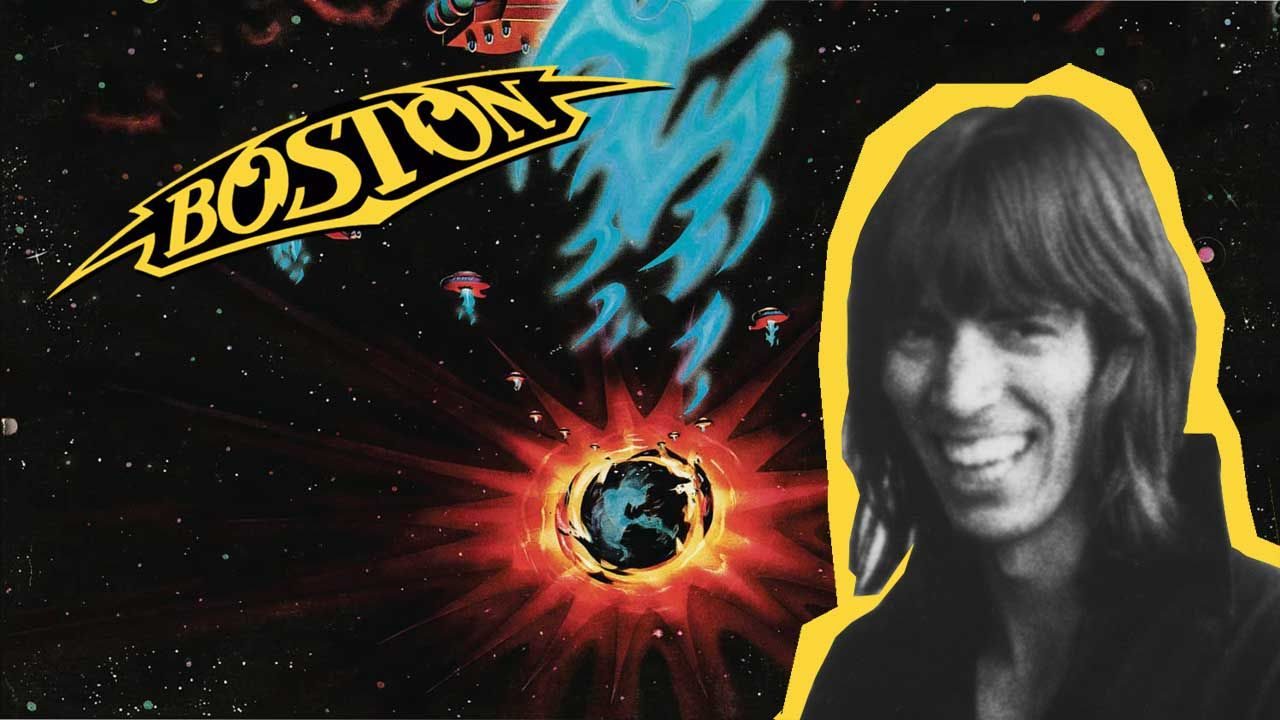
Fifty years after its release, the making of Boston’s debut album remains a masterclass in independent research and development, illustrating how financial constraints and corporate gatekeeping can drive technological self-reliance in the creative industries.
Fifty years after its original release, Boston’s self-titled debut album remains a commercial juggernaut with more than 18 million copies sold. Behind this monumental success lies an unconventional production history that defied the traditional music industry model of the 1970s.
Band mastermind Tom Scholz spent six years funding his own recording experiments, diverting a significant portion of his salary from a job at Polaroid. Facing professional studio costs equivalent to roughly $300 an hour in today’s money, the Massachusetts Institute of Technology graduate chose to build his own recording equipment from discarded parts.
This independent research and development phase yielded a six-song demo featuring early versions of tracks like More Than A Feeling and Peace Of Mind. However, the tape initially faced swift rejection from major labels. An A&R representative at Epic Records returned a terse note stating the band had "absolutely nothing new to offer," highlighting the friction between innovative outsiders and established corporate gatekeepers.
When Epic eventually presented a viable offer, the label demanded the tracks be re-recorded in a professional facility. Scholz, accustomed to the isolation of his basement setup, negotiated a clandestine arrangement with producer John Boylan to maintain his independent workflow.
Under this agreement, Scholz re-recorded all instrumental parts in his basement using the exact same equipment to perfectly duplicate his original demo performances. Only the vocal overdubs by Brad Delp and a single track, Let Me Take You Home Tonight, were recorded in Los Angeles to satisfy the label’s expectations. The only notable personnel shift in the final master was the inclusion of drummer Sib Hashian, replacing Jim Masdea.
This historical case study offers enduring lessons for modern creative economies and startup ventures. It demonstrates how severe capital constraints can accelerate technological self-reliance, allowing creators to bypass traditional infrastructure and build highly scalable products from the ground up.
Scholz’s insistence on exactly duplicating his initial performances made the re-recording process more difficult than the original demo creation. Yet, this rigorous, self-funded approach delivered a meticulously crafted product that permanently altered the commercial landscape of rock music.