UK clears plug-in solar panels for high street sale to reduce energy costs
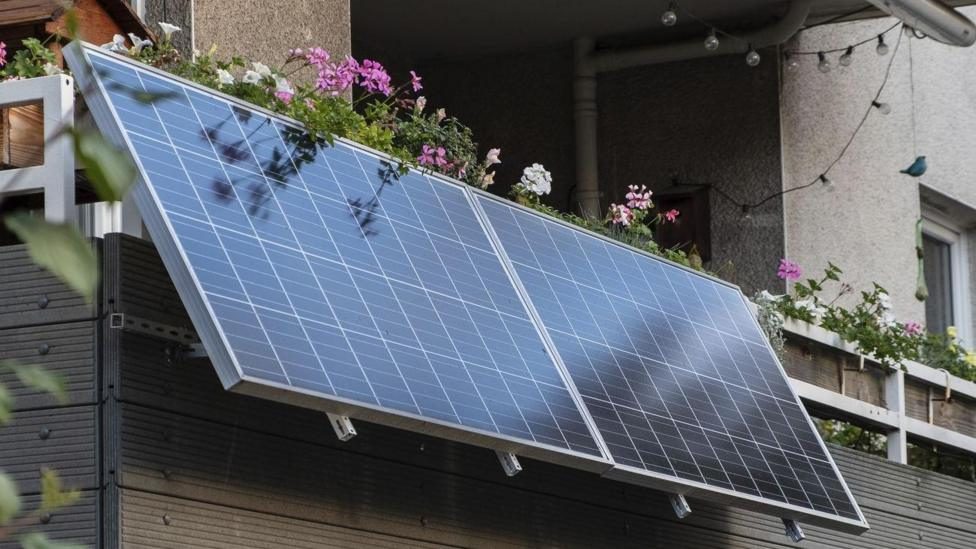
The UK government has legalised the high street sale of plug-in solar panels, a move designed to lower household energy bills and reduce national reliance on volatile overseas fuel markets.
Plug-in solar panels will go on sale at UK high street and DIY retailers from Thursday, including Argos, following a change in government rules. These units cost considerably less than traditional roof installations and can be assembled without hiring a professional electrician.
The policy aims to ease household energy costs while decreasing national dependence on imported fuels, the prices of which have fluctuated amid the Middle East conflict. Ministers anticipate that increased retail competition will drive the cost of a single-panel kit down from its current £699 price to between £400 and £600.
Government research indicates that a typical household could save between £70 and £110 each year on power bills. UK solar company UKSOL notes that a two-panel setup currently retails for £1,089, though exact savings depend on panel orientation and daytime energy consumption.
These plug-in units bypass the Microgeneration Certification Scheme required for standard rooftop arrays. This exclusion also disqualifies them from the Smart Export Guarantee, preventing owners from earning money for surplus power sent to the grid.
For safety purposes, an integrated microinverter caps the maximum power output at 800 watts. British Gas stated that the systems cannot run a house independently but will substantially cut daytime electricity purchases by running baseline appliances like refrigerators.
Legal sale within Great Britain requires the hardware to pass the G98 industry standard alongside government product specifications. Approved models will appear on the Energy Networks Association public register, and their microinverters automatically halt power generation in milliseconds if the grid connection fails.
The charity Electrical Safety First urged consumers to buy directly from established retailers instead of using third-party online marketplace sellers. The organisation also advised buyers to have their wiring inspected by a registered electrician, particularly in older properties, to prevent interactions with outdated safety devices.
Installation involves mounting the hardware and plugging the microinverter into a weatherproof external socket while strictly avoiding extension leads. Homeowners must additionally notify their local Distribution Network Operator within 28 days of connecting the system.