Meta settles US child privacy lawsuit for $18bn and introduces strict teen limits
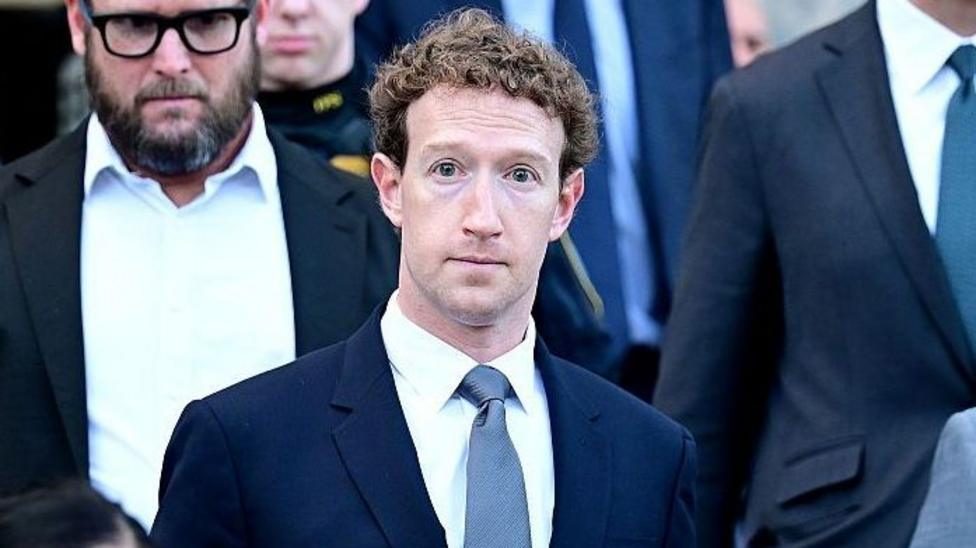
Meta has agreed to an $18bn settlement and strict new usage limits for teenagers to resolve a US child privacy lawsuit, setting a potential global precedent for social media regulation.
Meta has agreed to pay $18bn over ten years to settle a lawsuit brought by 29 US states concerning the historic collection of data from children under 13. The agreement, reached under the nearly 30-year-old Children's Online Privacy Protection Act, concludes a five-day trial just before chief executive Mark Zuckerberg was scheduled to testify.
The settlement protects the company's core advertising business by capping its financial exposure at a fraction of the potential damages. Had the company lost the coordinated legal attack, realistic estimates for fines reached into the hundreds of billions of dollars, while the absolute maximum penalty could have hit $1.4tn, roughly matching its entire market value. The agreement secures the vast revenue generated by its social apps, which remains essential despite the company's stated pivot toward artificial intelligence.
Although Meta admits no wrongdoing, the brief trial exposed significant internal vulnerabilities that investors and regulators will closely monitor. The company has previously showcased more than 60 safety tools on Instagram to journalists in London, yet parents reported being overwhelmed by the oversight required. Furthermore, a whistleblower, former Instagram engineer Arturo Bejar, testified that he previously warned executives about harm to children without triggering action.
To resolve the case, the company is implementing strict new operational barriers for its youngest users across Instagram and Facebook within six months. Known teenage accounts will face a default two-hour daily time limit, with notifications muted during nighttime and school hours, and public like counts entirely hidden.
These operational shifts carry immediate implications for European regulators and global competitors, as the continent already enforces some of the world's strictest digital safety laws. Industry observers expect these US-mandated changes to quickly become the baseline standard in other jurisdictions, forcing rivals like TikTok and Snapchat to adopt similar restrictions. Meta acknowledges that its competitors must also implement comparable measures to ensure a level playing field in a highly competitive sector.
The company argues that the new features will only be effective if the entire industry adopts them, raising questions about whether heavily restricted platforms will retain their younger audiences. As the business faces a broader reckoning over its safety credentials, the ultimate test of this settlement remains uncertain. "At the end of the day, Meta needs to be held accountable for results, not efforts," Bejar said.