New $18M Uluru Trail Replaces Banned Climb With High-Yield Eco-Tourism
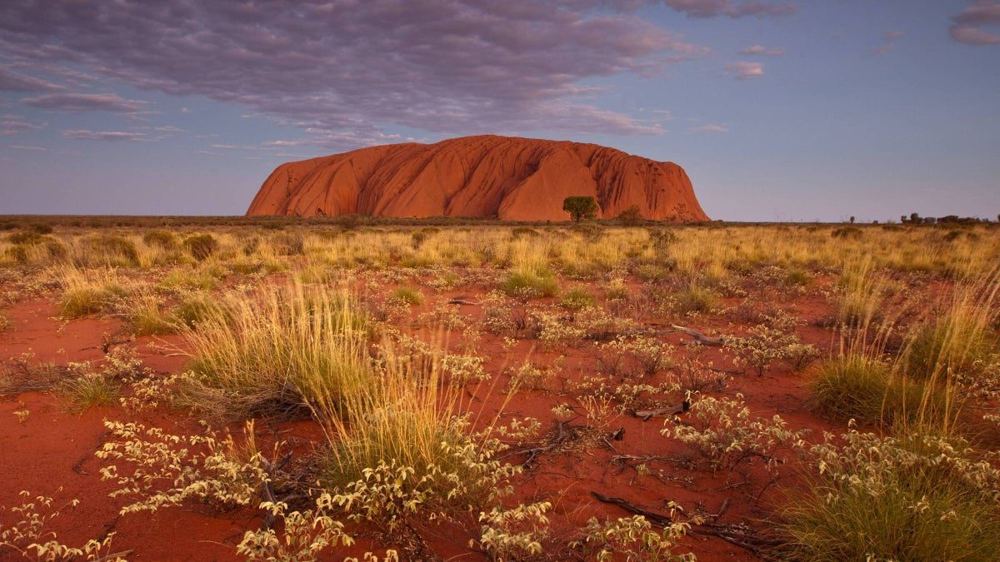
Following the 2019 climbing ban at Uluru, Indigenous owners and the Tasmanian Walking Company have launched an $18 million guided trek that shifts the region's tourism model toward high-yield, culturally sustainable revenue.
The Tasmanian Walking Company has officially opened the Uluru Kakararra Trail, a nearly 40-mile route linking the Uluru and Kata Tjuta rock formations. The $18 million project launches following the 2019 ban on climbing the sacred monolith.
The initiative represents a structural shift in Outback tourism economics. Rather than relying on high-volume, low-yield foot traffic, the business model restricts access to a premium four-night Signature Walk operated exclusively by the company.
This strategy specifically targets high-yield travelers, with the company expecting to draw 2,000 visitors per trekking season between late April and September. Market demand is already robust, as most of the inaugural hikers reserved their spots two years in advance.
Brett Godfrey, co-owner of the Tasmanian Walking Company and former chief executive of Virgin Australia, spearheaded the development. He first approached the Anangu in 2015, initially estimating the trail could be operational within three years.
The project ultimately took a decade and required three times the original budget to complete. A 13-person Anangu steering committee, alongside Parks Australia and the Central Land Council, ensured the route aligned with cultural protocols and long-term economic goals.
Godfrey noted that previous visitors arrived with a different mindset. “Whitefella would come here to conquer the rock,” he said. “I thought, ‘There must be a way that people could connect with the rock instead.’”
Indigenous input was central to the physical development, with 13 Traditional Owners mapping 24 miles of new pathways to avoid culturally sensitive areas. Steering Committee Chair Tapaya Edwards described the trail as a vital step toward a deeper connection with the land.
“This is an important place for healing the spirit,” Edwards said in a statement announcing the route. “People will come here and feel the land as they walk through it.”
The route joins the Great Walks of Australia, a portfolio of 15 multi-day adventures developed in partnership with Tourism Australia. The project illustrates how limiting physical access to natural landmarks can generate premium economic value while respecting Indigenous sovereignty.
Godfrey emphasized the need to redirect domestic tourism toward the interior. “Most Australians don’t even know what’s out here,” he said. “Eighty-seven percent of the population lives within 30 minutes of a beach, so they don’t truly connect with the spiritual heart of our country.”