Hundreds missing after glacial collapse triggers floods in central Nepal
A glacial collapse near the Nepal-Tibet border has unleashed devastating floods and landslides in central Nepal, leaving hundreds of residents and tourists missing while severing critical transport links to Kathmandu.
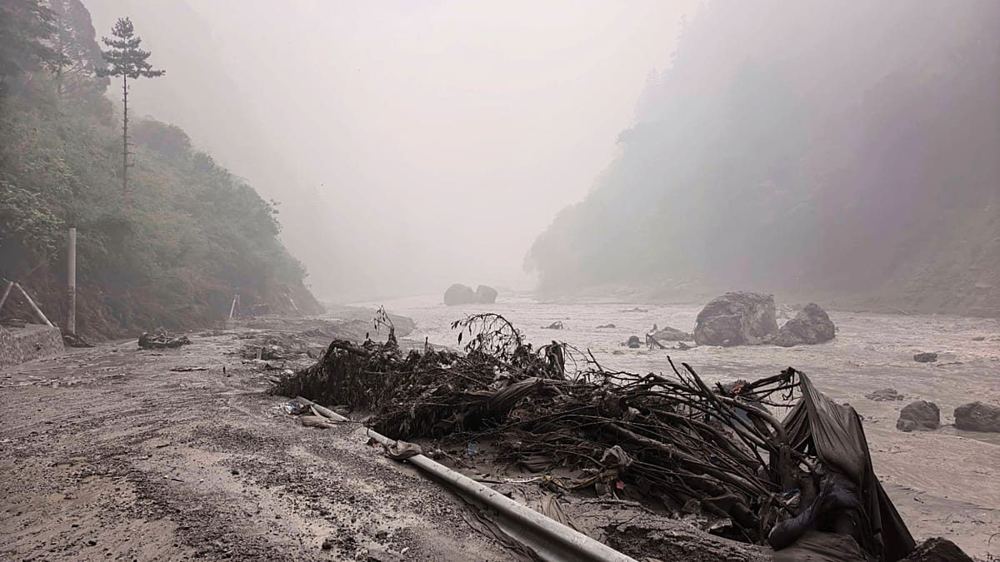
Catastrophic flash floods and landslides swept through central Nepal’s Nuwakot district on 26 August. This widespread destruction follows a major glacial collapse near the Nepal-Tibet border that occurred just a day before. The disaster has left hundreds of residents, tourists, and security personnel unaccounted for as emergency teams battle difficult conditions to locate survivors.
Communities situated along the Trishuli River basin, including Bidur, Devighat, and Trishuli Bazaar, bore the brunt of the torrents of mud and debris. Images emerging from the affected zones reveal buildings partly buried under heavy sediment. Vehicles have been completely submerged in sludge, highlighting the sheer force of the water.
Infrastructure and Rescue Challenges
The destruction of major infrastructure poses a severe challenge to ongoing relief efforts and regional connectivity. Several bridges and key roads linking Nuwakot with neighbouring districts and Kathmandu have been swept away or severely damaged. This physical isolation complicates the delivery of essential supplies and significantly hinders ground-based rescue operations in the hardest-hit zones.
In response to the isolation of affected areas, the Nepal Army has deployed MI-17 helicopters to establish an emergency airlift corridor. This aerial route connects directly to the District Hospital in Trishuli, allowing critically injured survivors to be evacuated efficiently. The helicopters are also actively supporting search-and-rescue teams operating in isolated areas that remain cut off by land.
Authorities warn that the immediate danger has not passed, placing communities along the Trishuli and Narayani rivers on high alert. Unstable debris remaining upstream continues to raise the risk of secondary flooding and additional landslides. Emergency planners are closely monitoring these waterways to prevent further loss of life in vulnerable downstream settlements.
Nuwakot and the neighbouring district of Rasuwa are currently identified as the worst-affected areas in this unfolding crisis. Rescue operations continue across both districts as authorities attempt to locate the hundreds of missing individuals. The significant number of unaccounted tourists underscores the international dimension of the disaster, which has severely disrupted a region vital to Nepal’s broader economy and transit networks.