Selena Gomez faces $1.2m fraud claim over mental health startup governance
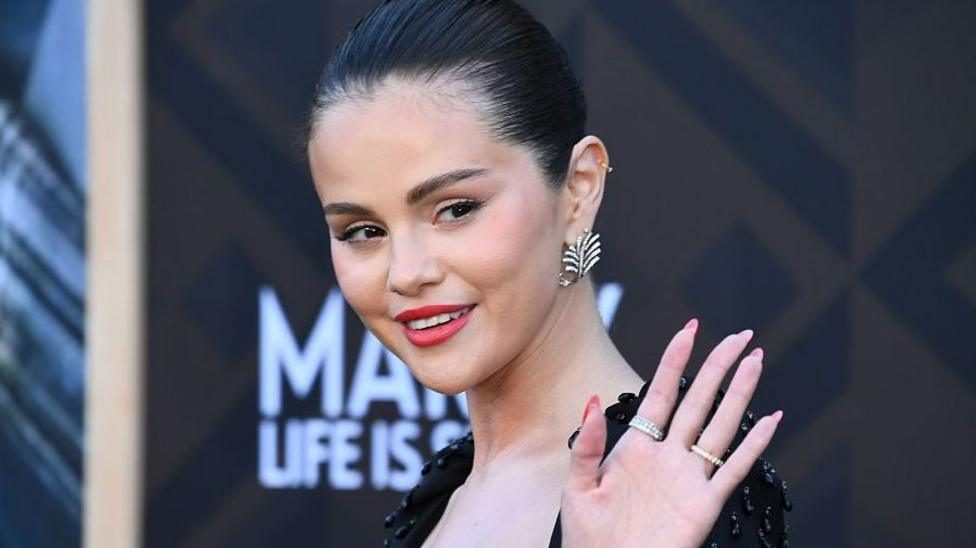
Investors allege the actor failed to fulfil marketing commitments at the platform she co-founded with her mother, highlighting the corporate governance risks of family-run celebrity ventures.
Selena Gomez is facing a lawsuit from five investors who allege she breached her contract and defrauded them of nearly $1.2m. The claimants argue the actor failed to properly back Wondermind, a mental health platform she co-founded with her mother five years ago.
According to the investors, they were led to believe that Gomez would be "actively building the company as its head of marketing", leveraging her massive social media reach. Her attorney, Matthew Rosengart, has moved to have her dismissed from the case, describing the allegations as vague, generalised and contradictory.
Rosengart asserts that Gomez never agreed to manage the company or make the commitments now being suggested by the claimants. He characterises the legal claims against her as threadbare.
This dispute underscores a recurring vulnerability in celebrity-backed startups: the blurring of personal and professional boundaries. While Gomez pushes back, the fraud allegations leave her mother in a precarious position alongside the company itself and a third co-founder.
Lauren Beeching, founder of crisis PR firm Honest London, warns that working with close relatives is almost always a higher-risk approach. She notes that while some family brands succeed, many others struggle when personal trust replaces commercial guardrails.
"It can make the boundaries between the personal relationship with the business and the celebrity's reputation much harder to separate," Beeching observed. She argues that family ventures require more structure, not less, to survive commercial pressures.
Beeching advises founders to define responsibilities, bring in independent oversight, and plan for contingencies before problems arise. "A family relationship shouldn't be a company's governance structure," she said.
For investors evaluating celebrity-endorsed ventures, this case serves as a cautionary tale about due diligence. Relying on a famous name without binding operational commitments can leave capital exposed when promotional expectations are not met.
Despite the legal friction, Beeching suggests the long-term reputational damage to Gomez may be limited. Her core audience is unlikely to be deeply invested in corporate governance disputes, distinguishing temporary negative headlines from lasting brand erosion.
However, the episode offers a sharp reminder for public figures trading on their personal brand. As Beeching noted, creators must consider what a business might eventually do to their reputation, not just what their reputation can do for the business.