Frictionless digital retail and social media fuel shopping addiction in young consumers
A global study reveals seven percent of adults experience shopping addiction driven by frictionless e-commerce and social media, signaling potential consumer debt risks and a looming shift in retail demand.
A global study indicates that seven percent of adults experience shopping addiction, defined as an uncontrollable urge to spend despite financial consequences. Treatment providers and financial institutions report that younger women are particularly susceptible to this behavioral shift.
For the European retail and financial sectors, this trend presents a complex dynamic. While frictionless online shopping and targeted social media advertising drive immediate revenue for e-commerce platforms, they simultaneously cultivate a demographic vulnerable to severe personal debt.
The Ukat Group, which operates addiction treatment centres, notes a rising intake of shopping addiction cases, with ninety percent being women. Similarly, research from challenger bank Vanquis found that Generation Z shoppers make more impulse purchases than any other age group, followed closely by millennials.
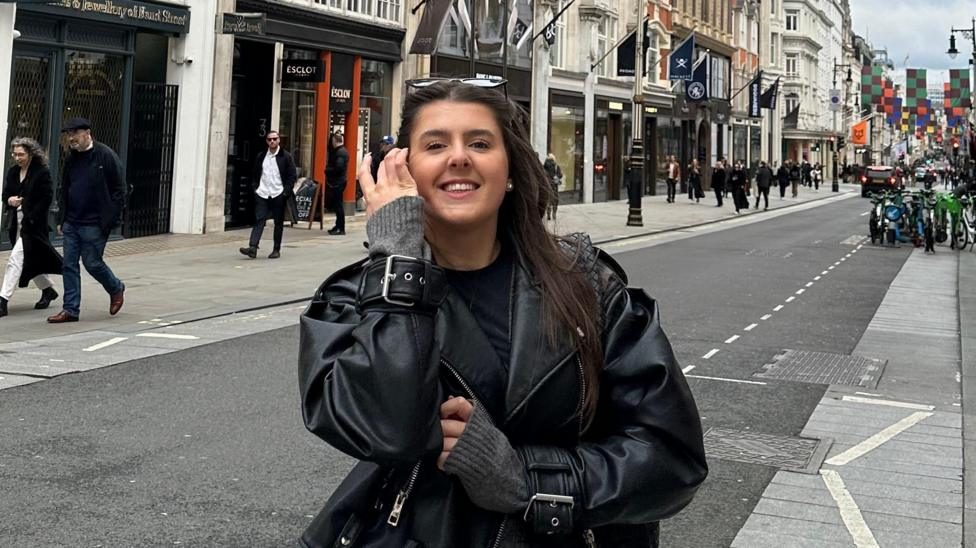
The personal and economic toll is evident in individual cases. Ella Hewitt, a 24-year-old from Liverpool, spent up to £700 a month on fast fashion in 2021 while working as an HR assistant. "I didn't grow up with much money, so when I got a job I would spend my wages as soon as they hit my account," she says.
Hewitt notes that the constant encouragement on social media platforms fueled her habit, preventing her from affording to move out of her family home. She eventually cut her spending by about 60 percent by implementing strict diversionary tactics, such as waiting 30 days before purchasing. "If I still wanted it, I would buy it, but more often than not I'd find the urge had gone," she says.
Dish Patel, a 23-year-old financial planner from London, maxed out a £2,500 student overdraft on trending clothes and skincare. She deleted applications from retailers like Asos and Pretty Little Thing, removing one-click payment options to break the cycle. "The feeling you get when you open your new parcels is always amazing until the dopamine hit dies down and the cycle repeats," Patel says.
Charities and experts point to the structural design of digital marketplaces as a primary catalyst. Money and Mental Health argues that online sites minimize the friction of spending through aggressive pop-ups and alternative payment methods like Buy Now Pay Later. The BBC has contacted Meta, which owns Instagram, as well as TikTok and Asos for comment on these practices.
As consumers adopt stricter budgeting and shift toward ethical brands, traditional fast fashion retailers may face changing demand patterns. Hewitt now plans to launch her own clothing brand, reflecting a broader market pivot. The economic implication is a consumer base increasingly aware of the psychological costs of digital retail, potentially forcing companies to adapt their engagement strategies.