Pizza robot failures signal broader challenges for food automation investors
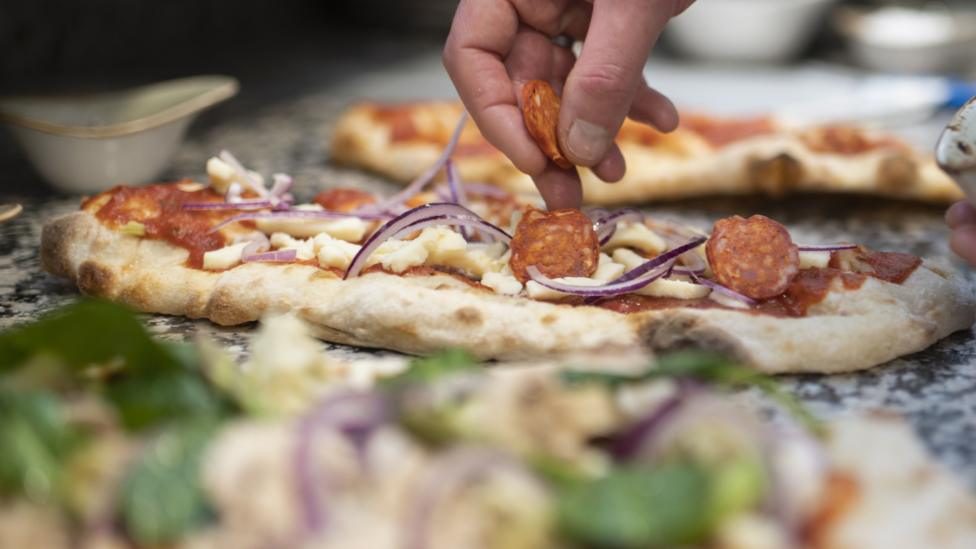
The collapse of several automated pizza-making startups highlights the persistent technical and economic hurdles facing food robotics, forcing investors and hospitality groups to rethink automation strategies.
The sudden shutdown of robotics supplier Picnic in May left Moto Pizza chief executive Lee Kindell with $160,000 (£118,000) in unusable machinery, prompting him to state, "I don't know if I want to do a partnership again because of the failures." This collapse adds to a growing list of defunct food automation ventures, including Zume, Pazzi, and Basil Street, signaling deep structural challenges for the sector.
For investors and restaurant groups evaluating automation, the track record suggests significant execution risks. Bank of America senior restaurants analyst Sara Senatore, whose employer holds financial interests in chains including Papa Johns and Domino's, notes that the sector has failed to deliver on early commercial promises because machines often struggle with basic tasks.
The economic calculus is further complicated by the efficiency of human labor and the rising consumer demand for personal service. Senatore warns that removing staff entirely is a risky proposition that can frustrate customers when machines malfunction, a reality that protects entry-level hospitality jobs from immediate wholesale replacement.
Despite these setbacks, capital and intellectual property continue to circulate within the food-tech market as companies attempt to salvage viable technology. California-based Miso Robotics recently acquired more than 300 patents from the defunct Zume to expand its existing French fry-cooking robot, Flippy. Chief executive Rich Hull attributes previous industry failures to premature timing, stating, "I just think they were a beat too early in the market."
Engineers are simultaneously pushing the boundaries of speed to target high-volume chain markets. Canadian firm Appetronix, which operates a unit for Donatos at an Ohio airport, is testing lasers and ultrasound to achieve a target output of one pizza per minute. Co-founder Nipun Sharma explains the strategy for chain dining: "You want the pizza to taste the same every single time."
The industry is effectively splitting into two distinct tiers based on the value of human interaction. While Paulie Gee’s owner Paul Giannone maintains that his shops prioritize "personal customer service," entrepreneurs like Kindell are developing next-generation machines. Kindell insists that a fully autonomous device is inevitable, stating, "There is no doubt in my mind that there will be a fully autonomous pizza robot."