Ukraine intercepts massive Russian strike as Moscow scrambles for foreign fuel
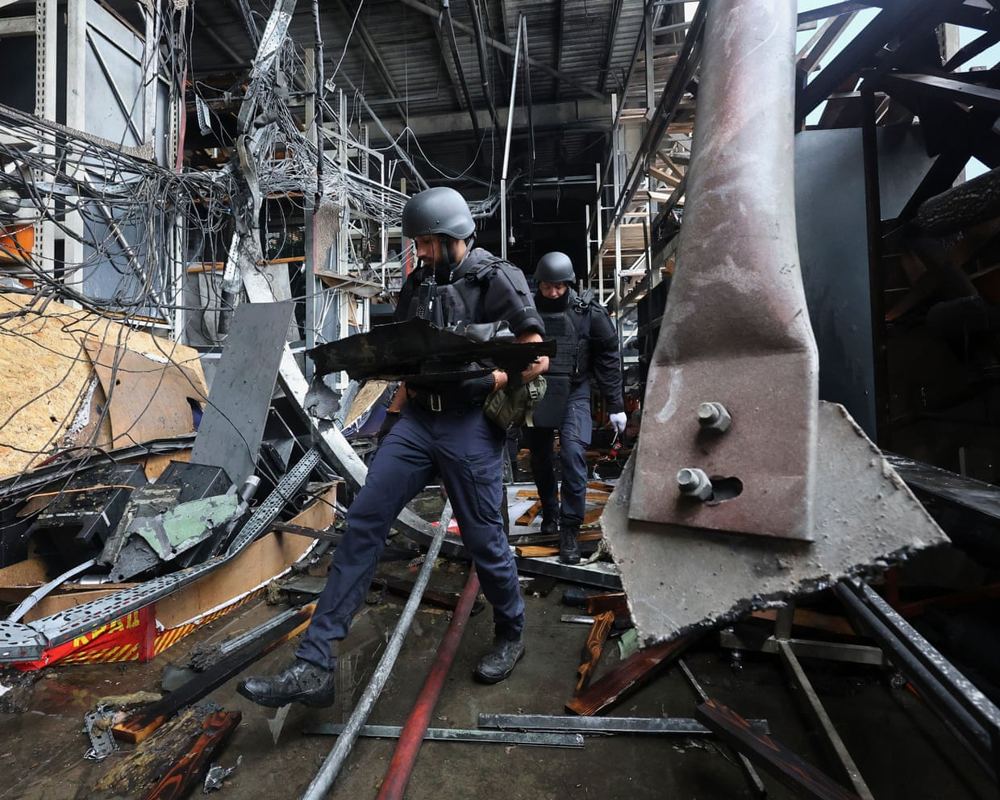
A massive overnight Russian missile and drone barrage has devastated Ukrainian infrastructure, underscoring the conflict's expanding economic and security footprint across Europe as Moscow faces severe domestic fuel shortages.
Ukraine’s military intercepted seven ballistic missiles and 258 drones during a prolonged Russian assault that stretched from Wednesday night into Thursday. Foreign minister Andrii Sybiha said the barrage targeted ports, grain storage, energy grids and industrial sites in regions including Poltava and Odesa.
The strikes crippled a thermal power plant in Kherson, stripping it of all generating capacity and prompting regional governor Oleksandr Prokudin to urge residents to evacuate. In the capital, commuters faced active air defences as strikes destroyed a warehouse belonging to chocolate maker Roshen and hit retail distribution hubs. Regional governor Oleh Syniehubov reported that a separate lunchtime attack on a Kharkiv shopping centre killed one person and injured two others.
The violence also breached the borders of neighbouring European states. Six Russian drones violated Moldovan airspace, prompting President Maia Sandu to condemn the intimidation, while prosecutors in eastern Slovakia foiled a planned arson attack on the Skyeton drone factory.
Three suspects were detained in connection with the Slovak plot, including a Latvian national arrested in Hamburg who is now facing extradition. The drone manufacturer, founded in Ukraine, produces equipment for both civilian and military applications. Meanwhile, the conflict's violent spillover continued inside Russia, where a car bomb killed a Russian serviceman in St Petersburg and injured his wife.
On the economic front, Ukrainian strikes on petroleum infrastructure have forced Russia into a desperate scramble for foreign fuel. For the first time, Moscow purchased 200,000 barrels of gasoline from Turkey this week, adding to one million barrels imported from India over the summer.
Russia also signed a deal with Kazakhstan’s Kondensat refinery to process crude, with 70 per cent of the output returning by rail. Furthermore, fuel imports from Belarus increased by a factor of 141 in June compared to the same period last year, highlighting the severe damage to domestic refining capacity.
In Brussels, the Netherlands, Poland, Spain and Sweden are pushing the European Union to utilise roughly €200bn in frozen Russian central bank assets to finance Kyiv. The four nations argue it is time to overcome legal objections, primarily from Belgium, which fears liability.
The bloc previously failed to tap the immobilised funds and instead provided a €90bn loan to Ukraine. Revisiting the asset seizure would significantly alter the financial burden of the war on European taxpayers and provide a massive new revenue stream for Kyiv.