China humanoid robot showcase highlights rapid hardware gains but persistent AI limits
The World Humanoid Robot Games in Beijing demonstrated China's hardware manufacturing dominance, yet industry leaders warn that artificial intelligence limitations will delay mass commercial deployment and complicate the global technology race.
The World Humanoid Robot Games in Beijing concluded this week, showcasing over 2,000 machines from more than 660 tech companies. The five-day event highlighted staggering improvements in robotic speed and strength, alongside frequent mechanical failures.
For European investors and technology policymakers, the showcase underscores a critical divergence in global robotics development. China has secured a dominant position in hardware manufacturing, producing an estimated 12,800 humanoids last year, representing roughly 90 percent of the global total.
Thrishantha Nanayakkara, a professor of robotics at Imperial College London, noted this rapid hardware evolution. He observed that the progress made since last year is staggering, predicting a vastly different technological landscape by 2030.
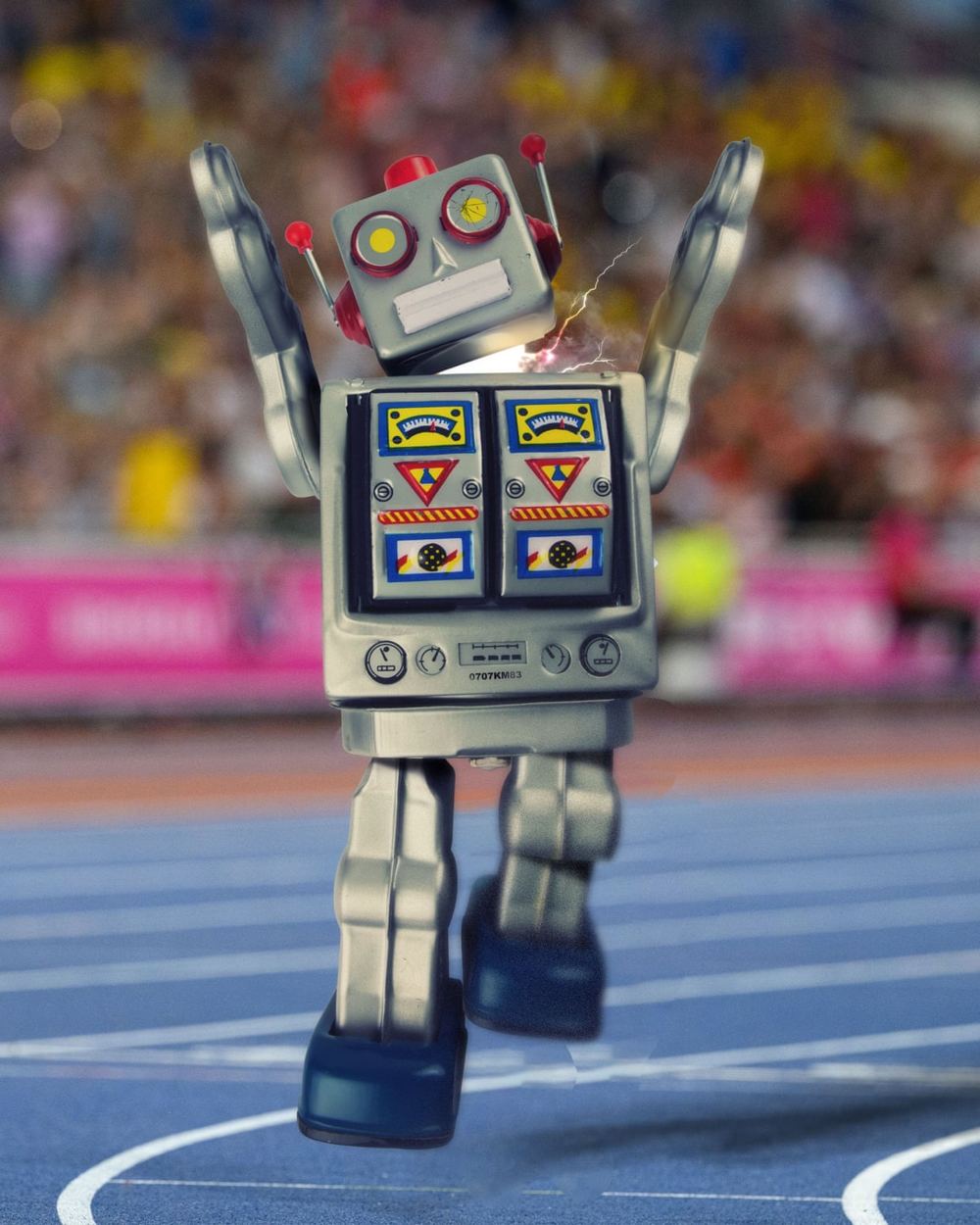
However, the event also exposed severe limitations in artificial intelligence decision-making. Robots excelled in specialised tasks, such as the Tiangong Ultra sprinter completing the 100-metre dash faster than Usain Bolt, but frequently crashed or failed at complex, generalist challenges.
Wang Xingxing, founder of leading Chinese robotics firm Unitree, warned that a mainstream breakthrough remains distant. He stated that humanoids are not yet capable enough for mass deployment, citing AI model limitations as the industry’s biggest bottleneck.
This reality is already reflecting in financial markets. Unitree’s share price has oscillated wildly since its Shanghai listing earlier this month, mirroring broader investor uncertainty over the commercial viability of current humanoid technology.
The Beijing games served as a strategic display ahead of Chinese President Xi Jinping’s upcoming summit with US President Donald Trump in Washington. This follows recent US bans on imports of Chinese humanoids and robotic dogs over national security concerns.
Ingo Keller, head of robotics at the National Robotarium in Edinburgh, cautioned against overestimating the immediate commercial impact. He noted that while the execution speed is incredible, the event does not necessarily move the goalpost for practical humanoid utilisation.
Georg Stieler, a consultant advising multinational companies, reported that Chinese firms privately complain about a lack of funding for long-term commercial pilot projects. He emphasised that creating viral stunts is far easier than developing robots capable of performing genuinely useful factory work.
As China pushes to address domestic labour shortages and military ambitions through its latest five-year plan, the hardware is clearly advancing. Yet, until the software catches up, the global race for functional, general-purpose humanoid robots remains far from the finish line.