Icelanders vote in tight referendum on reopening EU membership negotiations
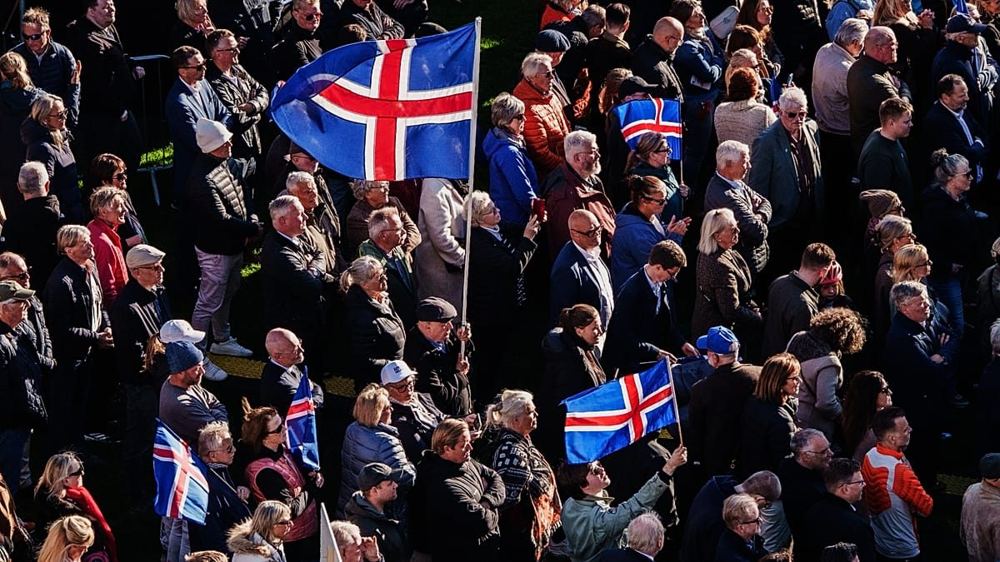
Icelandic voters are deciding whether to reopen European Union accession talks in a closely contested referendum that could signal renewed enlargement momentum for the bloc a decade after Brexit.
Icelandic voters head to the polls today to decide whether to resume negotiations for European Union membership. Polling stations remain open until 10pm local time, with initial results expected in the early hours of Sunday morning.
The outcome carries weight far beyond the island nation’s population of just under 400,000. A decision to re-engage with Brussels would provide a rare boost to the European project’s enlargement momentum, particularly as wealthier Nordic neighbours like Norway observe the proceedings closely.
The race remains exceptionally tight. The latest survey by market research firm Maskína showed 50.4 percent of respondents intending to vote yes, narrowly edging out the 49.6 percent planning to vote no.
Voter engagement appears robust. More than 40,000 citizens, representing nearly 15 percent of the electorate, cast early ballots by Wednesday. Public broadcaster RÚV noted that Reykjavik turnout reached just over 8 percent by 11am Saturday, surpassing the 5 percent recorded at the same time in the 2024 parliamentary elections.
Iceland originally applied to join the bloc in 2009 following its severe financial crisis. However, a Eurosceptic government elected in 2013 suspended the accession process and formally withdrew the candidacy in 2015.
The current vote was triggered by a pro-EU coalition that secured power in the 2024 election on a pledge to revisit the question. A yes result would not automatically bind Iceland to the union, but would mandate the reopening of accession talks.
Any eventual membership agreement would still require a separate, binding referendum. Nevertheless, an advisory yes vote would place immediate political pressure on Reykjavik to advance discussions with European institutions.
For European markets and investors, the referendum serves as a barometer for the bloc’s broader economic appeal. Reintegrating a stable, wealthy Nordic economy would demonstrate that the union retains its gravitational pull a decade after the UK’s departure.