Lionel Messi retires from international football amid Argentine institutional turmoil
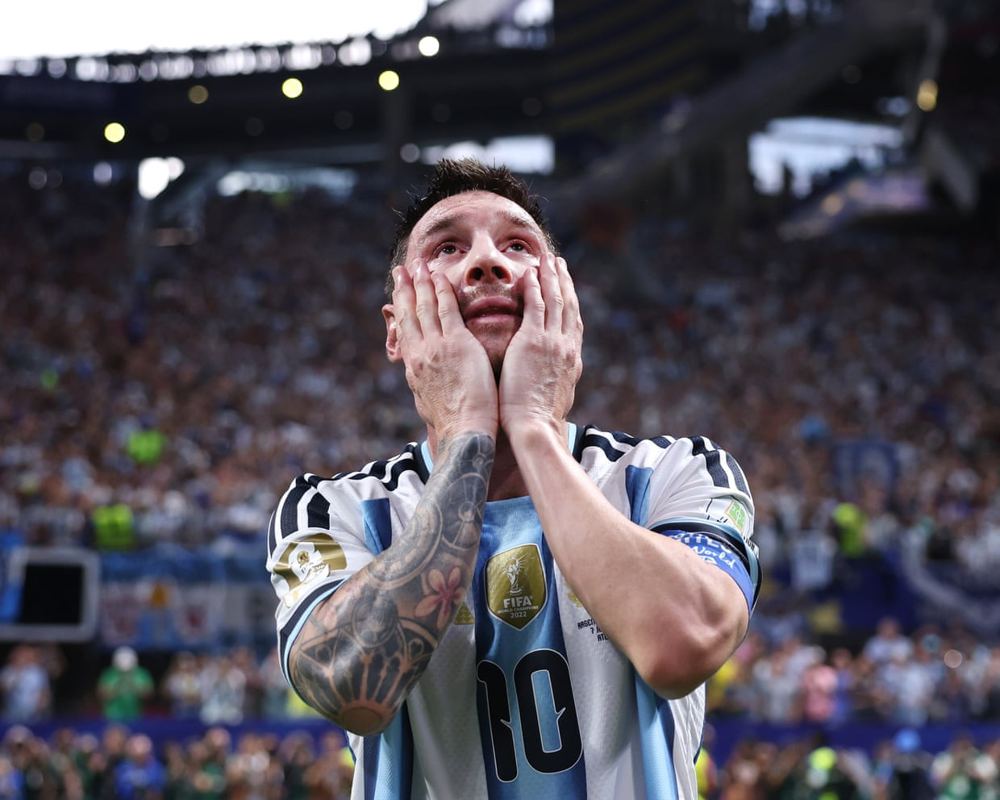
The 39-year-old’s departure from the national squad leaves Argentine football facing fixture uncertainties and governance scandals, even as his club career continues.
Lionel Messi has announced his retirement from international football, formally ending his career with the Argentine national team. The 39-year-old confirmed the decision on Instagram with a handwritten letter, stating he has nothing left to give to the country.
His departure arrives at a fragile moment for Argentine football governance. The national association is currently navigating internal scandals and lobbying pressure to privatise historically non-profit clubs. Furthermore, the country faces hefty fines and suspensions stemming from incidents during the recent World Cup.
Commercial and governance impact
This exit will directly impact the sport’s immediate logistical and commercial landscape. With two international dates approaching and no rival yet agreed, the absence of the squad's most prominent figure complicates fixture negotiations and potential broadcast valuations for the federation.
Messi revealed the letter was drafted two days after the World Cup final against Spain in New Jersey, but his father’s recent death solidified the choice. He noted the decision "hurt and continues to hurt," having replaced an initial "I think" with "I understand" in the note.
Despite stepping away from international duty, Messi’s athletic and commercial value remains intact at the club level. He recently scored four goals for Inter Miami, underscoring that his retirement is strictly a national team departure rather than an end to his playing career.
The announcement triggered widespread emotional responses across Argentina. Teammates like Cristian Romero and Giovani Lo Celso expressed deep admiration, while citizens gathered around a public telephone in Buenos Aires to leave spontaneous messages. Cultural commentators have framed the handwritten farewell as a rare, countercultural act in modern sports communication.
Writer Andrés Burgo noted that either Messi or Diego Maradona featured in 10 of the past 12 World Cups, marking the end of a 45-year era. For global football markets, this transition leaves a national programme balancing profound public gratitude against severe institutional headwinds.
The emotional weight of the transition was evident immediately following the World Cup final, when head coach Lionel Scaloni wept openly at his press conference. This collective mourning reflects a society processing the end of an unprecedented era of sporting dominance, even as the federation confronts its operational realities.