Burnham has a clear vision for Britain, but not for how it fits into a troubled world | Rafael Behr
The Labour leader has set out his plans with passion and ambition, but the story he tells lacks a vital chapter on managing global chaos Andy Burnham is at home at Labour conference , and not only because it is in Liverpool and he has Merseyside roots. The prime minister is native to his political tribe wherever it gathers. He is fluent in its sentimental vocabulary and indigenous to its folk traditions. Keir Starmer had solid Labour bona fides. He joined the party as a teenager. His parents named him after Keir Hardie. But he didn’t have Burnham’s knack for turning those red-team credentials
The Labour leader has set out his plans with passion and ambition, but the story he tells lacks a vital chapter on managing global chaos
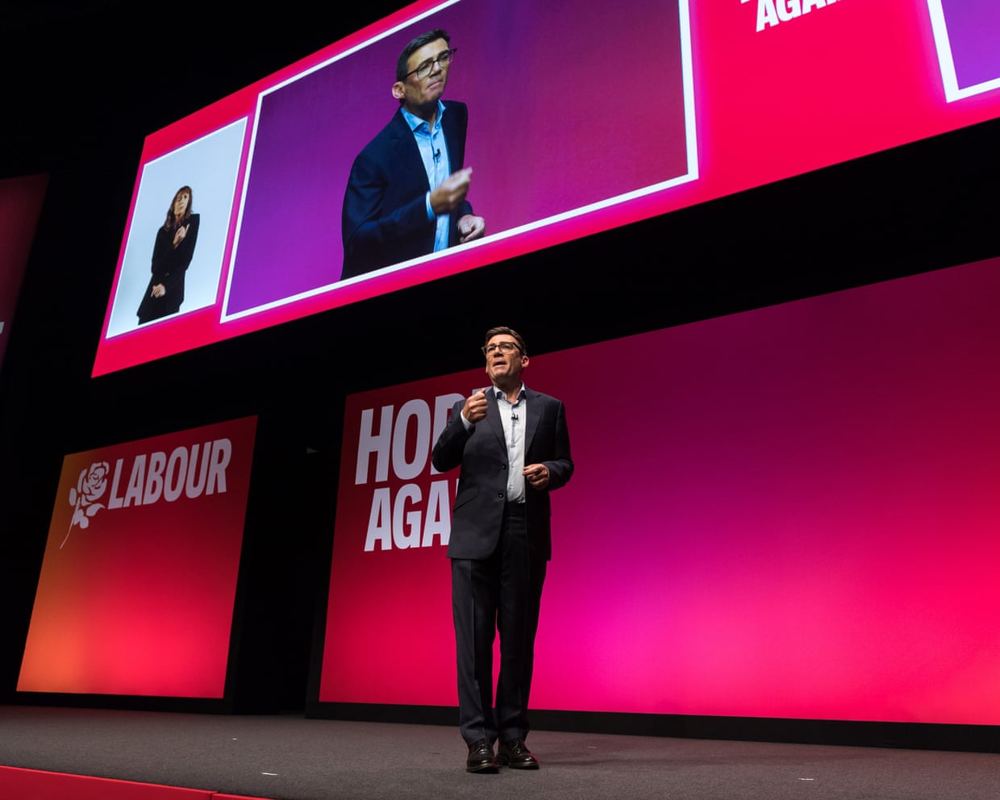
A ndy Burnham is at home at Labour conference , and not only because it is in Liverpool and he has Merseyside roots. The prime minister is native to his political tribe wherever it gathers. He is fluent in its sentimental vocabulary and indigenous to its folk traditions.
Keir Starmer had solid Labour bona fides. He joined the party as a teenager. His parents named him after Keir Hardie. But he didn’t have Burnham’s knack for turning those red-team credentials into an emotional connection.
Starmer liked to remind Labour that it had been unelectable when he took over and that the changes he enforced brought victory for the first time in a generation. It was true. But there’s a limit to the gratitude available to a leader who tells party members that their ideological instincts are the enemy of success. Tony Blair managed it for a decade because he kept winning. Starmer blew his credit almost immediately because he turned out not to have any instincts at all, or none that could set a coherent direction in government.
No one says that of Burnham. In the buildup to conference, ministers found it unnerving to have a leader who mused aloud on all kinds of things that might or might not be official policy, allowing beer back on to football terraces , for example, or a national care service free at the point of use.
But mostly it is refreshing to have a prime minister with clear priorities and a gift for narrating them, who tells a story about the country Britain could be and why only Labour could make it that way. It is energising for the party to be told they do not have to sneak up on power; that victory might be achieved without the submersion of ideological impulse.
In the preamble to his speech in Liverpool , Burnham warned of discomforting candour to follow. Most of what he then said came as a blessed relief to the faithful. It was an argument for social democracy rooted in the view that Britain took a disastrous wrong turn in the 1980s; that the ideological impetus of Thatcherism was socially atomising and economically disempowering. The party has wanted to hear that judgment delivered by a serving prime minister, without caveat and with a commitment to throwing the gears of privatisation into reverse, for a long time.
It was an argument for collective prosperity seeded by collective contributions made from a spirit of collective solidarity. Party lore counsels against fighting elections on such an unsqueamish left prospectus. Burnham is betting that he brings something special, a charismatic sway, that will break the curse.
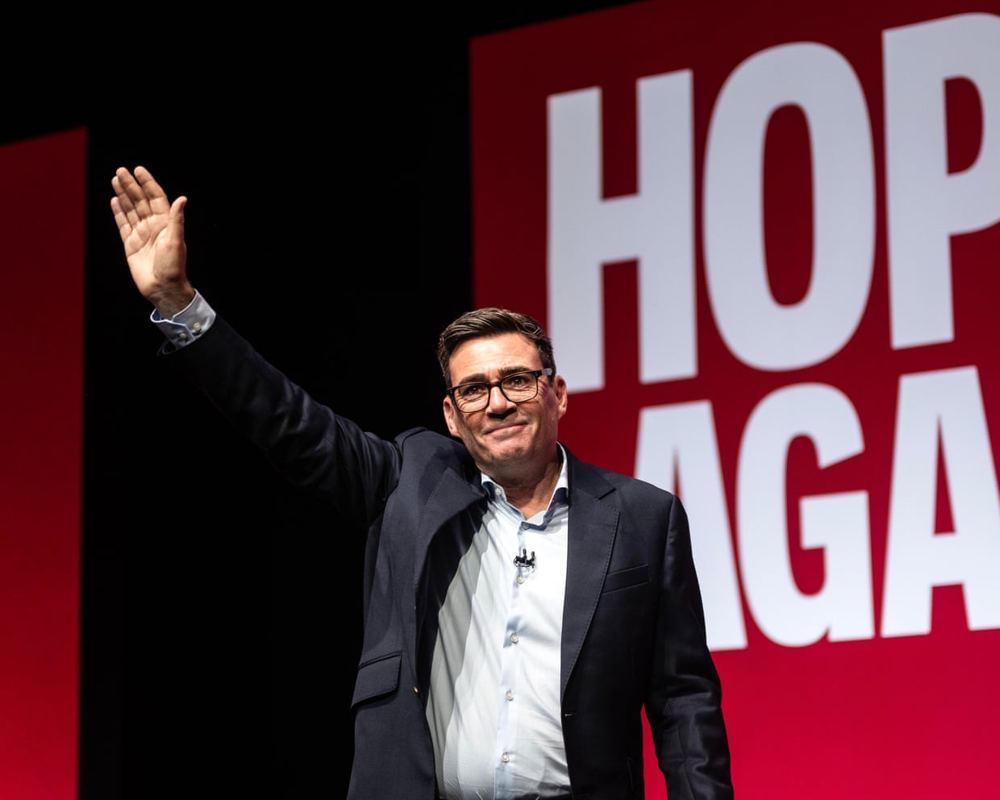
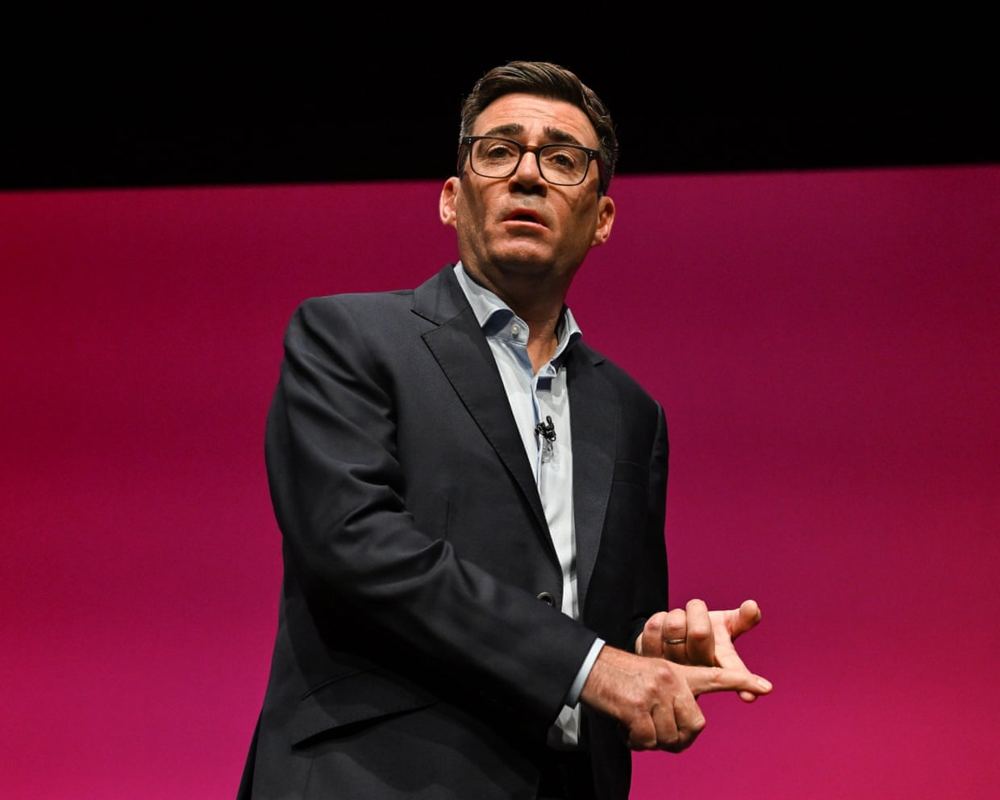
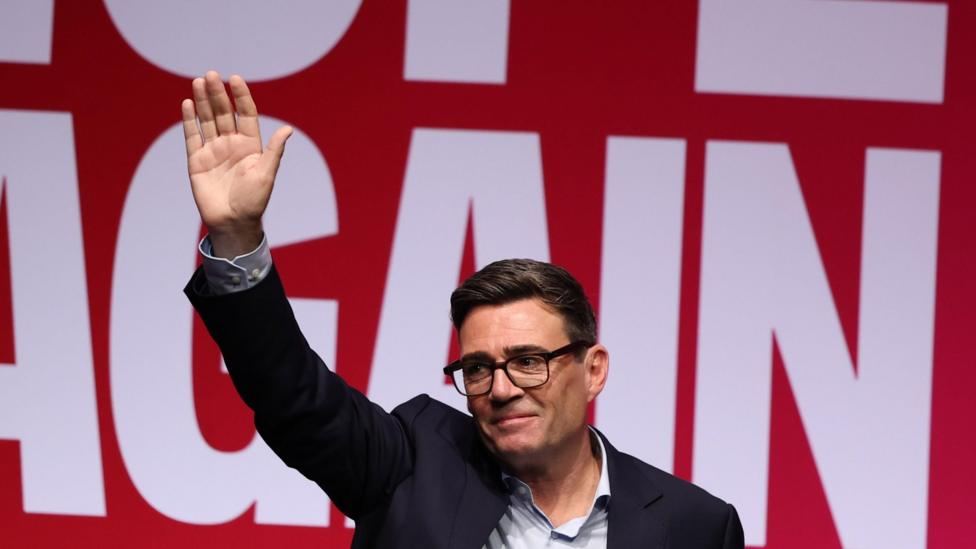
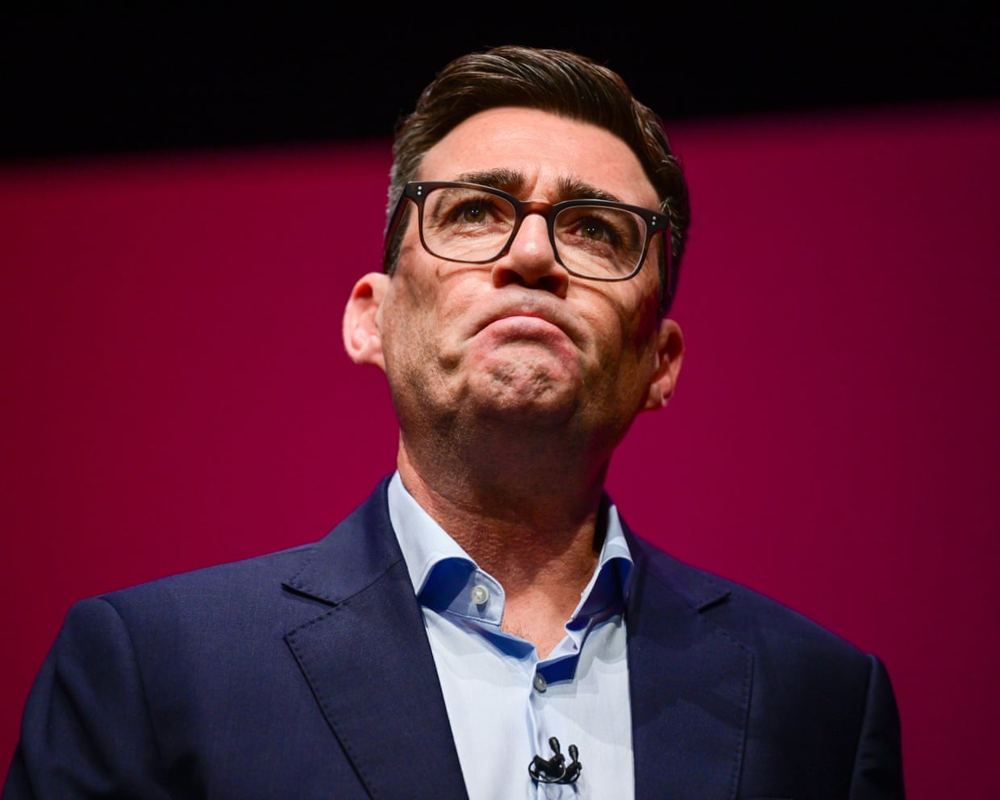
There was a marked difference between this Burnham, open-collared, emotional , ardent, playing to his home crowd, and the one who looked nervous, face clenched with concentration, in a televised encounter with Donald Trump in New York last week. The first bilateral meeting with the US president was a tricky away game. Trump can be friendly but also ungracious and vindictive.
The prime minister came away largely unscathed. He had to endure a rebuke over British plans to transfer the Chagos Islands to Mauritius, but transatlantic relations were declared better than they had been under Starmer. Trump declared that the new guy “gets it” and “understands what he has to do”.
That is an ambiguous formula. It could imply appreciation for Burnham’s own agenda. It could also be a boss’s recognition that tribute has been received from a subordinate, and orders given.
The complexity of Trump-handling is an aspect of the job Burnham may not fully have grasped before entering No 10. The imbalance of power is obvious from the outside, but the way it operates through the machinery of national security, the finer points of technical dependency, are conveyed in classified briefings that an incoming prime minister gets from his military and intelligence officials.
That knowledge makes a compelling case for cosiness with whoever sits in the Oval Office. It was an easier task when US presidents honoured treaties and respected democratic allies. It is time-consuming to navigate around one who prefers corrupt despots.
That is one reason why so much of Starmer’s energy in office was consumed by foreign affairs, although he developed a dependency on international travel. The analgesic of summit protocol soothed an ego bruised by failure at home.
Burnham is determined not to get sidetracked in the same way. He is happy for Ed Miliband to be a globe-trotting foreign secretary so he can be a stay-at-home prime minister. There were only glancing references to the rest of the world in his speech: a friendly nod to Ukraine, a stern eye on Russia and Iran. No mention of Trump.
There is logic to this domestic focus. Voters want to feel that the government is applying itself to their immediate problems, which tend not to be expressed in geopolitical terms. The promised change needs to materialise in people’s pockets. The improvement has to be visible on their high streets. Burnham can’t afford to lose that focus.
The problem is that remote global issues have a way of showing up as bread-and-butter political grievances very quickly. A war in the Middle East causes a spike in oil prices and a bottleneck in supply chains, which feeds inflation. British voters might not care who controls the strait of Hormuz. They care that their wages are gobbled by gas bills and that they won’t be able to afford their mortgage if interest rates go up. They might not monitor the yield on 10-year US Treasury bills or understand the circular debt pump that keeps the AI boom aerated. They’ll hear the blast when the bubble bursts and feel bond-market shock waves if they rip through John Healey’s first budget.
The contagion mechanism of global interdependency is nothing new. But there is a new strain of chaos and a malign super-spreader in Trump. And Britain is uniquely vulnerable in the strategic no man’s land of Brexit, reliant on the European single market for trade, hardwired to the Pentagon for security, trying to claw back all the international influence that was surrendered in Brussels for the fiction of unencumbered sovereignty.
Burnham understands this. He said in his speech that the Brexit promise to “take back control” had delivered the opposite. He said he would set out options for the long-term future of EU-UK relations later in the year. That may not sound dramatic, but is ambitious enough given that he still has to complete negotiations on the fairly modest deal to “reset” relations that he inherited from Starmer.
It is revealing that the clarity of Burnham’s ambition, the lucid lines of his vision, get blurred when the subject ranges overseas. The prime minister has a bold plan, but one that relies on global forces of chaos affording Britain some breathing space. He was passionate and compelling when making his arguments, but it was the performance of a player who is comfortable on home ground, in the national league. Some of the toughest challenges he faces are international fixtures.