Record Italy heatwave triggers blackouts as red alerts hit 18 cities
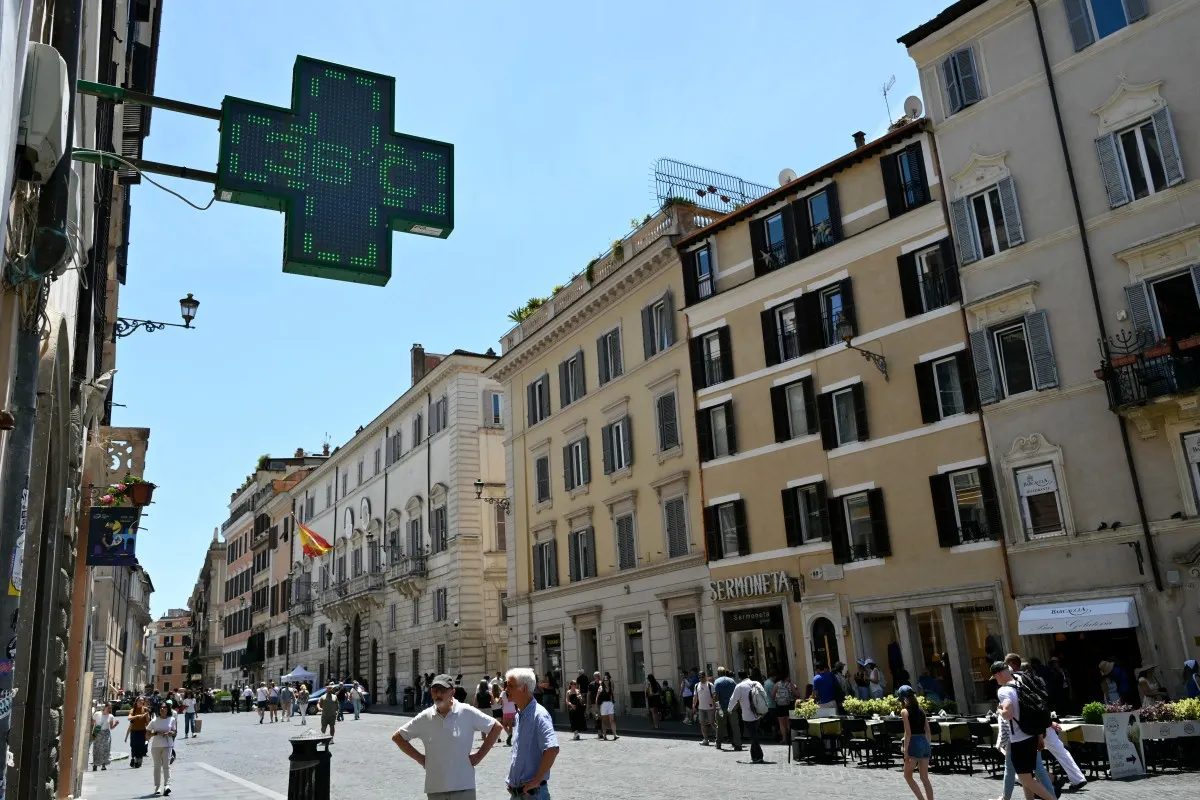
Italy's longest heatwave on record is exposing critical infrastructure vulnerabilities, triggering power blackouts, forcing the closure of the Uffizi gallery, and pushing emergency services to their limits.
Seventeen Italian cities were placed under maximum red heat alerts on Thursday, a figure set to rise to 18 on Friday when Genoa is upgraded. The health ministry's highest warning level indicates conditions dangerous to the general population across major economic hubs including Milan, Rome, Turin, Bologna, and Florence. Temperatures are forecast to approach 40°C this weekend, marking the peak of a weather event that is severely testing the nation's infrastructure.
Weather centres across central and northern Italy have logged temperatures above 35°C for six consecutive days. Florence’s Peretola station recorded six straight days above 36°C, breaking a record in over 70 years of observation. “We have never recorded one this long,” said Bernardo Gozzini, director of the Lamma meteorological research centre in Tuscany. Forecasters expect the heatwave to persist until around July 2nd.
For Italy's economy and public services, the prolonged heat is proving highly disruptive. Surging energy demand overwhelmed the power grid on Wednesday, triggering blackouts in Naples, Milan, Turin, Pescara, and Teramo. The vital tourism sector also took a direct hit when the Uffizi gallery in Florence suspended ticket sales after extreme temperatures crippled its air conditioning systems, leaving long queues outside. Management expects ticket limitations to last until at least Monday.
The strain on healthcare is stark. Emergency department admissions rose by an average of 15 percent across the country on Wednesday, alongside five reported heat-related deaths. Agricultural operations are also feeling the impact; one victim was a 61-year-old man found collapsed among vines in the Piacenza province.
The crisis has highlighted a lack of climate adaptation in state institutions. Students taking the Maturità school-leaving exams suffered through deteriorating conditions, leading Attilio Fratta, president of the national school principals’ association, to tell Ansa that the environment in many schools was “unsustainable”. He urged an immediate plan to equip buildings with air conditioning. In response, health minister Orazio Schillaci convened an emergency meeting on Thursday, telling Ansa: “We must protect the most vulnerable people, the elderly and children.”