Swedish politicians silent on AI as economic risks mount
Sweden's top politicians are avoiding the subject of artificial intelligence at the Almedalen festival, leaving businesses without a clear strategy to handle massive energy demands and the threat of US tech dominance.
Artificial intelligence dominated this year's Almedalen political week in Visby, accounting for one in ten events, yet the country's top political leaders largely refused to address it. During the latest parliamentary debate between party leaders, most mentioned the technology only in passing, if at all. This silence comes as AI rapidly reshapes the global economy.
The economic stakes are immense for Europe. Analysts warn the technology could eliminate 300 million jobs worldwide while driving a massive surge in electricity demand from data centres. Furthermore, the AI boom has concentrated enormous economic power in a handful of American companies, a shift the European Union currently lacks the leverage to control.
While civil society and Swedish companies are actively grappling with these disruptions, politicians are retreating to familiar topics. Business leaders at the festival debated how to secure the electricity needed for AI, its implications for national security, and the risk of election disinformation. The government, meanwhile, announced a direct majority stake in a company building three small modular reactors—Sweden's first new nuclear reactors in 50 years—but politicians have not clearly linked this energy expansion to AI demands.
Centre Party leader Elisabeth Thand Ringqvist was the sole party leader to place AI at the forefront of her agenda. She acknowledged that while AI could reduce emissions, it would also require more energy. However, she offered no concrete solutions for generating that power or mitigating potential job losses.
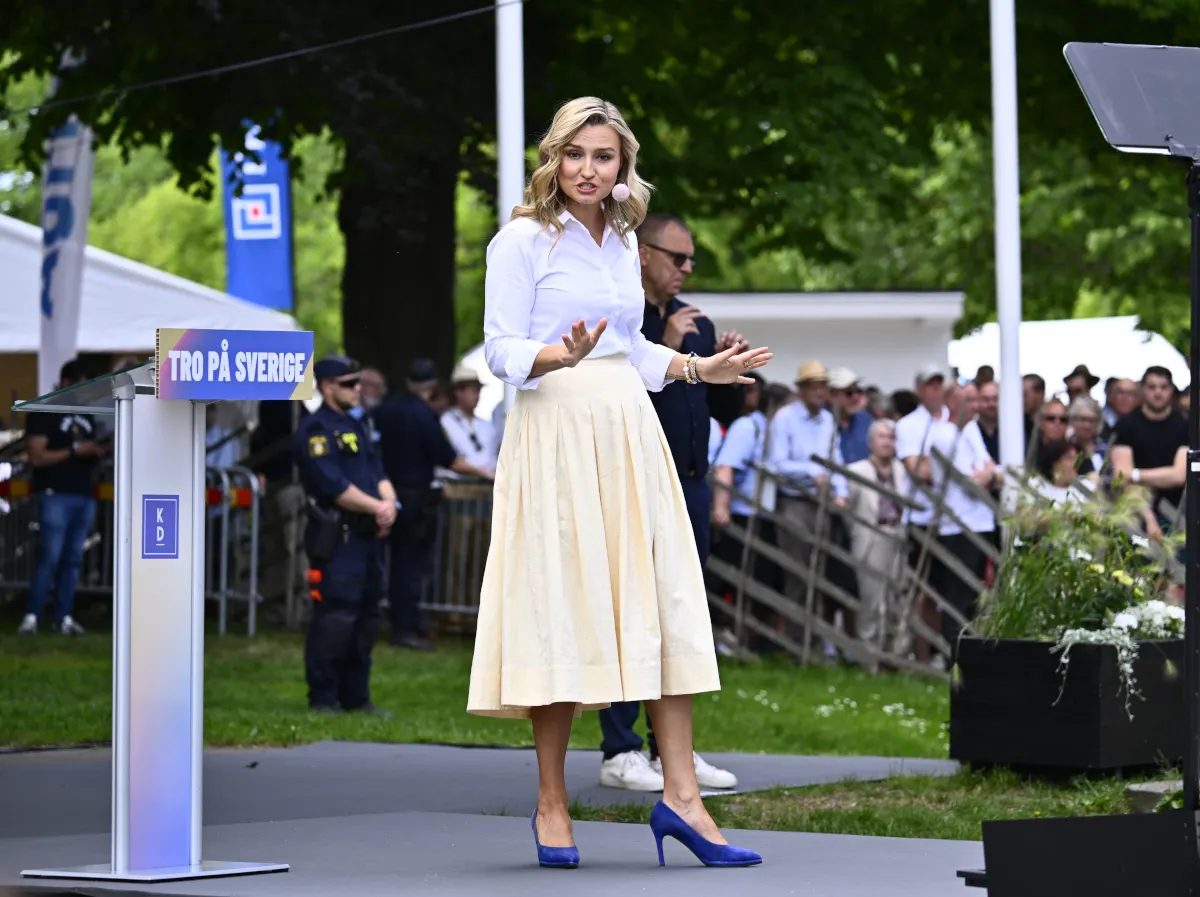
The rest of the political establishment avoided the subject entirely. Christian Democrat leader Ebba Busch focused her Almedalen speech on the economy, healthcare, and Judeo-Christian values, while Sweden Democrat leader Jimmie Åkesson concentrated on immigration, integration, and crime. Neither addressed the most significant structural economic shift in decades.
With a national election less than three months away, this political avoidance is striking. The energy requirements, labour market disruptions, and questions of technological sovereignty posed by AI demand urgent policy action. Without political engagement, Swedish businesses and investors are left navigating a profound economic transformation without a regulatory compass.