ECHR case tests French rape statute of limitations
A collective of abuse survivors is challenging France's time limits on sexual assault prosecutions at the European Court of Human Rights, a move that could increase legal liability for European corporations and institutions facing historical claims.
More than 50 women who allege they were victims of sexual assault or rape in France have formed a collective called Survivors' Voices to demand the abolition of the country's statute of limitations for such crimes. French law currently blocks adult victims from pursuing criminal proceedings if they report the abuse more than 20 years after it occurred, with a 30-year limit for crimes committed against minors.
The group includes accusers of high-profile figures such as Jeffrey Epstein, billionaire Mohammed Al Fayed, and former model agent Jean-Luc Brunel. Brunel was found hanged in his cell at La Santé prison in 2022 while being held on suspicion of raping minors and trafficking them for sexual exploitation. Thysia Husiman, who alleges Brunel raped her in Paris when she was 18, said the current legal timeframe makes victims feel their case "doesn't matter simply because of the date" it occurred. "Rape doesn't expire, trauma doesn't expire," she said.
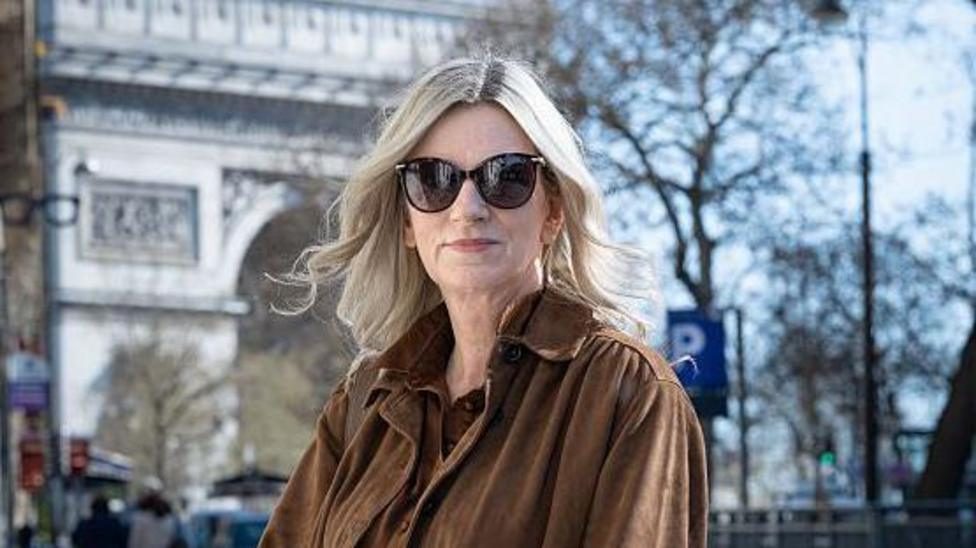
These legal restrictions are now facing a direct challenge at the European Court of Human Rights. Former BBC producer Lisa Brinkworth has escalated her case to the Strasbourg court after French courts, including the nation's highest court, dismissed her allegations against former Elite Model Management boss Gérald Marie. Her case was thrown out because the 20-year statute of limitations had expired.
Brinkworth alleges she was sexually assaulted in 1998 while working undercover to expose abuse in the fashion industry. She did not report the crime to French police until 2021, a delay she attributes directly to the BBC. "At the time I was directed not to report the assault by people who worked for the BBC," she said, arguing that pressing charges would have stalled the expensive television production. She also claims senior staff denied her access to evidence gathered during the shoot.
The dispute highlights the legal complexities facing multinational media corporations when historical evidence is contested. Brinkworth claims the BBC is still withholding "vital evidence" from raw footage where she says she recorded her account of the assault immediately after it happened. The BBC denies this, stating it has provided material to both French investigators and Brinkworth directly. "The BBC is not trying to silence Ms Brinkworth," a spokesperson said.
A lawyer for Marie stated that previous French investigations into the allegations were closed without further action. However, a ruling from the ECHR in favor of the survivors could compel France to revise its time limits, fundamentally shifting the legal exposure of European institutions and corporations to historical abuse claims.