Heatwave ravages European livestock as Paris enforces alcohol ban

A Paris alcohol ban highlights the broader economic toll of a scorching European heatwave that is slashing livestock yields and forcing farmers to consider expensive cooling investments.
Paris police chief Patrice Faure announced a ban on public alcohol consumption starting Friday midday to curb health risks during the current heatwave. "I will publish an edict this evening which will ban the consumption of alcohol in public from tomorrow midday onwards," Faure said, adding: "As you know, drinking alcohol with the sun beating down can have a devastating effect."
Beyond urban public health measures, the extreme temperatures are straining European agricultural supply chains. Belgium has issued a rare "red alert" for extreme heat, with the Flemish farming association Boerenbond warning that milk and meat production will fall.
Livestock farmers are bearing the brunt of the economic damage. Sander Palmans, a 35-year-old farmer and director of the Agricultural Research and Education Center in Bocholt, reported that his cattle and pigs are under severe heat stress despite the use of fans. With temperatures forecast to reach 40C (104F), cows are eating less and avoiding warm bedding, cutting milk yields. Pig growth rates have dropped by roughly 150 grams a day, reducing meat output.
The financial hit is immediate. "This heatwave costs us between €150 and €200 a day," Palmans said, representing a 10 to 15 per cent hit to his income. "Despite all the measures farmers are taking... you can still see production declining," noted Mark Wulfrancke, a spokesperson for the Algemeen Boerensyndicaat.
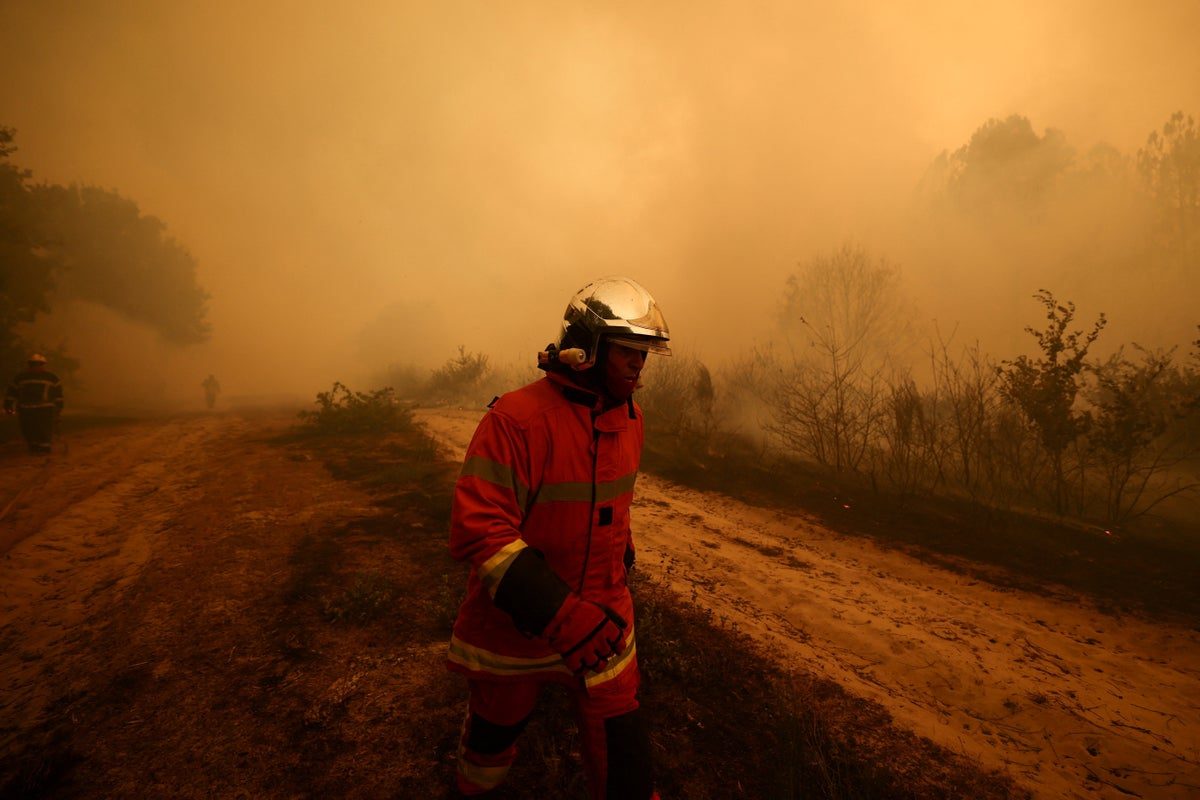
The production disruptions extend into France, where the heat has already killed hundreds of thousands of poultry. French cattle farmers are also facing lower milk output as animals reduce their feed intake and demand more water.
The Flemish agriculture ministry noted that recent rainfall has largely spared crop producers from drought for now, leaving livestock as the primary victim of this weather event. However, the sustained heat points to a long-term shift in farming economics. Palmans warned that artificial cooling infrastructure, such as systems that lower inlet temperatures for livestock housing by 8C, will become necessary. "Today it's an investment for just a few days a year, but we see that hot days are increasing," he said.