California sets November vote on one-off billionaire tax
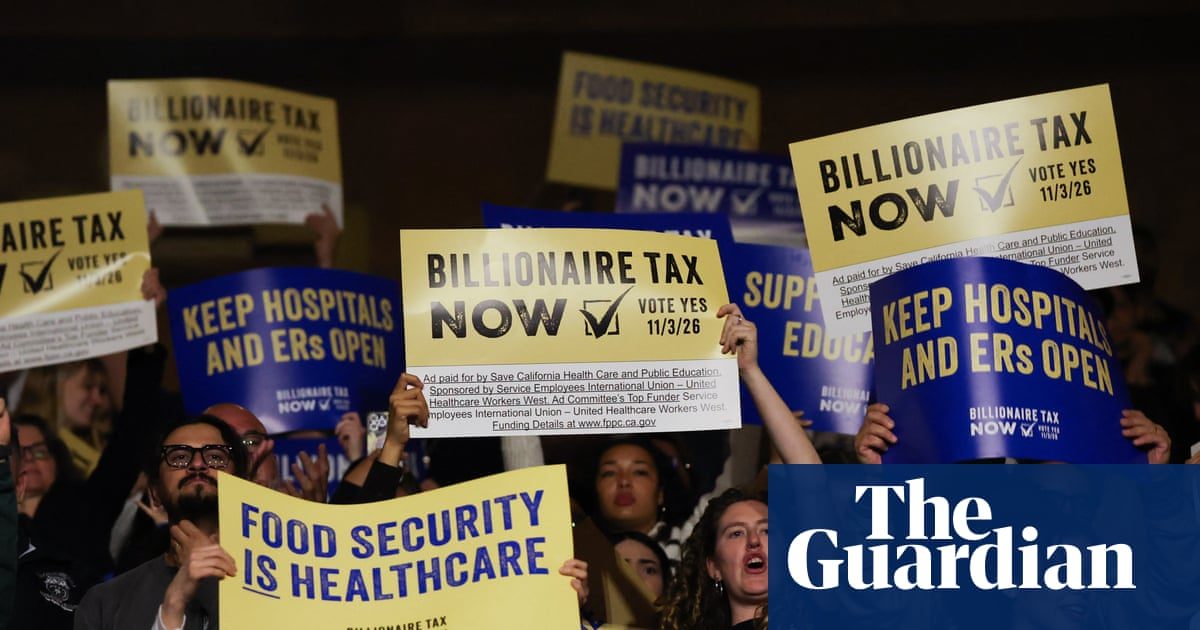
A proposed 5% wealth tax targeting California’s tech elite will go to voters in November, testing a policy closely watched across Europe for its potential to trigger capital flight and reshape global tax debates.
California voters will decide in November on a one-time 5% tax on billionaires after a Thursday deadline passed for backers to withdraw the measure.
The ballot initiative is the most prominent US effort this year targeting wealth disparities, but its implications stretch across the Atlantic. European policymakers debating similar levies will watch the outcome as a high-stakes case study on whether aggressive wealth taxes drive capital out of a major tech hub.
The Service Employees International Union-United Healthcare Workers West sponsored the proposal to fund healthcare, education and food assistance. Organisers gathered upwards of 1.6 million signatures, more than double the requirement. “Enthusiasm for the billionaire tax is unlike anything we have seen before,” said Debru Carthan, the union's vice-president. “The billionaire tax will be on the November ballot and we intend to win.”
California is home to roughly 200 billionaires, many enriched by the artificial intelligence boom. Silicon Valley figures have poured tens of millions into stopping the proposal. Peter Thiel, Chris Larsen and former Google CEO Eric Schmidt have funded opposition groups. Google co-founder Sergey Brin alone has donated $82 million to the Building a Better California Super Pac, while Larry Page has moved to cut ties with the state. Forbes estimates Brin’s net worth grew by nearly $100 billion over the past year to $258.9 billion, with Page close behind at $280 billion.
Opponents argue the tax would harm the economy and drive business away, a scenario European investors in Alphabet and other targeted tech firms must weigh against the AI-driven surge in valuations. A competing ballot measure, also qualified for November, would prohibit new taxes on retirement holdings and personal savings.
The measure has fractured traditional left-wing coalitions. Unions like the California Teachers Association and medical groups including Planned Parenthood Affiliates of California oppose it, arguing it is not a sustainable funding solution. Governor Gavin Newsom, a potential 2028 presidential candidate, also rejected the measure. The union offered to lower the demand to a 2% tax, but Dave Regan, the union's president, said Newsom’s office rejected it immediately. “He would not entertain any proposal or any compromise to tax billionaires,” Regan said.
Democratic congressman Ro Khanna, who represents Silicon Valley, backed the initiative despite the corporate backlash. “It also matters for the country at a time when we have Elon Musk becoming a trillionaire, are we really debating whether we should have a 5% tax?” Khanna said.