UK farmers and fishermen feel Brexit's economic toll a decade on
Ten years after the 2016 referendum, British farmers and fishermen are grappling with lost export markets and increased red tape, inadvertently boosting their European competitors.
A decade after the United Kingdom voted to leave the European Union, the economic reality for its agricultural and fishing sectors has soured for many. Promises of reduced bureaucracy and regulatory freedom have largely failed to materialise, leaving producers at a competitive disadvantage against their continental rivals.
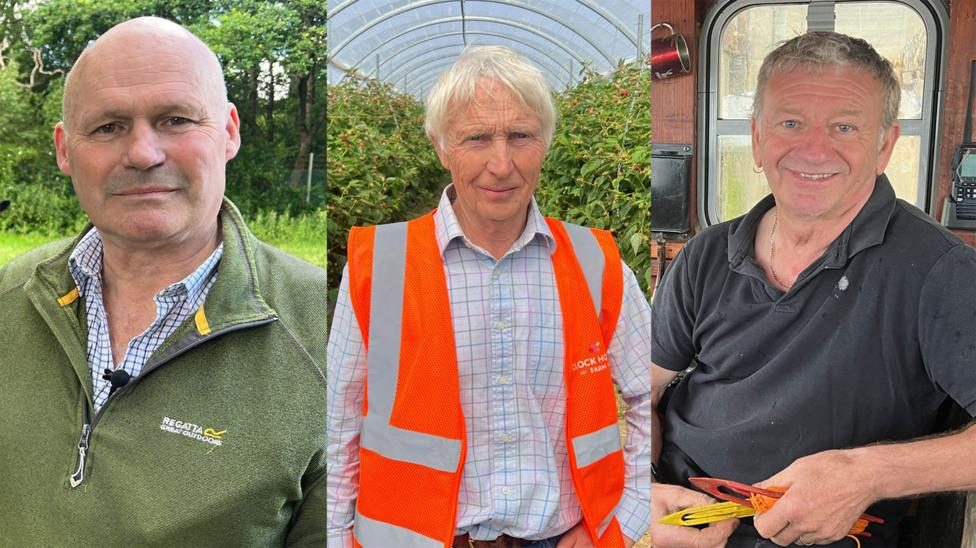
For European competitors, the UK's departure has created tangible gains. Surrey beef farmer Simon Maiklem, who voted to remain, said his export market for "high health, high pedigree cattle to Europe" vanished immediately after Brexit. "That market has now been taken up by the Southern Irish," he noted, pointing out that Irish producers have done very well from remaining in the bloc. Kent fruit farmer Robert Pascall, who voted leave, conceded that purely on economic terms, "remaining in the EU probably would have been the right answer" due to lost subsidies that make competing in the EU market difficult.
The fishing industry, where 92% voted to leave in 2016, reports similar frustrations. Sussex fisherman Mark Ball wanted European boats banned from a 12-mile zone but said EU vessels "still come to six miles". Instead of gaining control, British fishermen now face "loads of red tape around exporting fish". Jim Partridge of Shoreham-based Monteum Ltd said French fishermen continue to operate up to six miles off the Sussex coast, taking valuable stocks like Dover sole and cod while leaving "very little" for UK fleets.
Despite the economic friction, political resentment toward Brussels endures. Both Ball and Partridge said they would vote leave again, with Ball calling the EU "bullies" and expressing hope that the post-Brexit agreement could be torn up. Partridge argued that "Europe is not performing" and suggested rejoining would not solve the UK's problems.
There are isolated signs of domestic adaptation. Pascall noted that tighter post-Brexit plant health checks, while making imports harder, forced his farm to grow its own stock plants. This eliminated his reliance on importing through the Channel Tunnel.
The UK government insists it is supporting the sectors. A Department for Environment, Food and Rural Affairs spokesperson highlighted roughly £800m invested in farmers and food producers, £360m through a Fishing and Coastal Growth Fund, and a reformed subsidy scheme designed to make trade with the EU "cheaper and easier".