US grocery model links low wages to massive food waste
US supermarkets are discarding billions of pounds of food annually to maintain full shelves, a wage-suppressed business model that highlights sustainability risks for European retailers.
US supermarkets are systematically discarding vast quantities of edible food to keep display cases looking full. Up to 40 percent of food produced for consumption in the country goes uneaten. According to a USDA study, retail stores account for 31 percent of this loss, equating to 133 billion pounds each year.
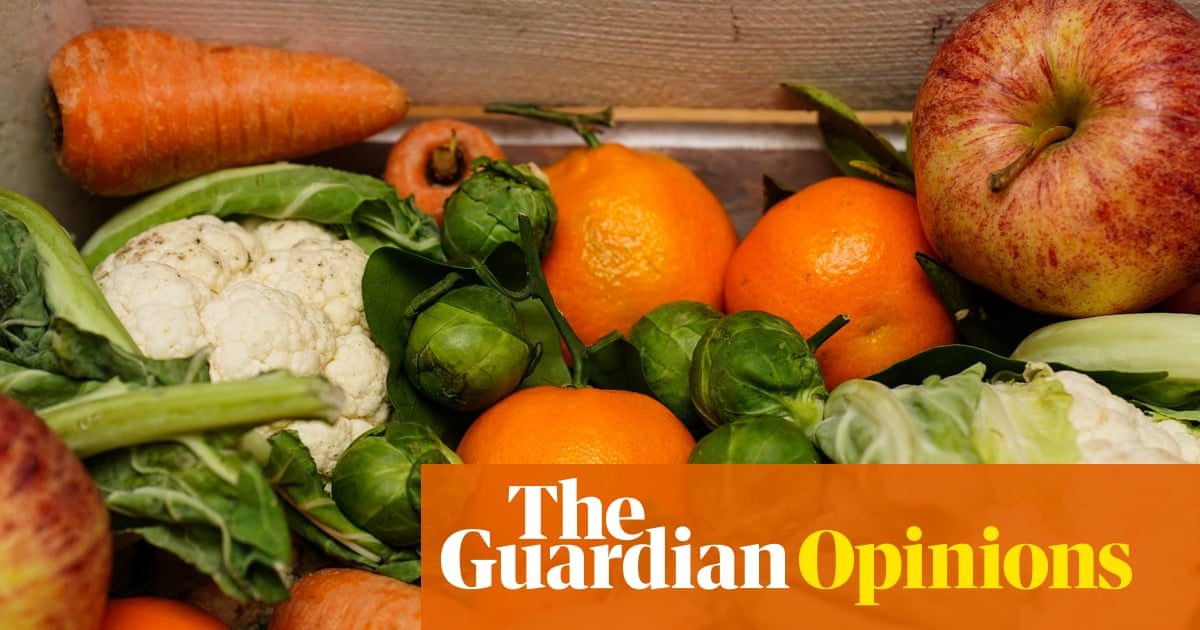
The waste is driven by a relentless focus on aesthetics. Deli workers report tossing around 16 rotisserie chickens every night, while bakery staff throw out one to two cartloads of fresh bread daily. Produce departments discard one to two carts of salads and berries daily, often binning items two days before their expiration date to appease shoppers who prefer unblemished goods.
This inefficient model is fundamentally underpinned by depressed labor costs. The food industry is the largest employer in the US, yet a 2022 Economic Roundtable report found that roughly three-quarters of workers at Kroger struggle to afford food. Since 2024, inflation-adjusted wages for grocery workers have fallen by 15 percent.
Suppressing wages effectively subsidizes the continuous over-stocking required to maintain an illusion of abundance. Donating unsold food is avoided because building a separate logistics network is deemed more expensive than simply sending items to a landfill. As one bakery employee explained when asked why so much bread was produced: “To make the shelves look full!”
For European retailers and investors, the American model highlights the long-term risks of prioritizing visual merchandising over supply chain efficiency. Food is the largest contributor to US landfills and accounts for up to 10 percent of the country's greenhouse gas emissions. As European regulators tighten rules on corporate sustainability and waste, this aggressive over-stocking strategy looks increasingly unsustainable.
The human cost of this economic calculation is severe. More Americans are hungry today than during the pandemic, and 70 percent are struggling to afford basic needs. Workers face such severe food insecurity that some spend days off at plasma clinics to buy groceries, while others are fired for attempting to take home nearly expired meat.