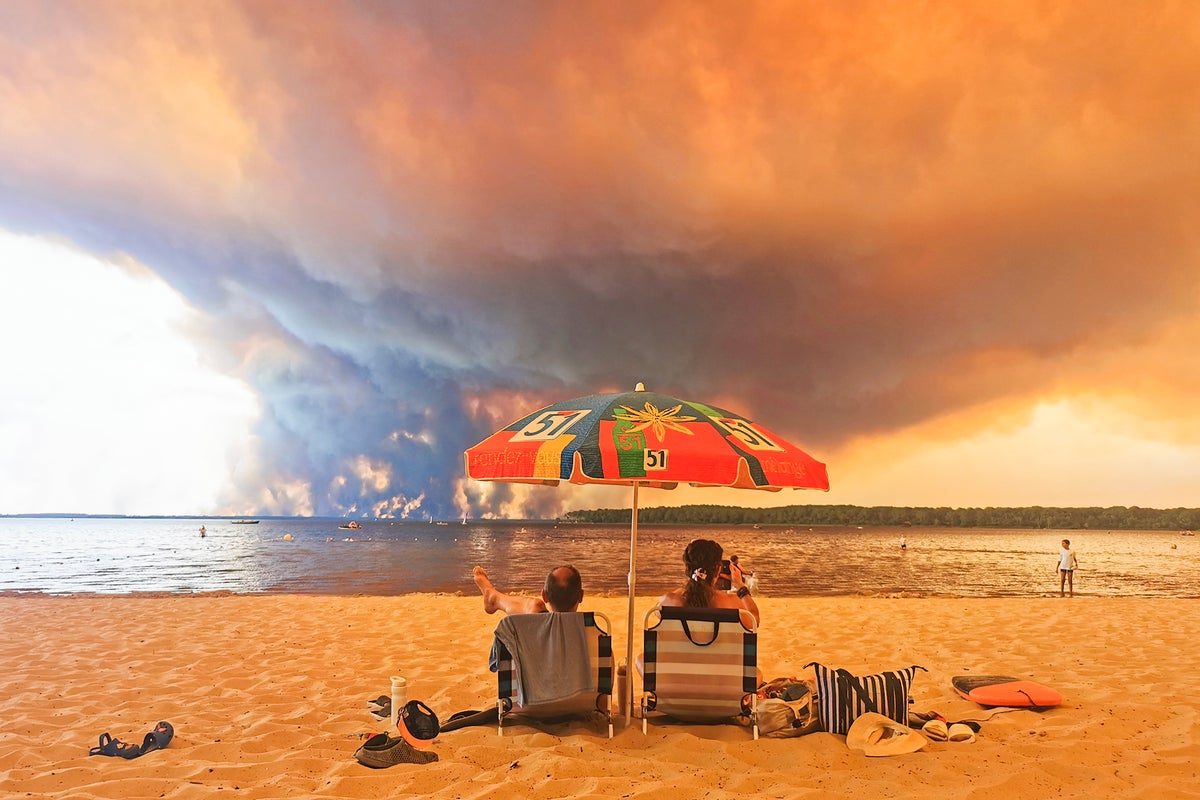
Four toddlers die as record heat buckles European rail networks and grids
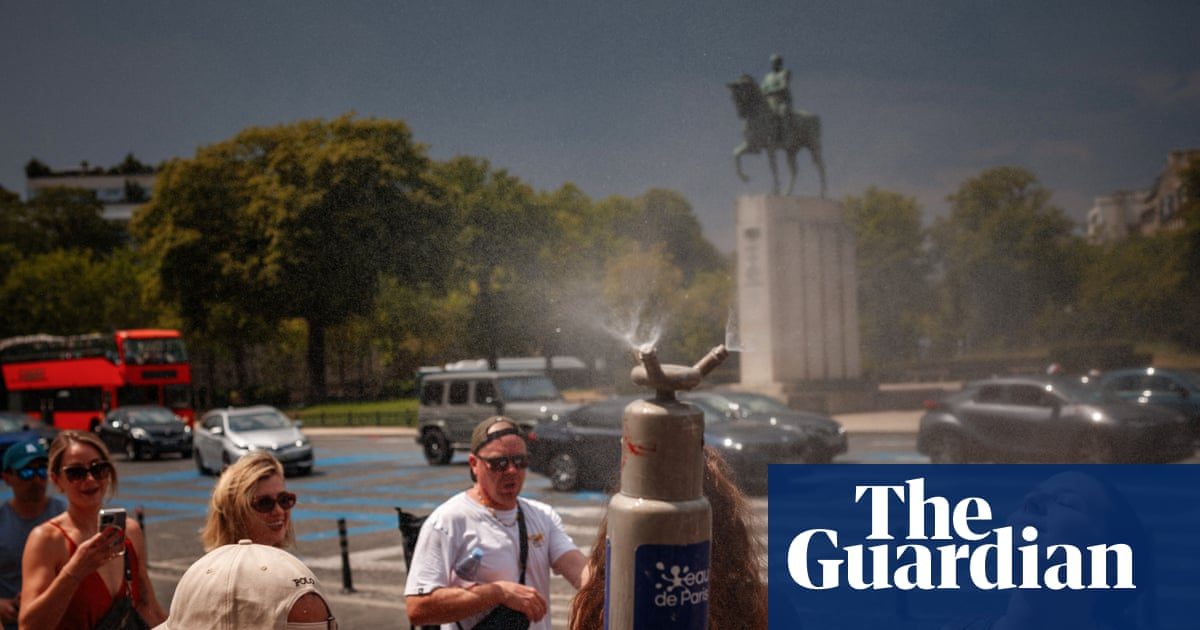
A record-breaking June heatwave that has killed four toddlers in France is overwhelming emergency services, crippling transport infrastructure and forcing energy operators to warn of power supply strains as the extreme weather shifts east.
Four toddlers have died in separate incidents in France, including an 18-month-old in Marseille found with hyperthermia in a car, as the country grapples with a heatwave that has also led to at least 55 drownings. Sports Minister Marina Ferrari warned that this drowning figure, up from 40 earlier in the week, may continue to climb. The fatalities come as scientists deem this the most severe and widespread European heatwave ever recorded, driven by fossil fuel burning.
The extreme temperatures are exposing the vulnerability of European infrastructure and public services. In the UK, where a provisional record of 37.3C was set in Suffolk, more than 1,000 schools closed because poorly insulated buildings lack air conditioning. Train operators urged passengers to avoid non-essential travel due to reduced services, while Britain’s energy operator raised alarms over power supplies needed to meet surging demand for cooling.
Physical infrastructure is degrading under the stress. Germany’s national meteorological service recorded a preliminary national record of 41.3C near Saarbruecken, while extreme heat caused the surface of the A2 motorway to buckle and rupture over several lanes. Austria’s national rail company issued warnings that train tracks could buckle in the coming days as the heat shifts east toward central Europe and the Balkans.
Emergency healthcare systems are reaching capacity. The London ambulance service reported its highest ever number of life-threatening emergencies on Wednesday, with chief operating officer Craig Harman expecting demand to grow daily. In Paris, where temperatures hit a June record of 40.9C, police chief Patrice Faure stated that hospital facilities were reaching a saturation point. Patrick Pelloux, head of the Association of French Emergency Doctors, told Reuters that 55 deaths in 24 hours in Paris emergency care was enormous. “Normally it’s three or four over 24 hours,” he said.
The strain on public services has forced the cancellation of major events, dealing a blow to local economies and public life. Paris Pride, Lyon Pride, and the Solidays music festival were postponed, alongside Belgium’s Battle of Waterloo re-enactment and the Netherlands’ Defqon 1 festival, which was cancelled during the country’s first-ever red heat alert.
John Kennedy, the World Meteorological Organization’s climate information chief, noted that Europe has warmed by about 2C since the 1976 heatwave. “Heatwaves like this are what we expect to see in a changing climate,” he said. “Extreme heat will occur more frequently, for longer duration and with greater intensity as global warming continues,” signalling recurring costs for European economies as the Mediterranean, which is warming 20% faster than the global average, braces for an exceedingly hot two months starting in mid-July.