Comment | Is art market regulation too much of a ‘good thing’?
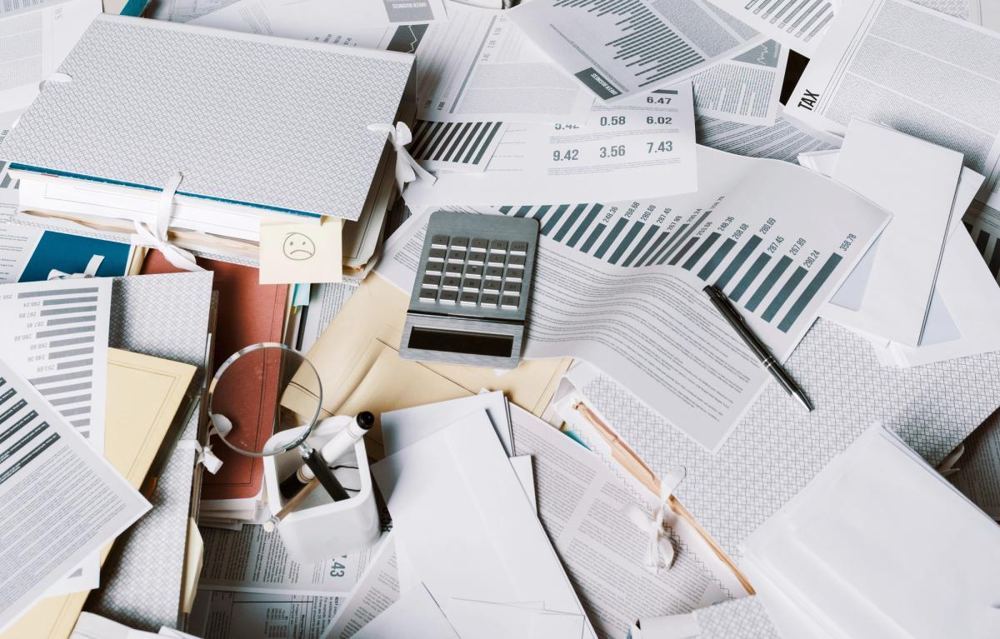
Despite good intentions, excessive rules for the UK and EU art markets lead to the policing of minor infractions
A monthly look at recent developments in art law, written by Alexander Herman, the director of the Institute of Art and Law
Anyone who says the art market is unregulated probably has not spent much time in an auction house compliance department. At the big houses, such departments might consist of half a dozen full-time personnel tasked with ensuring that the business can digest what has become an expanding layer cake of government regulation in the art sector.
In the European Union (EU) and UK, this includes regulation around money-laundering, data protection, imports and exports, artist resale rights, a growing economic sanctions regime, endangered species, firearms and complex tax reporting. The UK has additional obligations around ivory and issuing annual “modern slavery” statements.
None of these areas of control seem objectionable at first glance. But a careful observer must consider two things. Does the imposition of regulation achieve the intended goal? And, if it does, does it need to apply across the board, both up and down the market, to all participants?
In 2015, the British Art Market Federation undertook an analysis that listed 167 laws and regulations impacting the UK art market. The organisation’s current chair, Tom Christopherson, tells me that the impact of laws and regulations has increased considerably since then. Sophisticated players, with their compliance teams and in-house lawyers, may be able to spot trends, change course and avoid falling foul of the many rules. But what about the small fish?
Consider anti-money laundering regulations, which were extended to the art market by the EU and the UK in 2020. Absolutely nobody wants ill-gotten gains to proliferate in the art market. But despite negative stereotypes and hearsay around “dodgy dealings”, I have yet to find convincing evidence of money laundering in the European art market that could have justified such an expansive regime.
In the UK, data from HMRC (the official tax, payments, and customs authority) shows that more than 200 art market participants have been fined for violating the rules from the date enforcement began in 2022 to September 2025. None of these infractions involved the actual laundering of money, merely the failure to register with HMRC or to report material changes. (One gallery failed on additional grounds relating to risk assessments, due diligence and staff training.) Many of those fined are small operations, such as a toy soldier shop in London that featured in a recent Financial Times story on this topic.
With registration and reporting obligations, the onus falls on market participants. The scope of an offence can extend well beyond laundering itself. With the art market now a “regulated sector”, failure to report suspicions around, for instance, activities that could conceivably be connected to the funding of terrorism is now a criminal offence. An east London art dealer was caught under this new “failure to report” offence in 2023 and sentenced to two-and-a-half years behind bars.
Another area involves sanctions, far less simple than checking customer names against a list of oligarchs. The Russia sanctions list continues to grow by the month; in the UK, it consists of nearly 2,000 individuals and 1,000 companies, with additional lists for countries including Belarus, Iran and Libya, often with a multitude of transliterated names.
Also in the UK, an offence exists that goes beyond dealing with listed sanctioned individuals to exporting or “making available” luxury goods (including art) to anyone “connected with Russia”. This offence was used recently to charge the gallery Hauser & Wirth, along with its shipping company. Judge Tony Baumgartner of Southwark Crown Court dismissed the case in July , having found that the prosecution had failed to make a case that the individual to whom the work had been shipped was indeed “connected with Russia”, as he was no longer ordinarily residing in that country.
We all understand the benefit of regulation when it comes to saving lives, protecting the environment and smothering criminality in high-risk markets. But whether every piece of regulation is justified for the art world remains to be seen, or, rather, proven.