Burkina Faso severs diplomatic ties with France
Burkina Faso has formally broken off diplomatic relations with France, signalling the definitive collapse of French institutional influence in a region increasingly turning to Russian and Chinese partners.
Burkina Faso’s military government has officially severed diplomatic ties with France, accusing Paris of "ceaseless activism" against the country and harboring "neo-colonial ambitions". The French foreign ministry swiftly rejected the move as "hostile and unfounded", stating it "illustrated the troubling drift by the Burkinabe government".
For European stakeholders, the decision marks the final institutional rupture in a former colonial stronghold where French businesses and security forces have historically held deep interests. The diplomatic break follows a steady erosion of Paris's economic and military footprint in the Sahel, a region crucial to European stability and resource strategies.
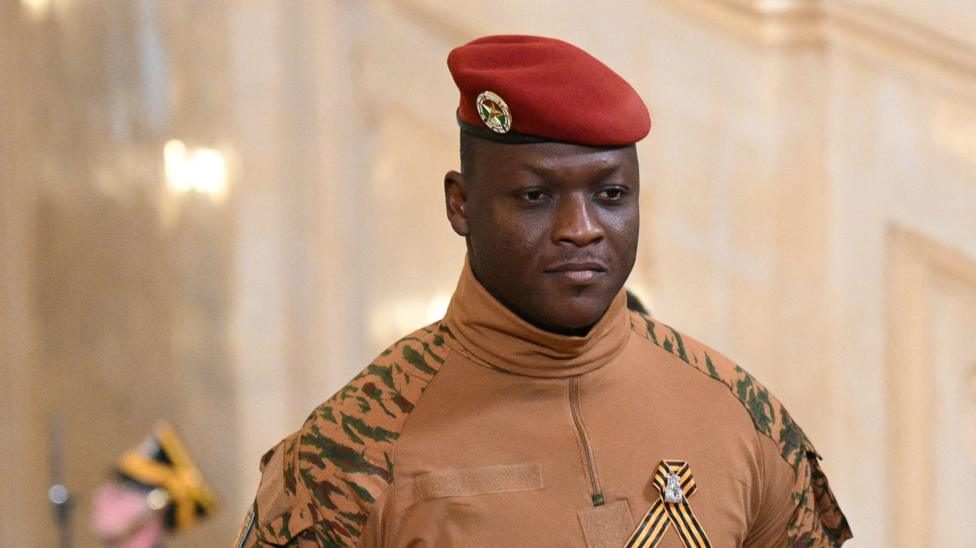
Relations have deteriorated sharply since Captain Ibrahim Traore seized power in a 2022 coup and adopted anti-Western policies. His government expelled French troops, sent home three French diplomats in 2024 over alleged "subversive activities", and has been without a French ambassador since January 2023.
The diplomatic severance is part of a broader economic and political realignment in West Africa. In January, Burkina Faso joined neighbouring military-led states Mali and Niger in breaking away from the regional West African bloc, Ecowas. The trio formed a new group, The Alliance of the Sahel States, fracturing a major regional trade and political framework that Europe has long relied upon for managing migration and economic cooperation.
As French institutional influence evaporates, Captain Traore’s government has explicitly pivoted towards China and Russia. This transition is likely to reshape future infrastructure contracts, mining concessions, and security agreements in a country battling a decade-long Islamist insurgency.
Despite the institutional break, the Burkinabe communications minister, Pingdwendé Gilbert Ouédraogo, clarified that the decision "concerns exclusively the institutional framework of relations". He stated it "in no way calls into question the historical, human, cultural and social ties that unite the Burkinabe and French peoples". France, however, has warned its nationals in the country "to exercise heightened vigilance".
The junta has also solidified its domestic grip, having reneged on a 2024 pledge to restore democracy and formally dissolving political parties in January this year. This political consolidation further distances the country from the democratic conditions typically tied to European trade and development aid.