Hungary's Magyar dismantles Orban foundations, eyes EU funds
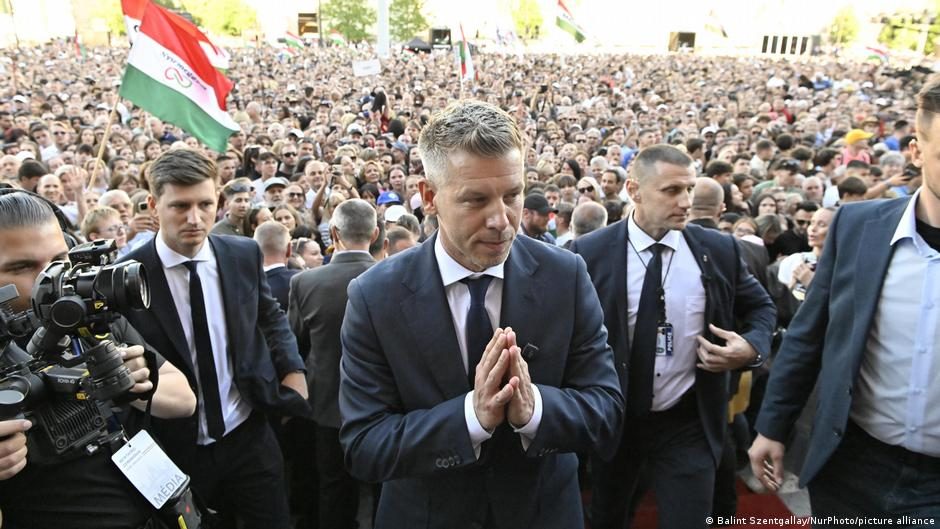
Hungary's new government has passed a sweeping anti-corruption package to dismantle Viktor Orban's network of private foundations, a crucial step toward unlocking €17 billion in frozen EU funds.
Hungary’s parliament has approved a first package of laws under "Operation Purgatory," a flagship initiative to dismantle the infrastructure left by former prime minister Viktor Orban. The legislation abolishes public interest asset management foundations, known as KEKVAs, which were used to shift an estimated €5 billion to €9 billion in state assets into private hands.
The reforms carry immediate economic weight. The European Union froze roughly €17 billion in funding for Hungary over corruption concerns during Orban's tenure. Passage of these anti-corruption measures is a prerequisite for Brussels to release a €10.4 billion tranche due in August.
Under the old system, these private foundations served as vehicles for transferring public wealth. The Mathias Corvinus Collegium, an elite training school for Orban's Fidesz party, received a €1.3 billion gift in 2020 consisting of 10% state shares in oil company MOL and pharmaceutical firm Gedeon Richter. The foundations also allowed the former government to install loyalists into university administrations, stripping the institutions of their autonomy.
To prevent future self-enrichment, parliament has strengthened the Integrity Authority and imposed stricter transparency rules for public tenders. State contracts were previously a primary tool for corruption, famously enriching Orban's schoolfriend Lorinc Meszaros, a former plumber who became Hungary's richest man.
Prime Minister Peter Magyar has also initiated reforms to public service media, aiming to end its role as a propaganda outlet by including journalistic representatives in new governing bodies. Furthermore, lawmakers took first steps toward creating a National Asset Recovery and Protection Office to claw back unlawfully obtained wealth.
Magyar has labeled Orban's style of rule a "mafia system." As the online news outlet 444.hu noted, "Orban wanted to tie the hands of the next 10 governments. The Magyar administration is now ripping up that plan."
Political scientist Gabor Torok called the asset recovery office the "most important political measure" of the new administration because it satisfies the public's need to see "handcuffs being slapped on wrists." This would mark a first for any Hungarian government since the fall of communism.
However, Magyar faces a delicate balancing act. Foreign policy expert Zsuzsanna Szelenyi warned that the government must navigate a "post-illiberal trilemma." She defined this as "swiftly reversing the damage of illiberal rule, preventing a populist resurgence, and strictly observing constitutional norms." As she concluded, "Balancing speed, efficiency, and legality, is essential to Hungary's re-democratisation."