US top court rejects Trump order on birthright citizenship
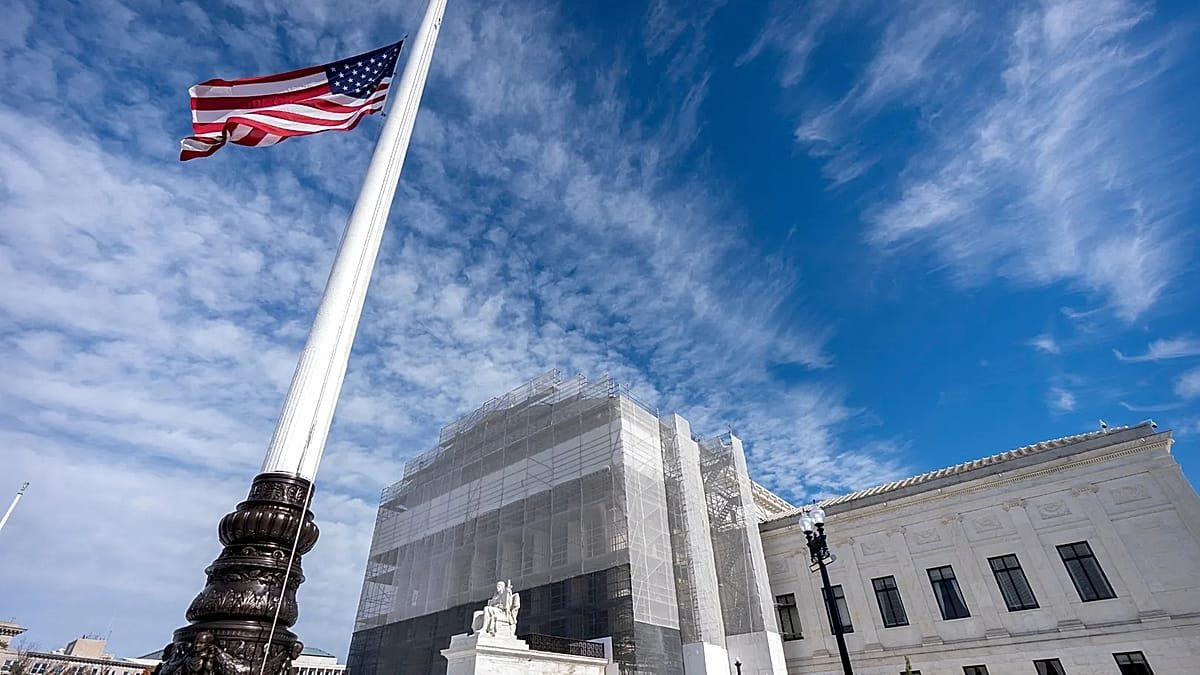
The US Supreme Court has struck down a Trump administration order that sought to end birthright citizenship, preserving legal certainty for European companies employing expatriate staff in the United States.
The US Supreme Court has struck down an executive order by President Donald Trump that aimed to revoke automatic birthright citizenship for children born on American soil.
A five-justice majority ruled that the January 2025 order violated the 14th Amendment. Chief Justice John Roberts, joined by Justices Sonia Sotomayor, Elena Kagan, Amy Coney Barrett and Ketanji Brown Jackson, determined that children born to parents who are unlawfully or temporarily in the country are citizens at birth.
The order had targeted the children of both undocumented immigrants and those in the US on temporary visas. For European businesses operating across the Atlantic, the ruling removes a sudden layer of legal uncertainty. Thousands of European expatriates work in the US on temporary visas, and the policy would have created a two-tier system where their US-born children lacked automatic citizenship, complicating future travel, residency and tax planning for corporate transferees.
The decision also carries weight for transatlantic investors by reaffirming institutional checks on executive power. Broad, unilateral changes to foundational legal frameworks introduce regulatory risk that markets typically discount negatively. By striking down the order, the court has signalled that such sweeping shifts require congressional action rather than presidential decrees.
The 14th Amendment, adopted in 1868, guarantees citizenship to "all persons born or naturalised in the United States, and subject to the jurisdiction thereof". Delivering the majority opinion, Roberts wrote that "citizenship, then and now, was the right to have rights— to freely participate in our political community".
The court's conservative wing was divided. Justice Brett Kavanaugh concurred that the order was unlawful, arguing it contravened a federal statute rather than the 14th Amendment. Justices Clarence Thomas, Neil Gorsuch and Samuel Alito filed dissenting opinions.
Responding to the ruling, Trump said his Republican party had overall been "treated very fairly" by the court. However, he pledged that his administration would "work to correct" the birthright citizenship loss in Congress, ensuring that US immigration policy remains a volatile issue for European firms to monitor.