Evening power spikes drive €700m heatwave bill in France, Germany
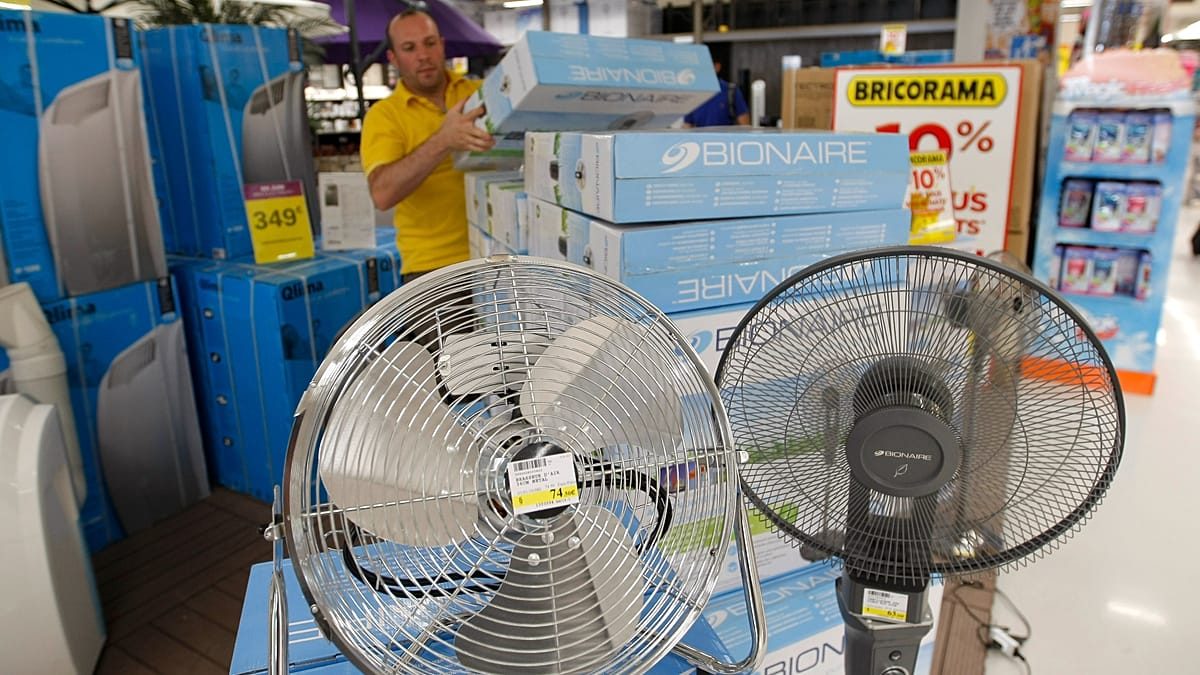
A record June heatwave has added €700 million to electricity costs in France and Germany, exposing how cooling demand and the loss of evening solar power strain Europe's energy system already reeling from the Strait of Hormuz crisis.
Electricity consumers in France and Germany faced an extra €700 million in costs during a record heatwave in late June. Analysis by environmental NGO 350.org comparing the week of June 21-27 to the prior week found prices jumped by €371 million in Germany and €360 million in France.
The price surge reveals a critical vulnerability in European power markets. As temperatures peaked, demand for cooling surged just as cheap solar energy dropped off at sunset. In Germany, prices rocketed from €86 per megawatt-hour at midday to €566/MWh at 8pm. On the evening of June 23, Belgian prices exceeded ten times the EU's average wholesale rate, according to Montel News.
For grid operators and energy traders, these evening spikes highlight the urgent need for battery storage or baseload capacity to replace fading solar generation. The problem is compounded by heat-related efficiency losses at both solar panels and gas plants, which squeeze supply exactly when demand peaks.
This extreme weather burden falls on top of existing geopolitical pressures. Oil and gas prices are already elevated because Iran closed the Strait of Hormuz over 100 days ago in response to a US-Israel offensive.
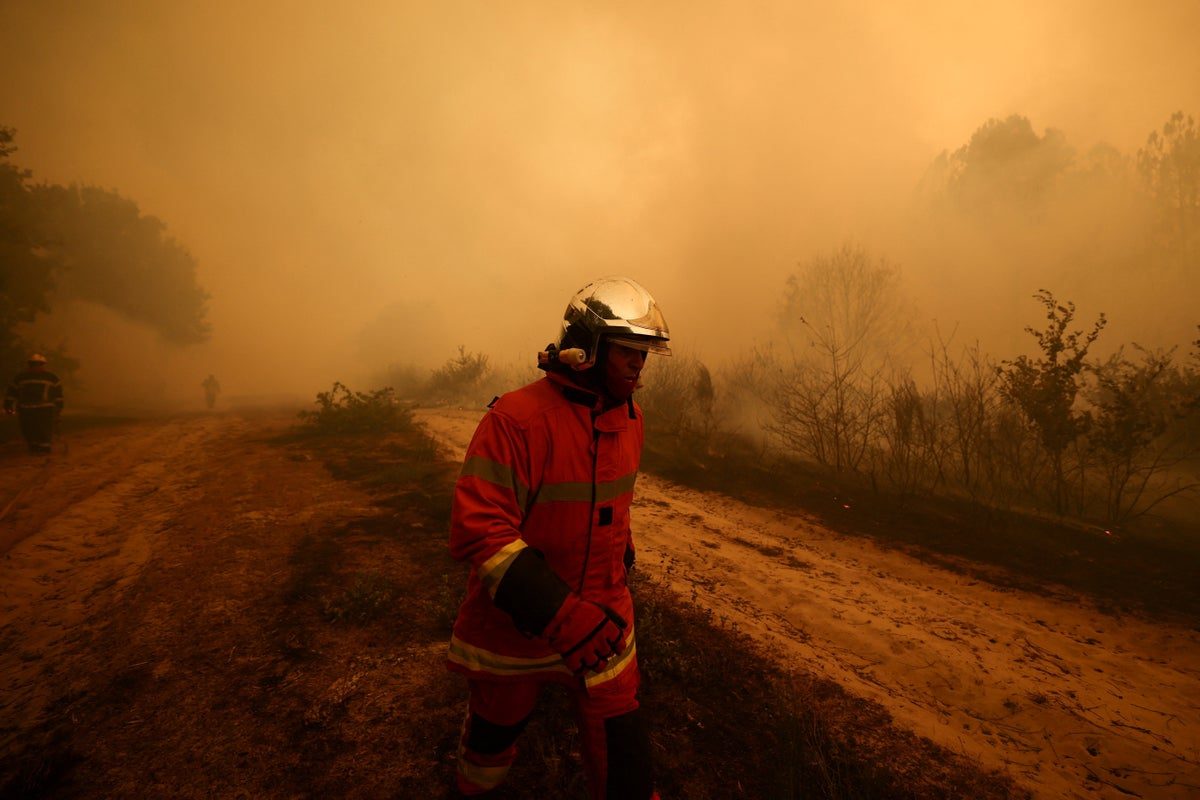
Beyond the energy market, the heat has disrupted agriculture, industry and infrastructure. The event caused 1,300 excess deaths across the continent. World Weather Attribution stated the heatwave would have been "virtually impossible" without climate change driven by fossil fuel emissions.
Andreas Sieber, 350.org head of political strategy, argued that fossil fuel firms are exploiting the compounding crises. “Fossil fuel companies continue to profit from the crises they helped create,” he said. He is calling for a permanent windfall tax on oil and gas profits to fund climate adaptation and a just energy transition.
The EU has a precedent for this fiscal approach. A temporary "solidarity contribution" introduced after Russia's 2022 invasion of Ukraine raised €28 billion to shield vulnerable households. Campaigners believe a permanent tax could now offset both the Hormuz-induced energy shock and the financial toll of extreme heat.
“Stronger taxation on fossil fuel companies could pay for better equipping countries to deal with extreme weather, as well as moving us faster to renewables,” Sieber said. “European governments must act now to save lives and lower energy bills.”