Spain court scraps 183-day stay rule for nomad visa renewals
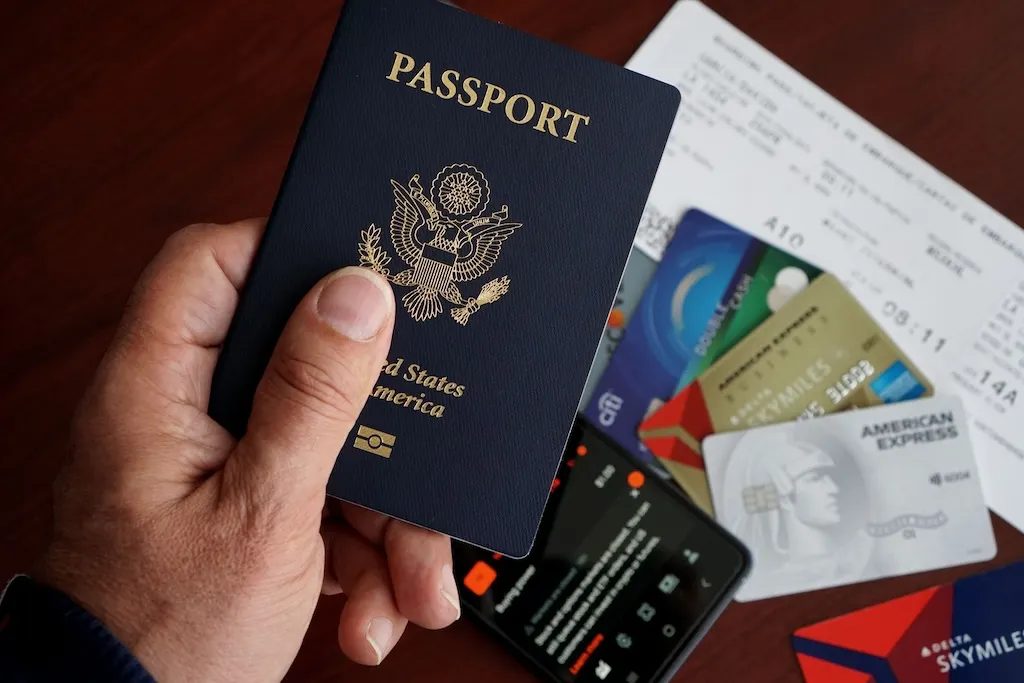
Spain's Supreme Court has ruled that digital nomads no longer need to spend six months a year in the country to renew their visas, a shift that eases mobility but complicates tax planning for internationally mobile professionals.
Spain’s Supreme Court has nullified a regulation requiring foreign residents to spend at least 183 days in the country to renew their temporary permits. The court found that Article 14.3 of Royal Decree 240/2007 was invalid because the physical presence threshold was established in a bylaw rather than primary legislation.
This is not an isolated ruling. The court issued similar judgments in June 2023 and July 2024, followed by another in October 2025, collectively establishing that “prolonged absences from Spain cannot automatically justify the loss of a temporary residence permit,” according to María Luisa de Castro at Costa Luz Lawyers.
The decision removes a major administrative barrier for holders of Spain’s Digital Nomad Visa (DNV), a cohort that frequently travels for work or family reasons. Maya Middlemiss from Remote Work Europe noted that “this change in the regulation is an acknowledgement that there's a big spectrum of different behaviour within that group, including many who want to integrate and contribute and make Spain a regular part of their lives, even if it doesn't mean settling down in one permanent place.”
For Europe’s increasingly competitive market for remote talent, this legal pivot makes Spain a more flexible jurisdiction. De Castro framed the court's approach as one that “reflects the reality of modern professional life far more accurately than the previous system,” removing a structural disincentive for entrepreneurs and remote workers operating across borders.
However, easier visa renewals do not equate to lighter tax burdens. The immigration authority recently introduced a new requirement for DNV renewals, demanding full tax returns for the two preceding fiscal years. Experts at Move to Spain Guide warned that authorities are scrutinising “your total earnings, your deductions, and your financial structure,” adding, “They want to see whether you’ve actually been paying your taxes in Spain, and exactly how much you’ve been declaring.”
De Castro emphasised that visa status and tax residency are “two distinct concepts.” Spending fewer than 183 days in Spain does not automatically prevent an individual from being classified as a tax resident, as authorities also assess a person's centre of economic interests, family location, and applicable double tax treaties. “The tax implications of these decisions may prove even more significant than the immigration implications,” she said.
This legal flexibility is strictly limited to temporary permits like the DNV. Holders of Spain’s Non-Lucrative Visa remain bound by Royal Decree 1155/2024, which explicitly mandates “real and effective residence in Spain for more than 183 days during each calendar year” for renewals.