Swedish heatwave records broken as European death toll rises

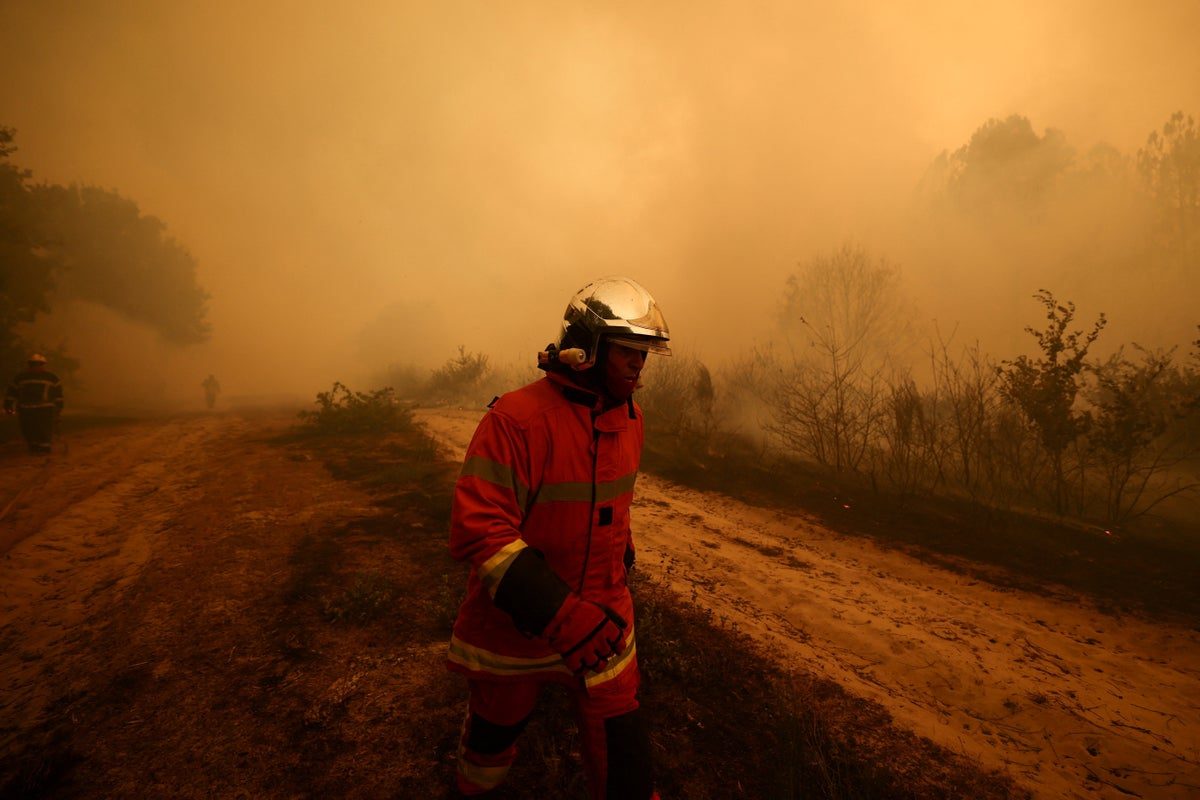
Record temperatures across southern Sweden have compounded a severe continental heatwave that the WHO says has caused over 1,300 excess deaths, stressing public health systems across Europe.
Southern Sweden registered unprecedented temperatures over the weekend. A severe heatwave sweeping across Europe pushed public health infrastructure towards saturation.
Malmö experienced its hottest day since records began, reaching 35.1C. The heat peaked in neighbouring Lund at 36.3C, marking the city's highest temperature since 1947.
Helsingborg and Jönköping also recorded their hottest June days ever, hitting 33C and 34.2C respectively. In Växjö, the mercury climbed to 34.4C, matching the city's all-time record set in 1992.
While thunderstorms swept Sweden's south and west coasts on Sunday, temperatures remained elevated. Relief is expected later this week. "Along the Småland coast, in particular, daytime temperatures could reach around 25C," SMHI meteorologist Viktor Bergman told TT.
The Scandinavian records are part of a broader weather system moving eastwards. This system subjected tens of millions of Europeans to extreme temperatures this weekend.
For European economies and policymakers, the physical toll of these events carries direct implications. The World Health Organization reported on Sunday that the heatwave has been linked to more than 1,300 excess deaths across the continent since June 21. French health officials separately documented around 1,000 more deaths than expected between Wednesday and Sunday morning.
When health services warn of saturation, the consequences extend beyond immediate medical care. Widespread heat-related absences can disrupt workforce productivity, while surging emergency demand places a direct financial strain on public resources.
Researchers attribute these recurring heatwaves directly to global warming driven by the burning of coal, oil, and gas. They project that such events will grow more frequent, longer, and increasingly intense.
For investors and businesses, this escalating pattern signals a growing physical risk to European operations and supply chains. It underscores the long-term economic imperative to accelerate the transition away from fossil fuels, as the immediate costs of climate change are increasingly measured in human lives.