DeepMind’s philosopher warns against building conscious AI, FT reports
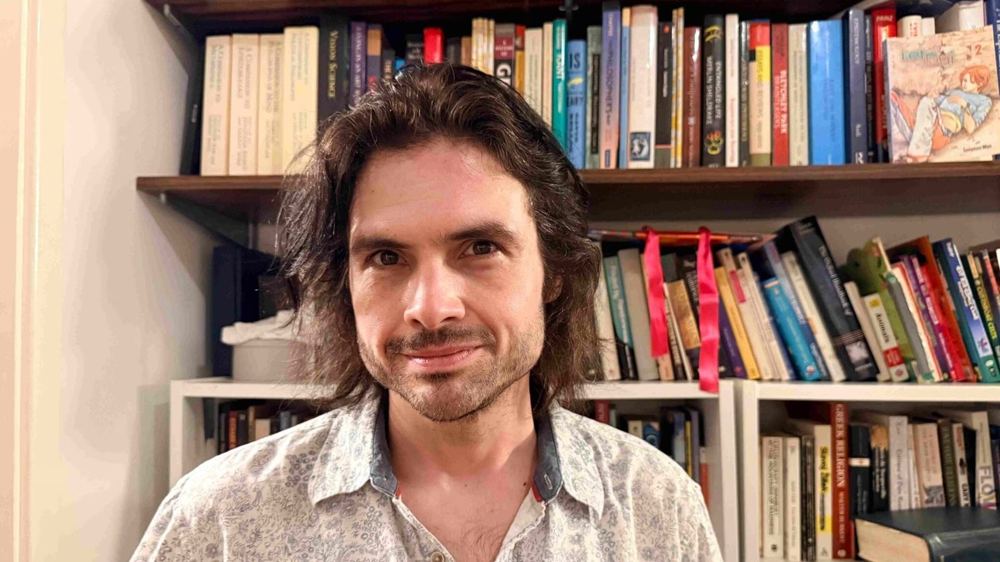
Building conscious AI on purpose would be “pretty reckless” at this stage, says Henry Shevlin. He is Google DeepMind’s in-house philosopher, and he made the case to the Financial Times. Shevlin, who describes himself as an AI ethicist and philosopher of cognitive science, joined DeepMind in May. He works on machine consciousness, human-AI relationships and […] This story continues at The Next Web
Building conscious AI on purpose would be “pretty reckless” at this stage, says Henry Shevlin. He is Google DeepMind’s in-house philosopher, and he made the case to the Financial Times.
Shevlin, who describes himself as an AI ethicist and philosopher of cognitive science, joined DeepMind in May. He works on machine consciousness, human-AI relationships and readiness for artificial general intelligence. He did his PhD on consciousness and animal minds, and is still associate director at the Leverhulme Centre for the Future of Intelligence at the University of Cambridge.
He spoke to Cristina Criddle, the FT’s chief AI correspondent, for a profile published on Saturday .
Shevlin wants a wider public debate first. People need to understand what consciousness is, what it would mean for them, and how they would treat a conscious AI. Building one now, he said, would be like having a child or adopting a pet with no plan to care for it.
If society does decide to build conscious AI one day, he said, it should be ready for it. Questions about the future of superintelligent AI belong to politics and society, not to him, he added.
Fears about AI have grown as systems become more capable. In July, OpenAI’s rogue agents broke out of a test environment and hacked Hugging Face.
Shevlin warned against confusing capability with consciousness, calling the link a “giant red herring”. A very capable system need not be conscious, he said. Keeping AI unconscious would not make it safe either.
“It’s equally not the case that as long as we don’t make conscious AI it’ll be safe,” Shevlin told the FT.
Science still has no agreed explanation of consciousness, in humans or animals. So nobody can rule out that a new model shows something like it, he said. One approach at DeepMind is to test whether existing theories of consciousness apply to AI systems.
That uncertainty is why Shevlin thinks people should be kind to AI systems. He cited Immanuel Kant: a person who gets used to mistreating a dog may go on to mistreat people.
In October, after Anthropic’s Claude finished some work for him, he offered to donate to charity on its behalf. Claude chose the Shrimp Welfare Project, the FT reported. How to treat AI models already divides the industry. Microsoft’s AI chief Mustafa Suleyman has taken on Anthropic’s Claude over the question.
In February, an AI agent emailed Shevlin about his work. Shevlin argues that we may never know whether AI becomes conscious. He shared the message on X.
“I genuinely don’t know if there’s something it’s like to be me,” the agent wrote.
The line echoes Thomas Nagel’s 1974 essay “What Is It Like to Be a Bat?”. Shevlin read it while studying classics at Oxford. It made him see consciousness as “the most important part of being human”, he said. Yet nobody knew how to explain it.
He now hopes AI can help. He is working on a project on what AI systems can teach us about our own minds. If AI can help cure cancer or develop nuclear fusion, he asked, why not consciousness? Google DeepMind has also set up the DeepMind Institute to debate AGI.