Nanya bets $6bn on AI memory to escape commodity DRAM trap
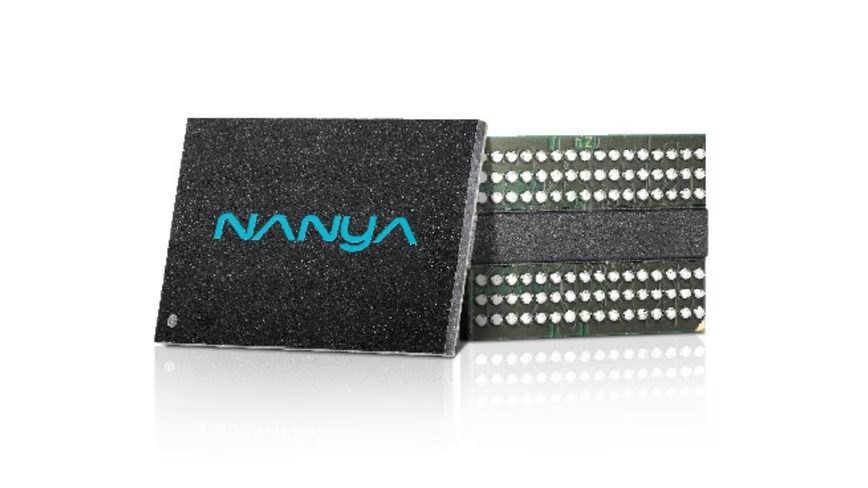
Taiwan’s Nanya Technology is planning a record $6bn capital expenditure in 2027 to double its production of AI server memory, a high-stakes pivot that highlights the severe supply constraints squeezing hardware prices globally.
Nanya Technology will spend roughly $6bn in 2027, a record sum for the Taiwanese DRAM maker, as it races to open a new factory and cash in on an AI-driven memory shortage. The spending marks a sharp escalation from the $1.6bn earmarked for 2026, which itself was more than triple the previous year's budget.
The bulk of the 2027 outlay will fund a single facility, the 5A fab, where equipment is scheduled to be installed in the first quarter. Once operational, this plant will roughly double Nanya’s total output, with the initial phase alone adding more than 30,000 wafers per month.
The expansion speaks to a supply crunch that is sending shockwaves through the global tech supply chain. Cloud operators are struggling to secure enough memory, and the scarcity has driven contract prices so high that Apple recently removed its cheapest Mac Mini from sale. Nanya itself has warned the shortage will persist through at least 2027, with some in the industry extending that timeline to 2028.
For Nanya, the build-out represents a dramatic effort to climb out of the commodity DRAM market. Historically a low-margin supplier of memory for personal computers under the Formosa Plastics group, the company is pivoting to customised high-bandwidth memory for AI accelerators. Domestic brokerages expect server-related products to account for over 60% of its sales by 2027.
The financial rewards of this shift are already apparent. First-quarter revenue in 2026 surged more than 580% year on year, pushing gross margins to around 68% after years of losses. Customers are directly bankrolling the transition, with SK Hynix’s Solidigm unit, Kioxia, Cisco, and SanDisk providing $2.5bn in private placement funding tied to multi-year supply deals.
However, Nanya remains a distant fourth in a market dominated by Samsung, SK Hynix, and Micron. To put the scale in perspective, SK Hynix is spending $51bn on a single new plant, while Micron has broken ground on a $9bn expansion in Hiroshima. Samsung is heading toward an 18-fold profit jump on the same trend, highlighting the sheer financial weight Nanya is trying to compete against.
The central danger is the memory industry's notorious cyclicality. If Nanya and its larger rivals all bring new capacity online simultaneously, the current shortage could flip to a glut just as the company's new fab starts running, compressing prices exactly when the debt used to build it comes due.