Meta launches pilot for StoryKit AI bedtime story app
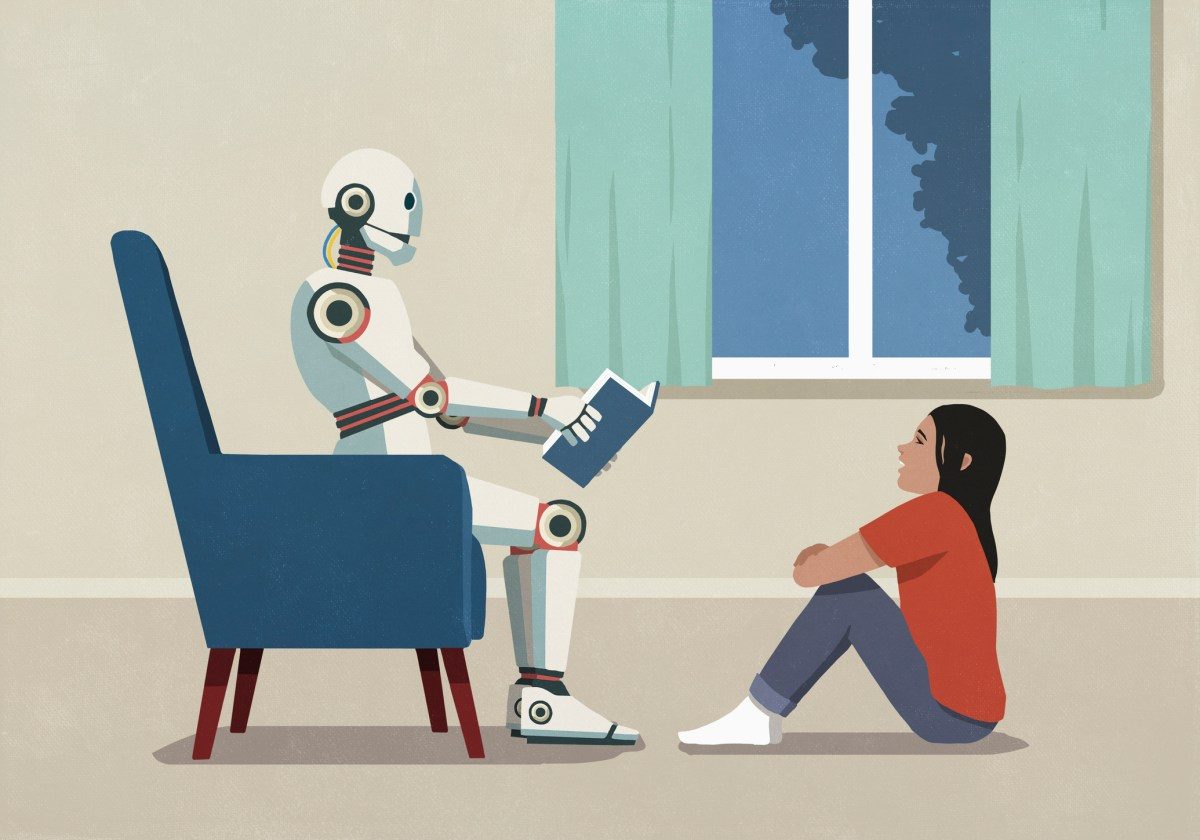
Meta's StoryKit app is only available in certain regions while the company tests how parents react to it.
Meta has confirmed it is piloting StoryKit in select countries after the application recently appeared on the App Store. The software uses artificial intelligence to generate complete children's stories, allowing users to customize characters, settings, life lessons, and background music.
To build a narrative, parents can snap a photo of a child's favorite toy or person to bring them to life as a character within the app. The user then describes the story's world and selects a specific moral lesson. As the App Store listing notes, this allows parents to "weave in values like kindness, courage, or empathy without it feeling like a lecture."
A Meta spokesperson described StoryKit as a "creative storytelling app used to craft personalized, imaginative storybooks for children." The company has built the product with strict technical parameters. It incorporates AI safety filters, explicitly excludes any social networking features, and restricts access entirely to users over the age of 18.
A new frontier for consumer AI
The release highlights how major technology companies are searching for everyday consumer applications for large language models. By explicitly targeting time-poor parents, Meta is attempting to carve out a distinct niche in the family entertainment and digital parenting market. The app’s core pitch is efficiency: "You don’t need to write a single word."
Humans have historically drawn from mythology and fables to tell stories, a tradition that predates modern technology. StoryKit proposes a shift away from that human-driven tradition, replacing spontaneous imagination with an algorithm that calculates a predictable response to a user prompt.
For investors, StoryKit represents another tangible step in Meta's ongoing strategy to monetize its massive investments in artificial intelligence infrastructure. For the European public, it highlights a growing tension. As AI tools seamlessly integrate into domestic life, society must decide how much of childhood's intimate, daily routines should be outsourced to a tech giant's servers.