England's Most Mysterious Train Takes Passengers to a 'Ghost Station' in a Hidden Corner of the Country
Alighting at Shippea Hill—where trains stop at a place that doesn’t exist
For a railway station that serves a local population of roughly zero, it was no real surprise to learn that arriving or departing from Shippea Hill posed timing issues that far more punctual and resourceful people than myself would struggle to resolve.
On weekdays, there is one service a day that passes through this implausibly remote part of the Cambridgeshire Fens at just after seven in the morning. There are two services on Saturday and none at all on Sunday. According to the latest available rail passenger statistics, a grand total of 76 people have alighted or boarded at Shippea Hill in the previous 12 months.
I was never destined to be the 77th. Such are the absurd logistics involved in getting from London to Shippea Hill by rail, I reluctantly decided I had no choice but to find this oddest of places by car.
My chief question upon arrival, hours after that early morning loco had trundled past the platform, was this: why on earth is there a railway station here at all, serving, so it would seem, absolutely nobody?
There’s a slew of what enthusiasts call “ghost stations” around the UK . These are railway stations with absolutely minuscule passenger numbers that tend to have, at most, one or two trains a week passing through them.
The main reason for the continued existence of stations such as Elton & Orston, Barrow Haven, and Stanlow & Thronton (why do so many of these all-but-obsolete stations have names that sound like law firms?) is that to completely close a railway station in the UK requires an Act of Parliament.
Such is the bureaucracy involved in this that rail authorities generally decide it’s less hassle to keep these stations open, albeit with a service that could hardly be described as skeletal. I’m drawn to Shippea Hill as it appears to be the most mysterious ghost station of them all. The other ghost stations scattered around the UK do at least seem to be located near where people live. Here, however, I’m surrounded by nothing but flat fields, vast Fenland skies, and the odd passing heron.
If the prospect of lines, crowds, and excessive noise is deterring you from a vacation this summer, then the area around Shippea Hill is the ultimate antidote. This is, without doubt, the most muted, quiescent place I have ever visited in England. All the more so for the fact that there isn’t a settlement or a hamlet, let alone a village called Shippea Hill at all.
Shippea Hill does not have any development in the area, making it a small corner of England ripe with wildlife and pristinely preserved landscapes.
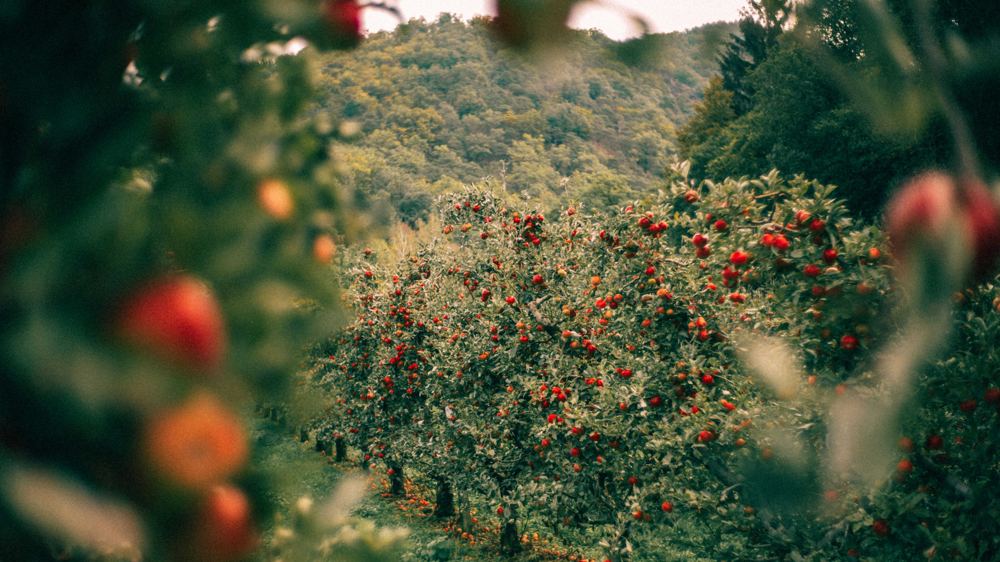
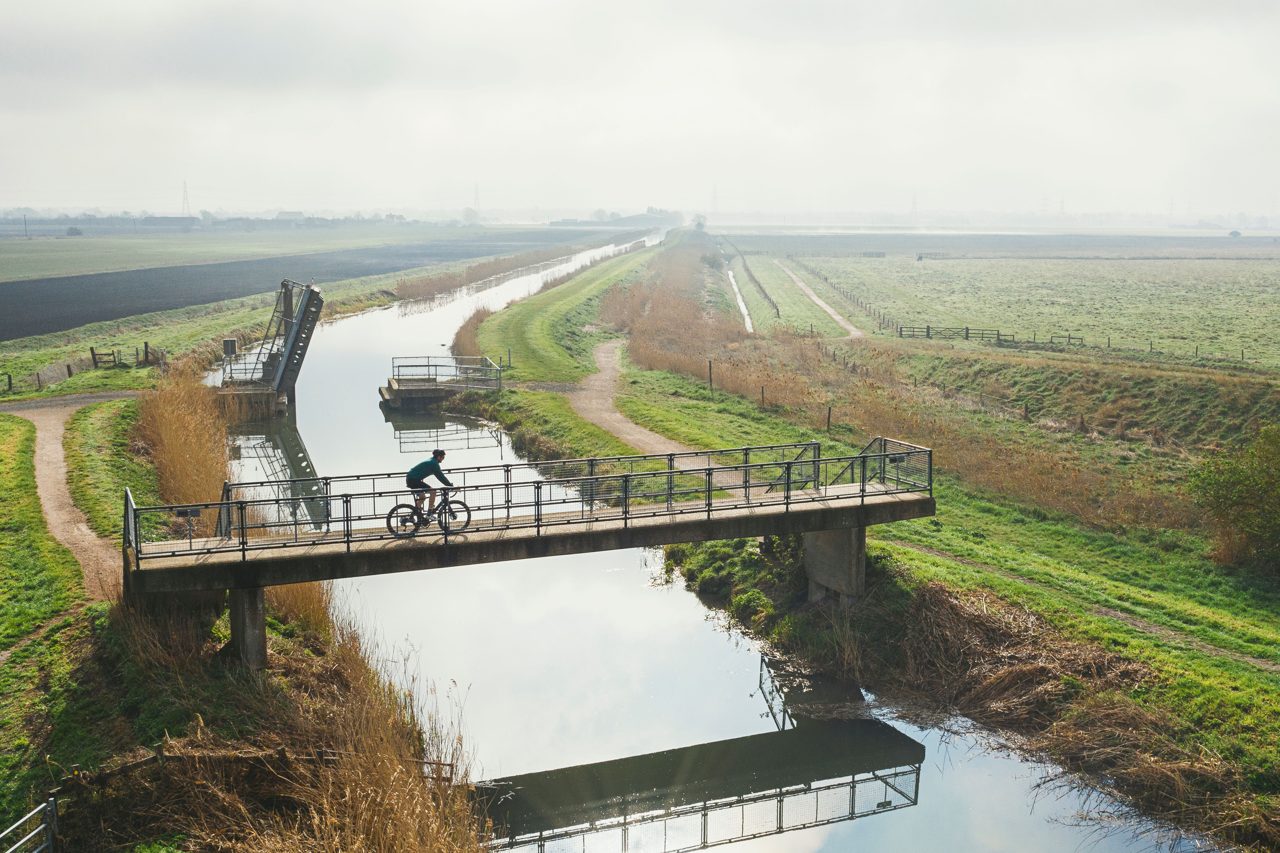
The landscape enveloping me as I wandered around the deserted station was one of black fields, ruler-straight ditches, and skies so wide they seemed to have been rolled out like a faded tapestry. The soil is peat dark, friable, and gravid with potatoes, onions, sugar beet, lettuce, maize, and wheat that moves in dry, whispering sheets.
I immediately struggled to get any accurate measure of distance or time. A line of Lombardy poplars in the distance didn’t seem to get any closer, no matter in which direction I turned. If there was anyone to ask, then I would have enquired about why on earth there’s a railway station anywhere remotely near this landscape.
But there wasn’t a soul. So I was forced to resort to the history book in the back seat of the car, which told me that Shippea Hill station opened in 1845 and was built primarily as a freight depot for produce rather than a passenger stop.
One long-standing, though possibly apocryphal, explanation for the station’s existence is that potatoes grown on the lighter soils around Shippea Hill commanded better prices than those labeled as coming from the nearby, far less flavorsome place name of Burnt Fen. Maps from the early 20th century show tramways pushing out from the station yard into the fields, hauling the produce of this engineered landscape towards the wider world.
Engineered is the key word here; as this surreal, forlorn, and oddly captivating Fenland looks as it does due to drainage, sluices, embankments, pumps, and the long-running human argument with water.
After the last Ice Age, rising seas and poor drainage helped create wetlands and peat. For centuries, this was a world of reeds, sedge, eels, wildfowl, mist, and danger. Then came the improvers, adventurers, and engineers, including the Dutchman Cornelius Vermuyden in the 17th century, determined to turn wetness into acreage.
The English fens are a historically overlooked ecosystem in the country.
They succeeded, in one sense, magnificently. The Fens became some of the most productive farmland in Britain. They also created a landscape that seems permanently haunted by what was removed from it.
But some of the original Fen landscape has been retained. After searching in vain for a solitary farmhouse with the name Shippea Hill (it turns out that it’s nearly two miles away from the railway station), I eventually stumbled upon Wicken Fen, a 600-acre reserve owned by the National Trust that offers a glimpse of how the Fens used to look.
Here, I ambled past reed beds, lazy waterways, willow, buckthorn, and even a white-sailed, black timber windmill (actually a wind pump used for raising water from the drainage channel) with only the odd dragonfly and some marsh harriers for company.
Boardwalks carry visitors (though I didn’t see anyone else while I was there) through this remnant of undrained fen which hums, clicks, and rustles with the complicated business of life in damp places.
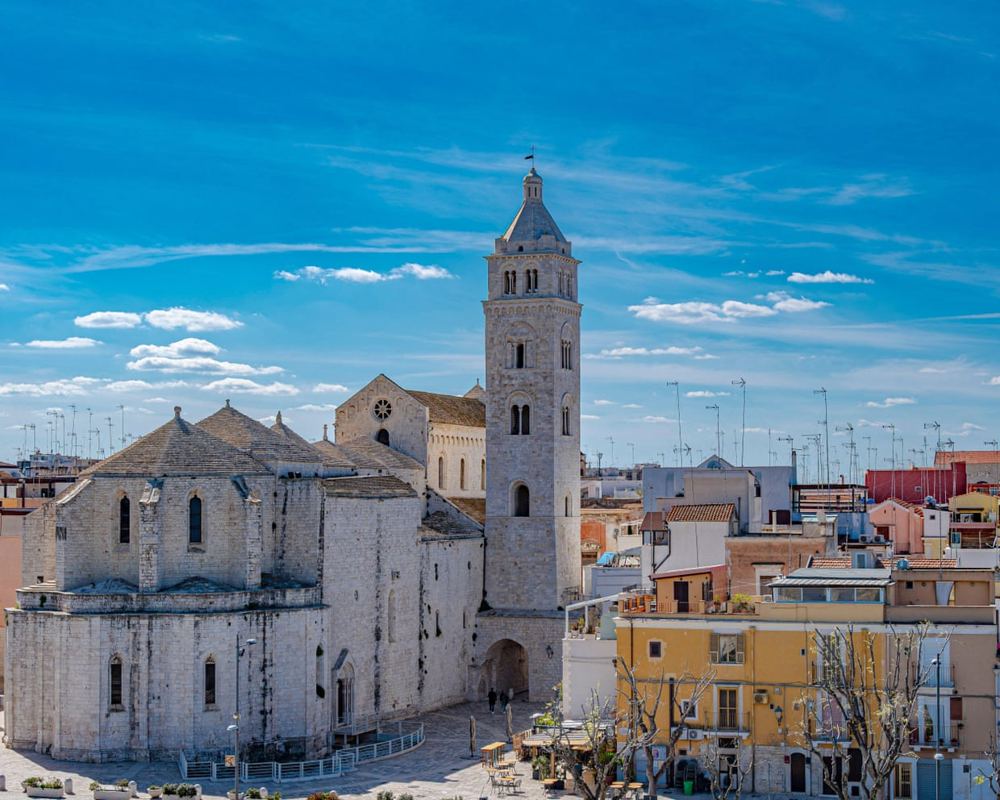
It’s eight miles from Shippea Hill station to civilization, but it feels a lot further. The first person I saw on my journey was doing the same thing as I was; staring upwards at the gargantuan frame of Ely Cathedral, a Norman-era behemoth with an octagonal tower that seems to rise up like a stone Armada from the flatness of the surrounding Fens.
Because closing railway stations require an act of Parliament, “ghost stations” like Shippea Hill are easier to continue maintaining rather than shut down.
It looks like a mirage, but a quick stroll around the narrow streets that gather themselves in its shadow confirms that it is possible to escape the solitude of the Fens without waiting for next week’s train from Shippea Hill.
I ate a lovely salt beef Reuben at the Riverside Bar and Kitchen. I browsed around the shelves of the wonderfully esoteric Topping & Company bookshop. I spotted posters for a Country and Western festival and was cajoled by one local to visit Ely’s first sake bar next time I was in town. Urban life, albeit of a relatively genteel hue, was embracing me again. But my mind kept winding back to the platform at Shippea Hill station.
There is something wonderfully, absurdly British about taking a train to a place that isn’t there. The days of freight trains full of cabbages and potatoes bound from Shippea Hill to London each morning are long gone now, leaving nothing at all bar an automated crossing and the loneliest station platform in England.
Only in Britain could a station that appears to be a useful piece of infrastructure for nobody (except, possibly, the person who resides in one farmhouse two miles away) continue to exist. But it feels apt that the loudest sound this part of the Fens will hear each day is all over by half past seven in the morning.
For another 24 hours, Shippea Hill will return to silence, a state of being that it seems wrong to disturb too much.