UK border rule leaves dual nationals stranded in EU
The dual national, who missed six weeks of school, is latest of several children affected by recent Home Office policy A British girl was prevented from returning to her school in the UK for six weeks after a trip to see her grandmother in Italy because of the Home Office’s new rule requiring dual British nationals to have a British passport to get back into the country. The 15-year-old, who was stranded in Rome in April, is just the latest of a number of children and young adults hit by a new Labour government rule that came into force in February. Continue reading...
A 15-year-old British girl was trapped in Rome for six weeks in April after being barred from her flight home under a new UK government rule requiring dual nationals to present a British passport to enter the country.
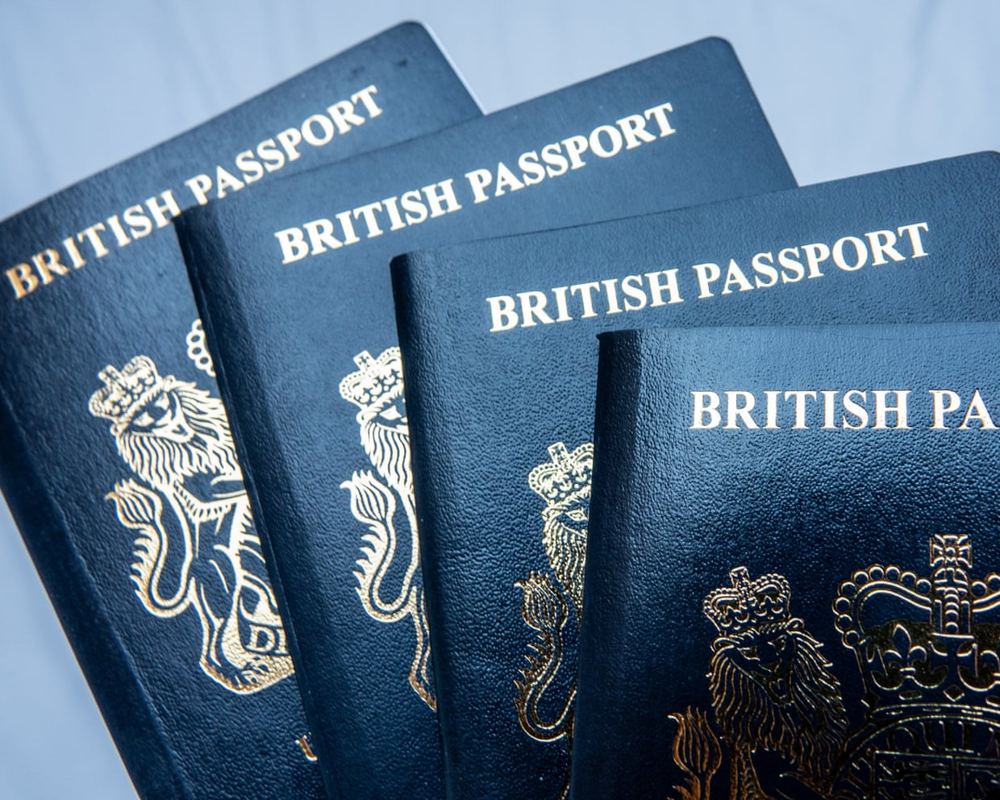
The regulation, introduced by the Labour government in February, forces airlines, trains and ferries to deny boarding to dual citizens who cannot produce a valid or expired British passport, or a £589 certificate of entitlement. For European transport operators, the policy effectively outsources border control to carrier staff, creating fresh friction for passengers traveling between the EU and the UK.
The Rome case is not isolated. Other dual nationals, including a young woman returning from Spain and children traveling from Denmark, have been caught by the same rule. The Home Office has faced accusations of failing to adequately communicate the change to the public or to the travel companies that must enforce it.
The stranded teenager, who lives in the UK, was visiting her grandmother when the new rules blocked her return. Her school wrote to government departments expressing deep concern over her prolonged absence, but the Home Office initially refused to issue a temporary passport because she did not already possess a British one.
Rowan Somerville, the girl’s father, described a bureaucratic deadlock where the embassy, Home Office and Foreign Office deflected responsibility. “They are playing with people’s lives, a child’s education. It is loathsome,” he said. Somerville noted that it took another three months to secure an actual passport, despite the government website estimating a three-week processing time.
The administrative failures continued even after the immediate crisis. Somerville recounted receiving a call from a senior official stating they could no longer speak to him because his daughter had turned 16. “I told them I had spoken to 14 different people in their office and, instead of resolving the complaint, they were phoning me to tell me they couldn’t speak to me. It beggars belief,” he said.
Intervention by local MP Joe Powell eventually secured an emergency travel document from the Foreign, Commonwealth and Development Office in May. Powell said he is writing to Immigration Minister Mike Tapp to prevent further schoolchildren from being stranded, warning that the case highlights systemic failures in how departments communicate policy changes.
The Home Office rejected claims of poor communication, arguing the rule was published on its website. A spokesperson said the emergency document was issued in May and a full passport followed eight days after the required information was received. The department maintained that carriers cannot verify British citizenship without the specified documents.