World Cup viral trends reveal shifting economics of football media and tourism
From influencer broadcasting deals to cross-Atlantic fan tourism, this summer’s tournament demonstrates how digital culture is reshaping football’s commercial and public value.
This summer’s World Cup has generated a wave of viral moments that extend far beyond the pitch, revealing significant shifts in how football is consumed and monetised. From influencer broadcasting deals to unexpected boosts in international fan tourism, the tournament’s cultural footprint is directly impacting the sport’s commercial landscape.
The most striking commercial development is the formal integration of digital creators into traditional broadcasting. Internet personality IShowSpeed, who boasts 52 million followers, secured a special partnership with Fifa to stream official match feeds on his YouTube channel.
This arrangement highlights a strategic pivot by governing bodies to capture younger demographics. As commentator Chris Latchem noted, Fifa values this presence because it attracts legacy stars seeking relevance with younger audiences, culminating in Speed’s scheduled performance at the closing ceremony.
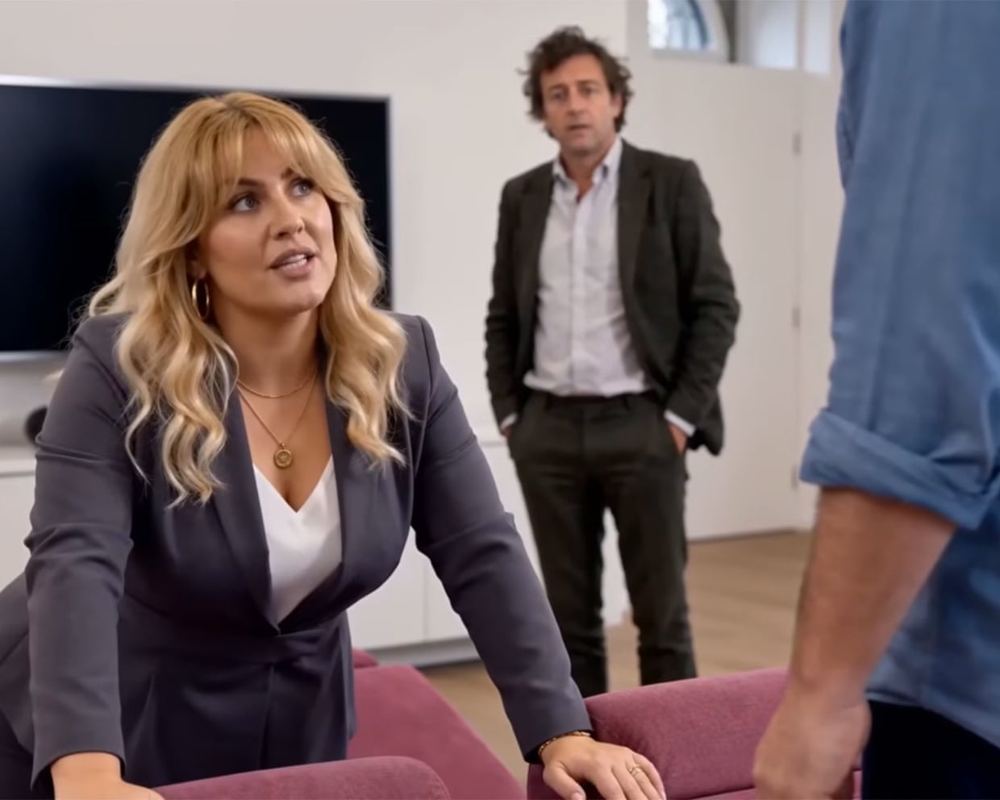
Traditional media outlets are also navigating this evolving landscape. Former Chelsea manager Emma Hayes became a standout pundit for ITV, though the network was forced to upgrade her on-screen tactics area after viewers criticised its initial resemblance to a kitchen.
Hayes wryly addressed the criticism on air, urging viewers to focus on her match analysis. Meanwhile, former presenter Gary Lineker demonstrated the fluidity of modern sports media by taking his podcast, The Rest is Football, to a Netflix studio in Times Square.
Lineker’s ability to seamlessly gate-crash a BBC broadcast via video link, while also appearing on ITV, underscores how top-tier talent now operates across multiple competing platforms simultaneously.
Beyond media, the tournament has delivered measurable public and economic benefits to host cities. Scotland’s supporters, the Tartan Army, left such a strong positive impression in Boston that Mayor Michelle Wu now plans to formalise an international partnership between the city and Glasgow.
The fans’ adoption of local venues, including singing at Fenway Park, generated an atmosphere praised by US baseball players. This demonstrated the tangible economic and cultural value of organised supporter travel.
Player brand value is similarly being amplified by organic digital culture. Norway striker Erling Haaland has seen his profile surge in North America, driven by a cinematic universe of memes and a high-profile advertisement featuring actor Channing Tatum.
This viral attention has translated into thousands of new followers and heightened commercial appeal. It proves that off-field cultural resonance is now a critical metric for player valuation.
Even moments of on-field drama, such as Cape Verde goalkeeper Vozinha’s visa-delayed reunion with his mother, or Jordan Henderson’s freak injury while hurdling an advertising board, rapidly become global narratives. Ultimately, this tournament confirms that football’s greatest commercial assets are no longer just the matches, but the digital and cultural ecosystems surrounding them.