Sateliot seeks €150m to beam 5G to smartphones from orbit

Barcelona-based Sateliot has increased a funding round to €150 million to build a European satellite network that delivers 5G directly to ordinary smartphones, offering telecoms an alternative to Elon Musk's Starlink.
Sateliot is looking to raise up to €150 million, a 50% increase from the €100 million round it outlined in April. The Barcelona-based company plans to deploy 16 additional low-Earth orbit satellites over the next year. By early 2028, it intends to launch larger spacecraft capable of transmitting 5G data, voice, and video straight to standard smartphones.
The shift to consumer devices marks a strategic pivot for the company, which was founded in 2018 to connect industrial IoT sensors and shipping trackers. “A new opportunity has emerged: integrating 5G within a satellite,” chief executive Jaume Sanpera said. Sateliot is developing the direct-to-device technology alongside Telefónica and holds agreements with other network operators to extend coverage into remote areas.
The startup has yet to secure a lead investor for the expanded round. It is considering raising the additional €50 million through debt and expects up to half of the total funding to come from public co-financing.
A European alternative to Starlink
The fundraising reflects a broader push in Brussels to build sovereign satellite infrastructure and reduce reliance on foreign networks. The European Space Agency is deploying €22 billion over three years, while the European Commission has proposed reserving airwaves suited for direct-to-device communication specifically for domestic companies.
Sateliot is positioning itself in a gap left by IRIS², the flagship European constellation led by Eutelsat, SES, and Hispasat, which will initially prioritise broadband over direct-to-phone links. Competitors are moving fast, with Amazon’s Project Kuiper scaling up and the Vodafone and AST SpaceMobile joint venture pursuing a similar service. However, AST SpaceMobile's 50% US ownership makes its eligibility for the newly reserved European spectrum uncertain.
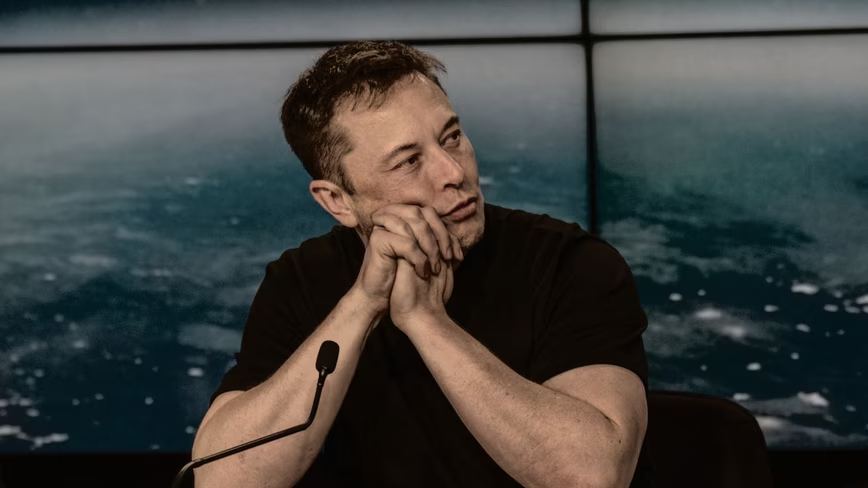
For European telecoms, Sateliot offers a way to extend coverage without routing traffic through a network controlled by Elon Musk, particularly as Starlink continues to raise prices. For investors, the company is betting that domestic carriers will pay a premium for a homegrown alternative that integrates seamlessly with existing mobile networks.