Hungary ends president's term, overhauls fiscal oversight
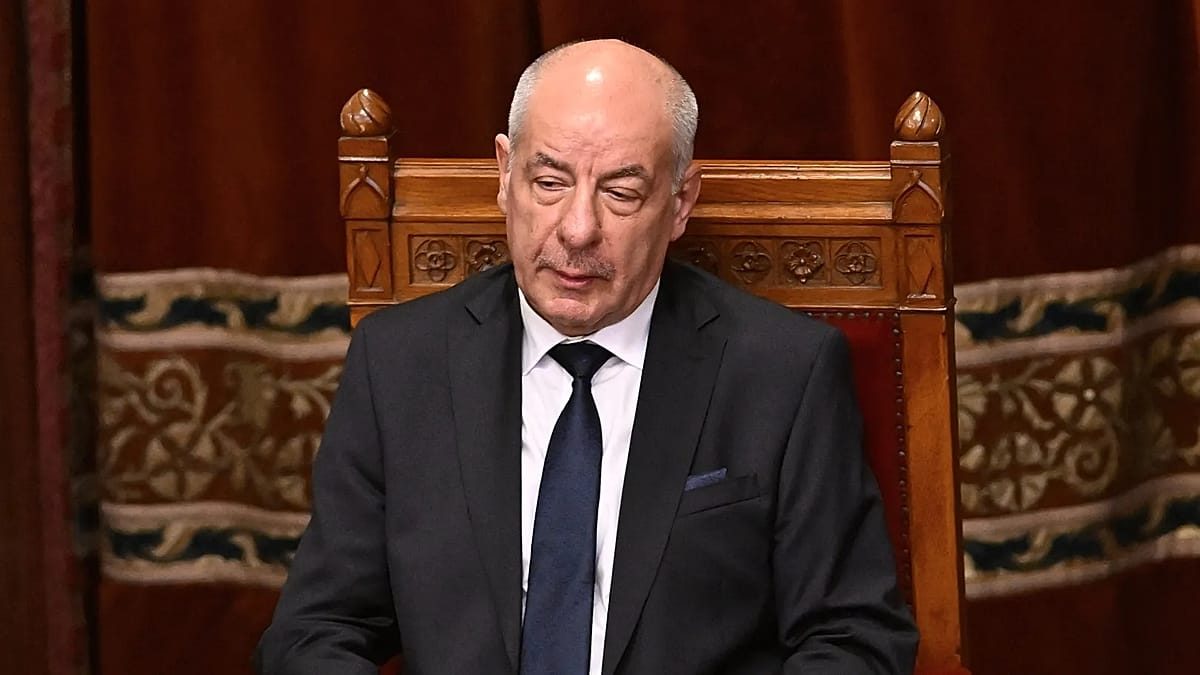
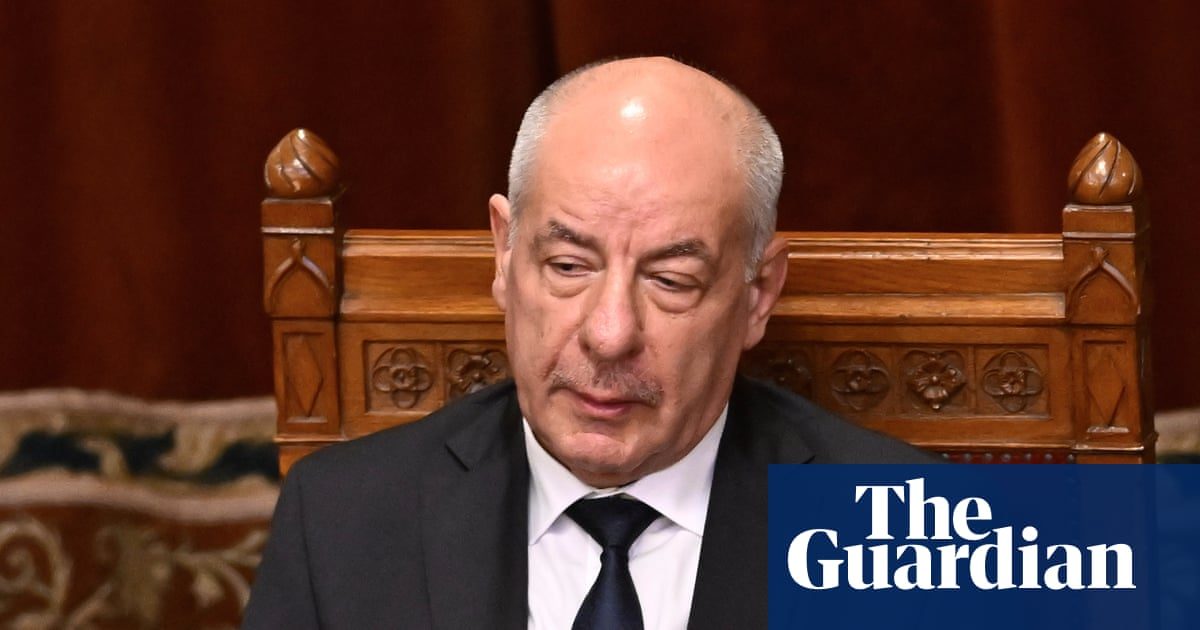
Hungary's parliament has ousted President Tamás Sulyok through a constitutional amendment that also restores judicial review of state finances and strips the central bank of special legislative protections, fundamentally altering the country's investment and regulatory landscape.
President Tamás Sulyok signed the seventeenth amendment to Hungary’s Fundamental Law on Saturday, a move that immediately terminates his own mandate. Under the new rules, National Assembly Speaker Ágnes Forsthoffer will serve as interim president until parliament elects a successor. The amendment paves the way for a completely new constitution to be drafted within the next five years.
Sulyok condemned the legislation, calling it an "unprecedented and shameful historical example of abuse of political power," though he acknowledged that refusing to sign would itself be unlawful. "The core values of a free society – the rule of law, democracy and the principle of the separation of powers – have been trampled underfoot," he said. The amendment was submitted by Prime Minister Péter Magyar, whose Tisza Party won a two-thirds majority in April and had demanded the resignations of officials tied to the previous Orbán government.
For markets and businesses, the most significant changes concern the overhaul of fiscal and judicial oversight. The amendment restores the Constitutional Court’s power to review legislation related to the central budget, taxes, and social contributions—a critical check on fiscal policy that was removed in 2013. The overhaul also forces out Constitutional Court President Péter Polt and three other judges by imposing a maximum age of 70 and shortening terms to nine years.
The legislation further alters the operational independence of key economic institutions by stripping them of cardinal law protection. The Hungarian National Bank, the State Audit Office, and the basic rules governing taxation and pensions can now be modified by a simple parliamentary majority rather than a two-thirds supermajority. The requirement for the Budget Council to give prior consent to the state budget has also been abolished.
Additionally, the statutory definition of "public money" has been repealed, with lawmakers arguing the previous wording restricted the interpretation of state finances and limited freedom of information. The government is simultaneously establishing a National Asset Recovery and Asset Protection Office to trace public assets handled unlawfully. Operating independently as a public prosecutor, this new office will directly enforce the state’s criminal claims regarding public funds.
Passed by a vote of 139 to six with Fidesz and KDNP boycotting the session, the amendment represents a rapid restructuring of Hungary’s state apparatus. Alongside the economic measures, it introduces a 12-year limit on parliamentary mandates and allows for the recall of Supreme Court and National Judicial Office presidents. Parliament will now begin broad consultations to draft a new constitution to replace the modified Fundamental Law.