Europe looks beyond lithium to sand and liquid air for grid storage
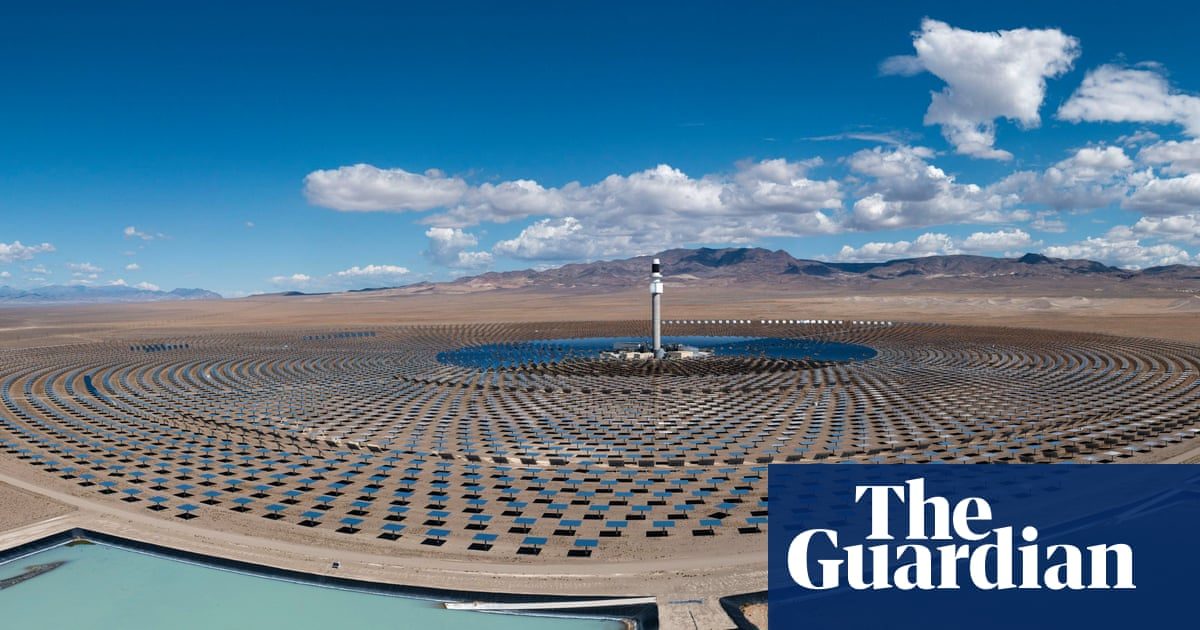
European nations are deploying liquid air, molten salt and sand storage systems to stabilize power grids and decarbonize industry without relying on critical minerals like lithium and cobalt.
Three European countries are racing to build a new generation of grid-scale energy storage that could fundamentally alter how the continent balances its power networks. Projects utilizing liquid air in the UK, molten salt in Denmark and crushed soapstone in Finland are moving from experimental phases to commercial deployment.
These alternative technologies share a crucial advantage over traditional lithium-ion systems: they do not require critical minerals such as lithium, cobalt or nickel. Many of these systems can also be charged and discharged indefinitely over a 20-year service life before being recycled, easing both supply chain anxieties and environmental concerns.
Liquid air powers UK grid
In Trafford, the British startup Highview Power is constructing a cryobattery on the site of a former coal plant. The facility captures surplus renewable energy to cool air to -196C, reducing it to a liquid one-700th of its original volume. When electricity demand and market prices rise, the liquid is allowed to expand back into a gas, driving a turbine to generate power without the emissions typical of gas-fired plants.
Slated to begin operations by the end of the year, the Carrington project will deliver 50MW of output for six hours from its 300MWh storage capacity. That is sufficient clean energy to power almost half a million homes. Andy Burnham, the former mayor of Greater Manchester, said the development of the Trafford green cluster could mean "this decade is the most exciting since the Victorian period for Greater Manchester".
Heat storage targets heavy industry
Denmark is applying similar principles to decarbonize heavy manufacturing rather than just the power grid. Earlier this year, the leading wind power nation unveiled a 1GWh molten salt battery project. The system heats salts to approximately 600C using clean electricity, storing the thermal energy for up to two weeks before circulating the hot salt through a generator to produce high-temperature steam for industrial processes.
In southern Finland, the town of Pornainen is using heat storage to eliminate fossil fuels from its local heating network. A sand battery utilizing 2,000 tonnes of crushed soapstone provides 1MW of thermal power and 100MWh of storage capacity. Standing 13 metres tall and 15 metres wide, the system is 10 times larger than a previous version launched in 2022. It stores summer heat to cover almost a month of local demand, allowing the district to end its use of oil entirely and reduce wood chip consumption by about 60%.
Together, these projects demonstrate that Europe's energy storage strategy is expanding well beyond electrochemical batteries. By turning to abundant materials and thermal physics, grid operators and industrial firms can secure long-duration clean energy reserves while avoiding the geopolitical vulnerabilities of the global lithium supply chain.