Spain's coaching export cements Europe's World Cup dominance
Spain's systematic coaching philosophy has transformed the World Cup into a showcase of European structural dominance, proving the continent's club ecosystem now dictates the global game.
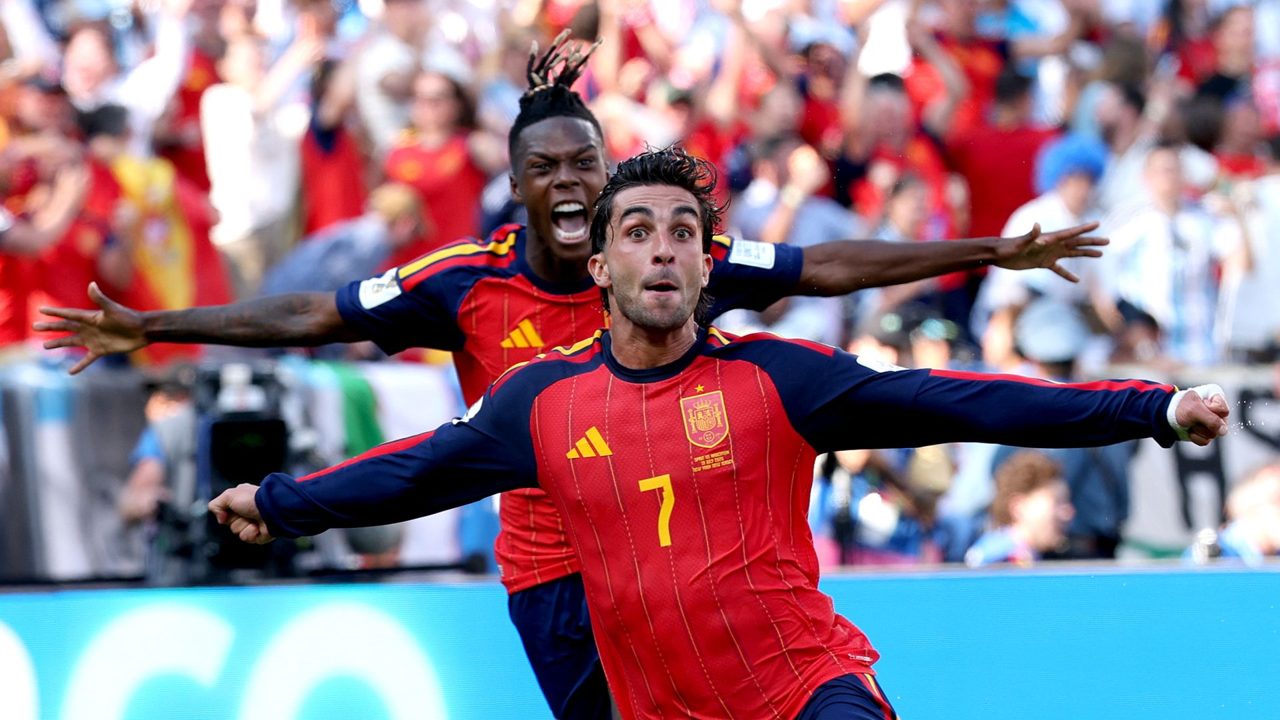
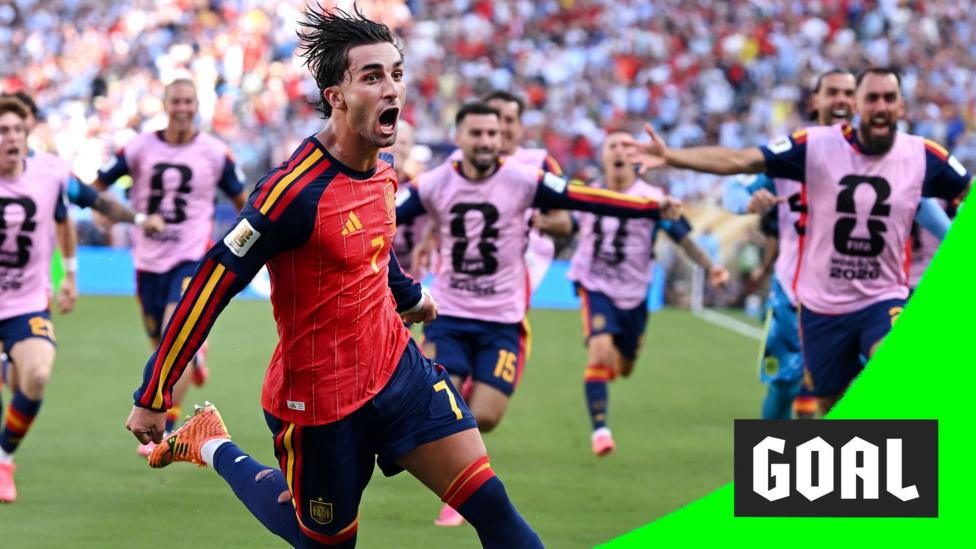
Spain will face Argentina in the World Cup final, a matchup that underscores a broader continental supremacy. Six of the eight quarter-finalists were European, and 84 of the 88 players who started in those matches were under contract with European clubs last season.
This is not merely a sporting statistic; it is a reflection of economic and structural gravity. Every goal-scorer for winning teams in the knockout rounds, barring one penalty, plays for a club that has reached a Champions League final in the past decade. That list includes Real Madrid, PSG, Arsenal and Liverpool, proving Europe's top-tier leagues function as the world's only reliable factories for elite excellence.
At the centre of this dominance is Spain, the continent's leading cultural exporter. The nation has won three of the past five European Championships and is the most successful country in European club competitions this century. Built on the 4-3-3 formation, ball-oriented defending and technical combination play, this ideology originated with Johan Cruyff and was refined by tactical purists like Pep Guardiola and Unai Emery.
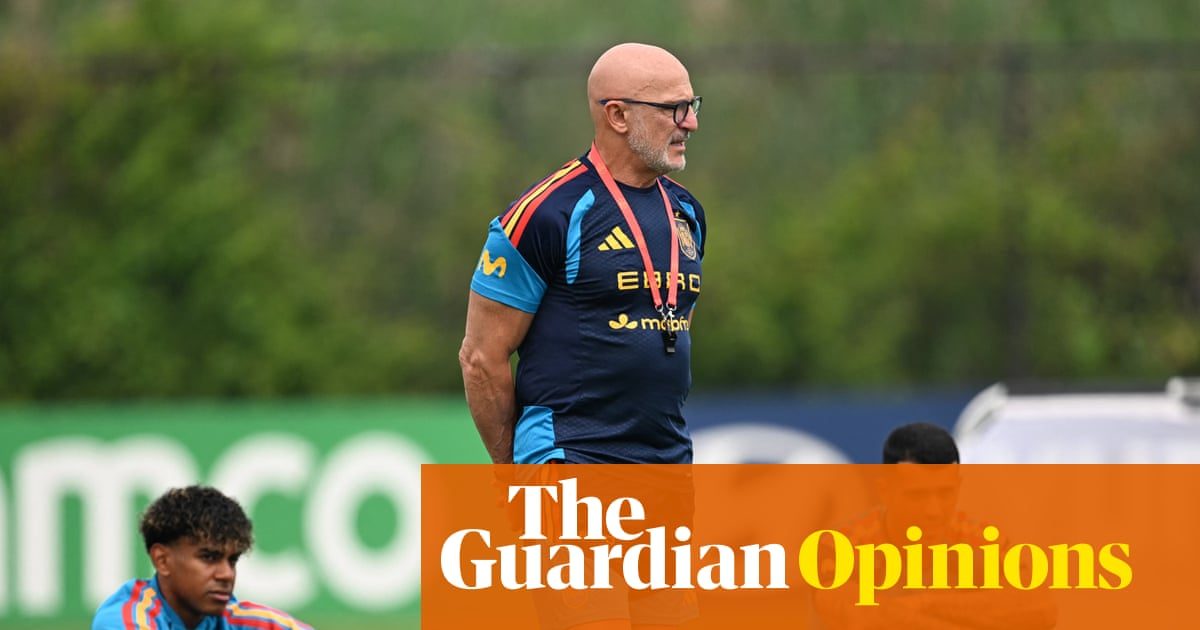
Spain now exports this intellectual property across borders. Spanish coaches are in high demand globally, shaping teams from Paris Saint-Germain to the Argentine national side. Luis de la Fuente, Spain's head coach, is a product of this youth development pipeline. Fittingly, his final opponent, Argentina's Lionel Scaloni, learned his trade as an assistant in Spain under De la Fuente.
The tournament confirms that global coaching methods are not diversifying, but aligning with this European elite. Nations lacking historic talent pools, such as Canada, the United States and Ghana, are hiring coaches with European experience. Even Brazil has turned to Carlo Ancelotti. Morocco, set to co-host the 2030 World Cup, rely entirely on players trained in European academies to mimic the tactical structure of the continent's top sides.
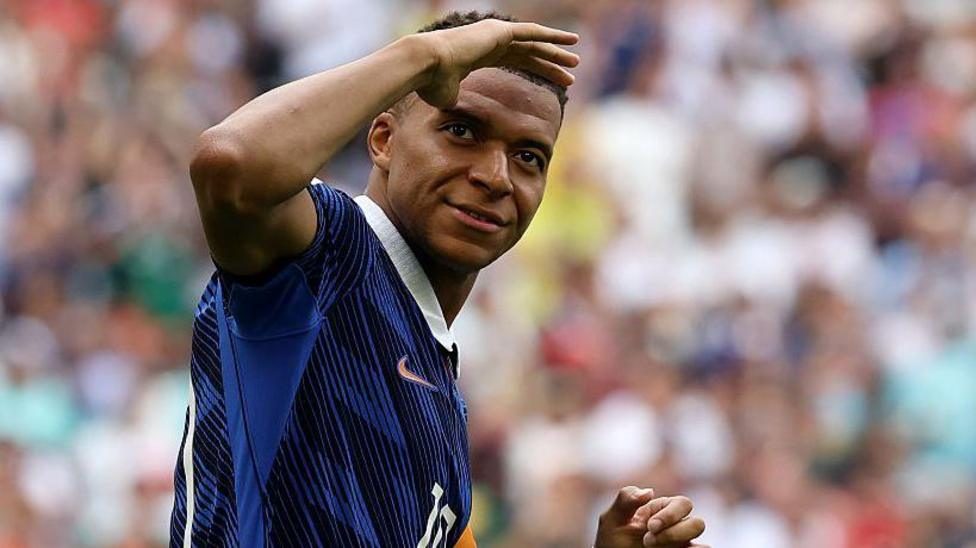
European nations themselves are increasingly unified by the model. France has embraced it, accelerated by Luis Enrique's work at PSG. England's physically imposing squad, built on the wealth of the world's strongest league, still fell to Spain's superior identity in the semi-finals.
Argentina stands as the lone alternative model, prioritising physical duels and defensive security. Yet even their success is intertwined with Europe. For the continent, the tournament serves as definitive proof that its coaching standards and club infrastructure remain the world's most valuable footballing assets.