Smart ring sales surge as women use devices to track early pregnancy
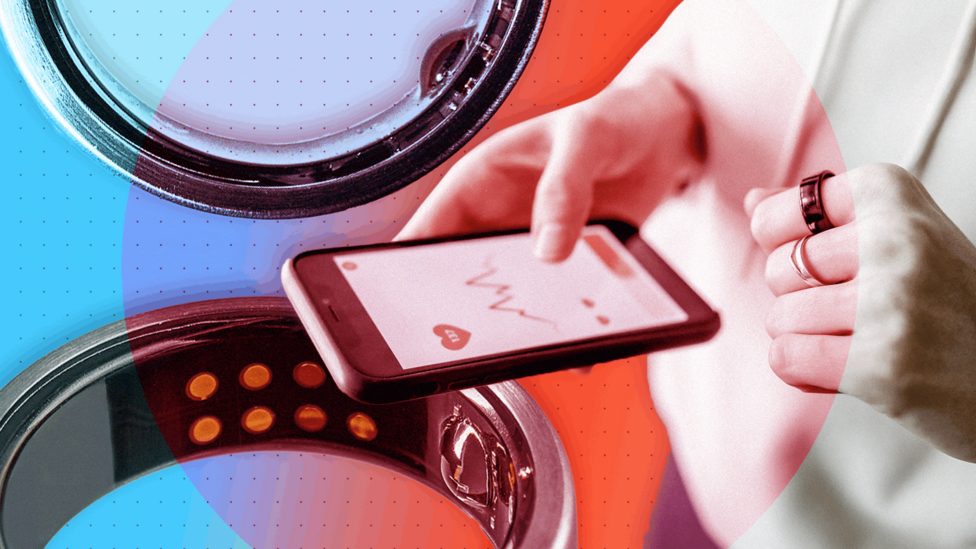
The rapid growth of wearable health tech is pushing smart rings into uncharted medical territory, raising concerns among doctors about reliability and patient anxiety.
Fitness tracker adoption in the UK has nearly doubled since 2019, with 36% of British adults owning and using a wearable device as of January 2026. Alongside this rapid market expansion, a new consumer behaviour has emerged: women are increasingly using smart rings to detect early signs of pregnancy, and sometimes miscarriage, long before traditional tests can confirm them.
The smart ring sector is currently led by Finnish-US company Oura, which holds the highest sales in a market that also includes India-based Ultrahuman and Hong Kong-based RingConn. These devices continuously measure metrics like resting heart rate, heart rate variability and body temperature. Because early pregnancy prevents the typical sharp drop in body temperature that occurs before a period, users are logging into their apps to spot the physiological change.
However, this granular data tracking is having profound psychological effects on users during highly vulnerable periods. Ravika, a 34-year-old solicitor from the West Midlands, said her Oura ring flagged a poor health score before she knew she was pregnant. This led to an exhausting cycle of checking her stats at 4am during an agonising ten-day wait to learn if her pregnancy was viable.
Another user, 32-year-old Sofia, noticed temperature drops in her data before two separate miscarriages, which left her mentally prepared but highly anxious during a subsequent successful pregnancy. She eventually stopped wearing her ring entirely for the first trimester. Ravika, who ultimately miscarried, also said the stats became an obsession that made her rethink wearing a tracker in the future.
Medical professionals warn that consumer tech companies are effectively venturing into unregulated diagnostic territory without the necessary clinical backing. Dr Stuart Lavery, a consultant in reproductive medicine at University College Hospital in London, acknowledged people want early insights but cautioned that the industry is "running before we can walk."
"We probably need a lot more data on the reliability, we need a lot more research," Dr Lavery said, warning that without it, "your levels of anxiety will just skyrocket." He stressed that any wearable-based approach to detecting pregnancy complications should come with a prominent health warning regarding accuracy.
Oura's clinical director of women's health, Dr Chris Curry, noted that pregnancy is inherently uncertain for many women, with or without biometric tracking. She emphasised that the ring is strictly a "support tool, not a replacement for your care team." She added that the company encourages overwhelmed members to take breaks from the app while the device continues to gather data in the background.