Montenegro's €3.2bn accession deal sets EU budget precedent
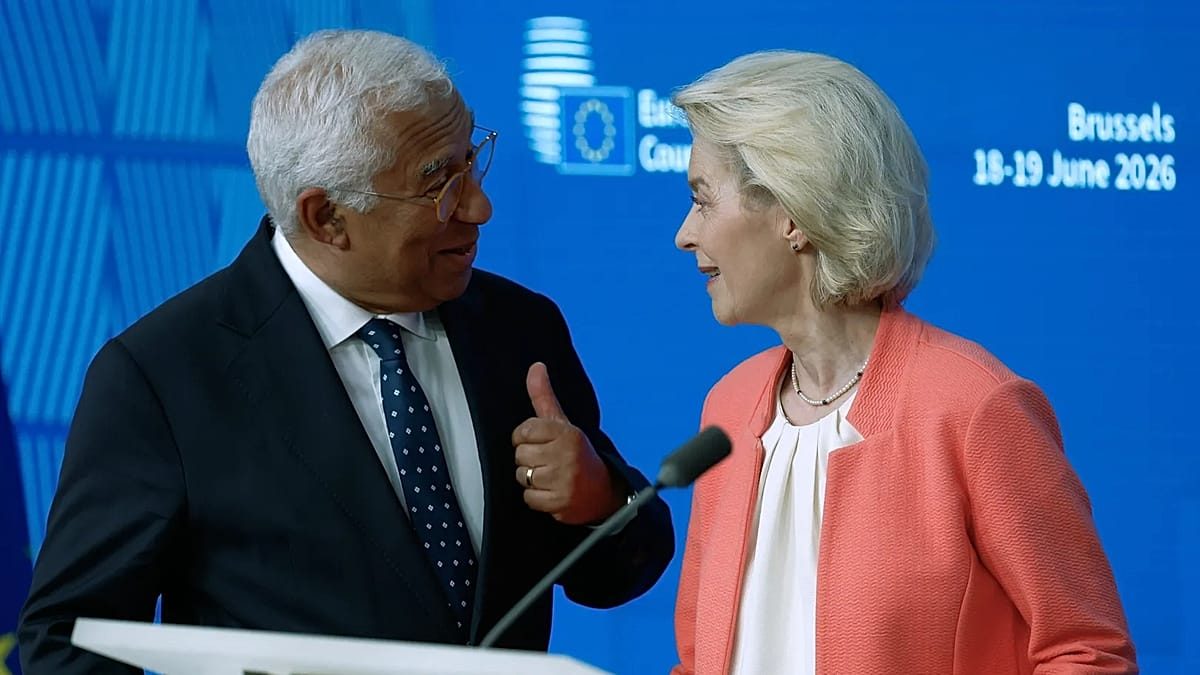
Montenegro’s tiny €3.2 billion accession package is forcing the EU to decide how to fund future enlargement, exposing deep budgetary faultlines ahead of bigger candidates like Ukraine.
The European Commission presented a €3.2 billion financial package last month for Montenegro's accession, sparking a debate that will dictate how the bloc funds its future expansion. While the sum amounts to less than €1 per EU taxpayer, the accounting mechanics behind it have become a flashpoint in negotiations over the next long-term budget.
The dispute centres on how to absorb a new "net receiver" into the EU's nearly €2 trillion finances. "Montenegro's financial package is set to be controversial, not so much because of the money involved but as a matter of principle," an EU diplomat said.
The Commission proposes funding Montenegro's agricultural and regional development by redirecting money from the Global Europe Plan, the development aid programme it currently receives. To ensure these shifts do not reduce the funding available to the existing EU-27, the executive also wants proportional increases for defence and competitiveness programmes.
This puts the Commission on a collision course with "net payer" governments. Frugal states like Germany and the Netherlands are actively trying to reduce the overall size of the EU budget to minimise their national contributions. They are expected to reject new EU-wide taxes to cover Montenegro's costs, pushing instead to redistribute existing resources.
The clash exposes the bloc's deepest economic faultlines. Southern and eastern member states are fighting to preserve cohesion and agricultural spending, while northern capitals want those funds redirected towards defence and economic competitiveness.
The actual monetary impact is tiny, but the structural precedent is immense. Enlargement has gained momentum after stalling since Croatia's 2013 accession, with the Commission noting more progress in the last six months than in the previous decade. However, future candidates like Albania, Moldova and Ukraine will require significantly larger financial architectures.
"Montenegro is a precedent. It should not be, but it inevitably is," a second diplomat said, explaining that member states are using the Montenegrin treaty to anchor their positions in the broader budget negotiations.
The funding formula could also produce a chilling effect on wealthier prospective members. Iceland, which would be a net contributor from the outset, is holding a referendum at the end of August on reopening its suspended accession bid. "The EU will have to be consistent in future accession processes. Which pot the money comes from will be controversial," a source with direct knowledge of the talks said.