Zelensky reshuffles Ukraine cabinet to accelerate Western support
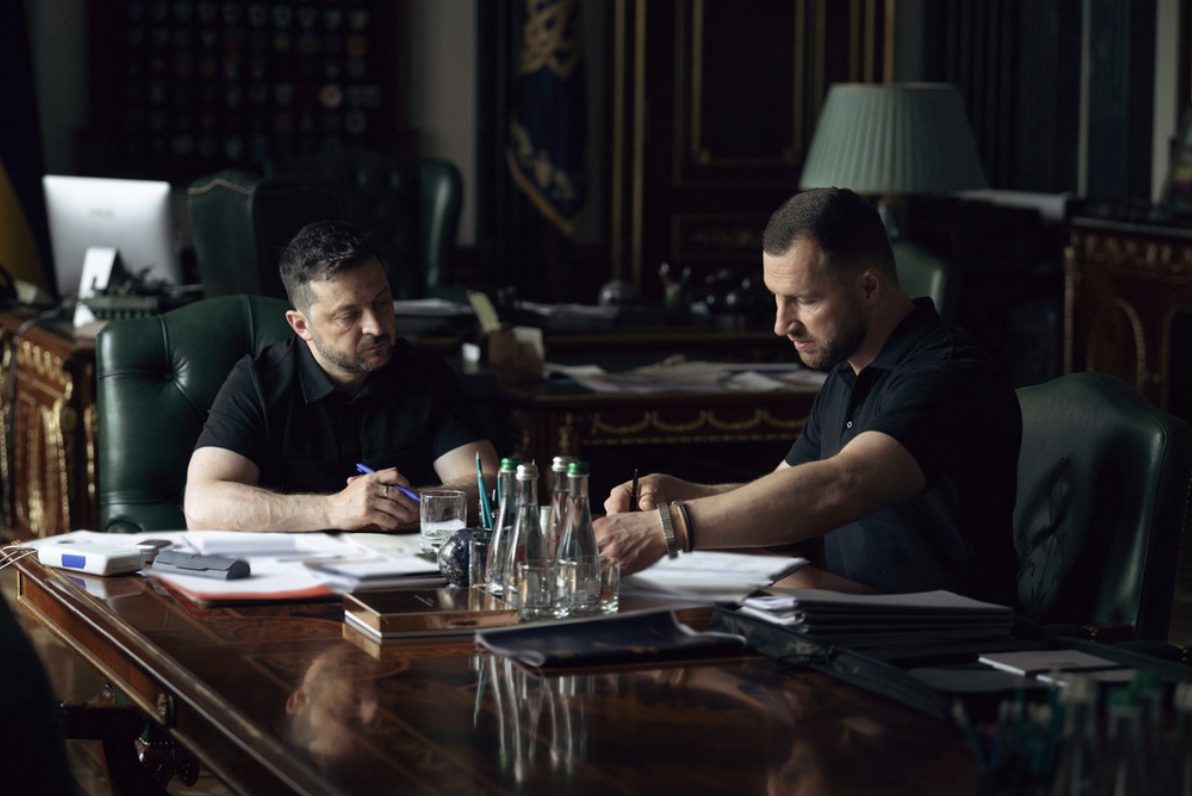
Ukrainian President Volodymyr Zelensky has announced a sweeping cabinet reshuffle, replacing the prime minister and defence minister to pressure Western partners into delivering arms faster and protecting the energy grid ahead of winter.
Ukrainian President Volodymyr Zelensky has announced a sweeping government reshuffle that will replace the prime minister and defence minister less than a year after the last major cabinet overhaul. The changes, confirmed by Zelensky on 12 July, will affect key security portfolios, the diplomatic corps, and ministries handling foreign policy.
Prime Minister Yulia Svyrydenko is set to leave her post before her cabinet marks its first anniversary. She has been offered the role of ambassador to the United States, replacing Olha Stefanishyna, who returned to Kyiv as anti-corruption bodies prepare charges against her. Svyrydenko's departure follows criticism from MPs that she promised the International Monetary Fund the impossible, raising brief concerns about Kyiv's fiscal communication with its international backers.
The frontrunner to replace Svyrydenko is Sergii Koretskyi, the director of state energy company Naftogaz. His potential elevation highlights the government's urgent focus on the energy sector, as Russia is expected to target Ukraine's power grid again in the autumn. Former prime minister Denys Shmyhal, who currently serves as energy minister, is also reportedly in the running.
Defence Minister Mykhailo Fedorov is also expected to be replaced. Political commentator Konstantin Skorkin told the BBC that Fedorov, a technocrat, had developed political ambitions that made him too prominent. Skorkin noted that Zelensky uses such reshuffles to maintain dynamism and avoid stagnation, suggesting the president now needs a "more creative prime minister."
Implications for European partners
The cabinet overhaul carries direct significance for European capitals and defence industries. Zelensky explicitly tied the reshuffle to the pace of Western military aid. “We need a new level of cooperation with our partners to ensure that agreements on arms supplies are fulfilled,” he said, stressing that verbal agreements must be implemented faster.
For European governments and investors, the personnel changes signal that Kyiv is losing patience with the gap between political pledges and actual hardware deliveries. Furthermore, placing an energy executive at the head of government underscores that protecting Ukraine's power infrastructure, a critical factor in preventing another wave of energy refugees into the European Union, will dominate the state's agenda this winter.