Prosecutors raid Orban's Fidesz servers amid Magyar anti-corruption push
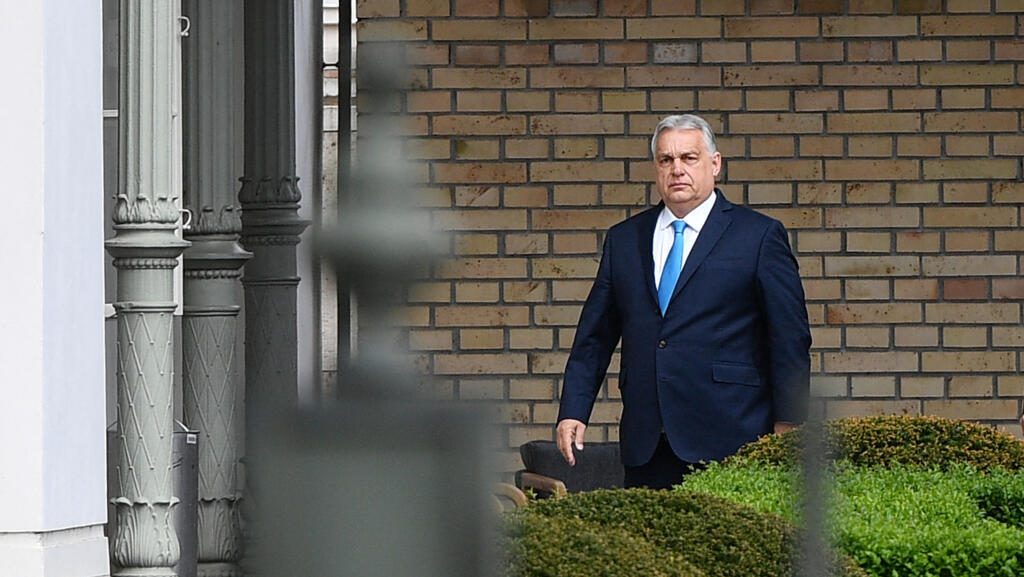
Hungarian prosecutors have raided the data servers of Viktor Orban's Fidesz party, signalling Prime Minister Peter Magyar's aggressive intent to dismantle the entrenched networks of his predecessor and reshape the country's business climate.
Hungarian prosecutors raided the data servers of Viktor Orban's Fidesz party on Tuesday, marking the most aggressive move yet by the new government to unwind the former leader's 16-year grip on power. Fidesz claimed that investigators arrived unannounced at a data centre intending to seize its entire communications system and databases.
The raid represents a dramatic escalation in Prime Minister Peter Magyar's anti-corruption campaign following his landslide election victory in April. For European investors and businesses, the use of state prosecutors against the former ruling party signals a definitive break from an era where watchdogs said corruption had become endemic. Dismantling these networks is a prerequisite for improving Hungary's rule-of-law standing and unlocking its fraught relationship with Brussels.
Magyar's Tisza party won a two-thirds parliamentary majority on a promise of "regime change", immediately moving to pass sweeping anti-corruption measures and constitutional amendments. A key part of this legislative push includes a constitutional change to effectively bar Orban from running again, alongside vows to recover public assets from those who "illegally acquired" them.
Magyar stated on Facebook that he only learned of the raid from Fidesz. "We are awaiting a statement from the prosecutor's office," he added. Fidesz claimed that "there has been no precedent for this in Hungary since 1990, the end of communism," decriing the move as "autocratic".
While Magyar's drive to root out entrenched corruption could unlock frozen EU funds and stabilize Hungary's economy, the seizure of a political party's data infrastructure carries significant institutional risks. The aggressive tactics mirror the very methods critics once levelled against Orban, raising questions about the separation of powers. The clash sets the stage for a protracted legal and political battle as Hungary attempts to transition from Orban's self-styled "illiberal" democracy back into the European mainstream.