Ukraine sea drone war risks global wheat and oil crisis
Ukraine's systematic destruction of Russia's shadow fleet is crippling Moscow's logistics and threatening to remove millions of tonnes of wheat from global markets.
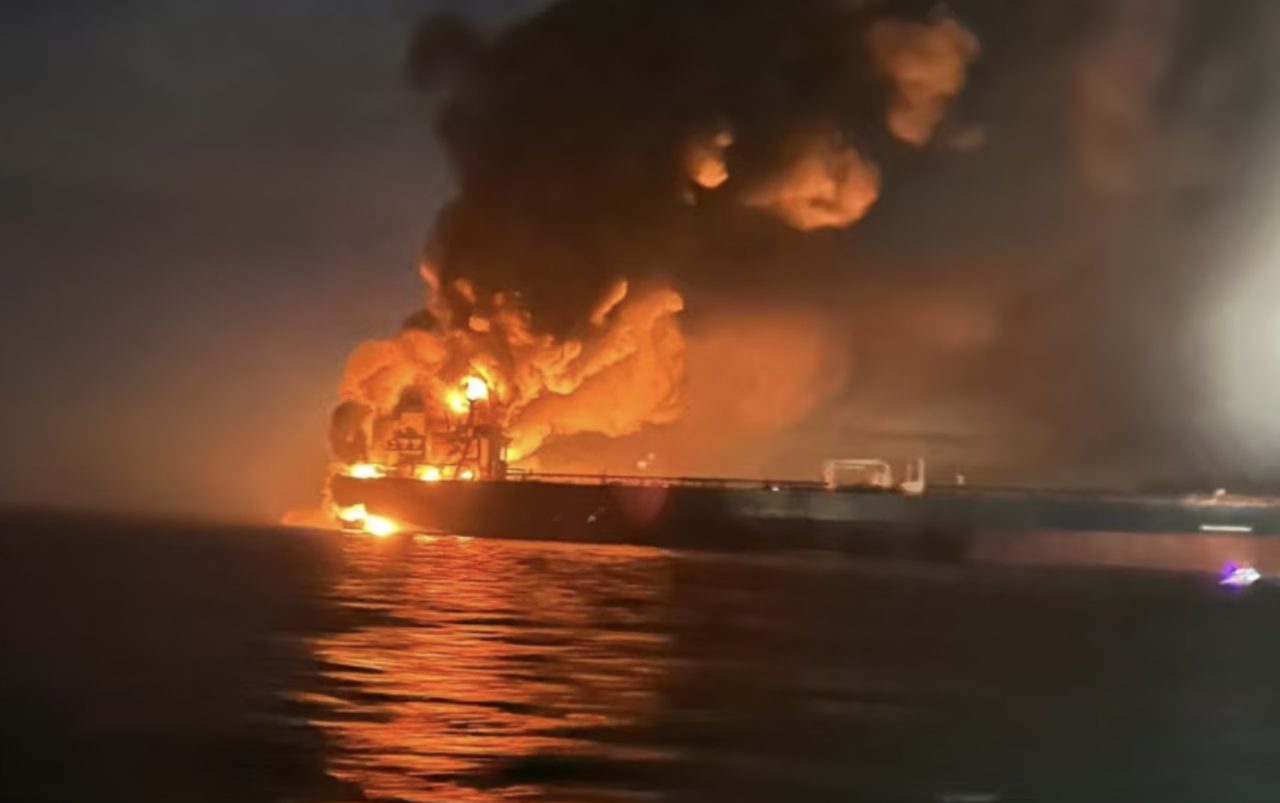
Ukraine has hit 183 vessels in a sweeping naval campaign targeting Russian logistics in the Black Sea and Sea of Azov. Since Operation Molochka began on 6 July, Ukrainian drones have damaged or destroyed scores of oil tankers and cargo ships. These include four large Suezmax-class tankers disabled in just 10 days.
The offensive relies on advanced unmanned vessels like the Mamai, which the Ukrainian security service calls the fastest in the Black Sea at 110 km/h. By striking the shadow fleet that transports sanctioned Russian oil, Kyiv aims to paralyse fuel logistics and deprive Moscow of critical budget revenue.
The economic fallout is spilling far beyond Russia's borders, drawing comparisons to the crisis in the Strait of Hormuz. Both Russian and Ukrainian attacks on merchant shipping are now directly threatening the global grain trade, pushing international wheat prices to their highest levels in recent years.
The disruption to the Sea of Azov poses a severe risk to global food supplies. Analyst Andrei Sizov warned that if Russia cannot unblock the area, it "may not be able to supply five to 10 million tonnes of wheat to the global market." Approximately 25 percent of Russian wheat exports pass through this sea.
"And the Black Sea plays a role in the wheat market similar to that of the Persian Gulf in the oil market. The Black Sea is undoubtedly the largest ‘supplier’ of wheat to the global market," Sizov told CNN.
The drone war has also ensnared neutral countries. Two tankers loading Kazakh oil were recently hit at a terminal handling 80 percent of Kazakhstan's oil exports, forcing Astana to seek alternative routes and threaten Kyiv with lawsuits.
Inside Russia, the campaign has triggered a severe fuel crisis, particularly in occupied Crimea where petrol now costs over €3 a litre and blackouts are a daily reality. Furthermore, attacks on ferries have removed 75 percent of the Kerch ferry service's capacity, crippling military transport.
Moscow is attempting to counter the threat by assigning three soldiers with machine guns and portable missiles to each civilian vessel. However, transport expert Maksym Gardus noted that Russia's tanker reserves are finite. "If you sink or damage a dozen of them every day, they will eventually run out," he said.