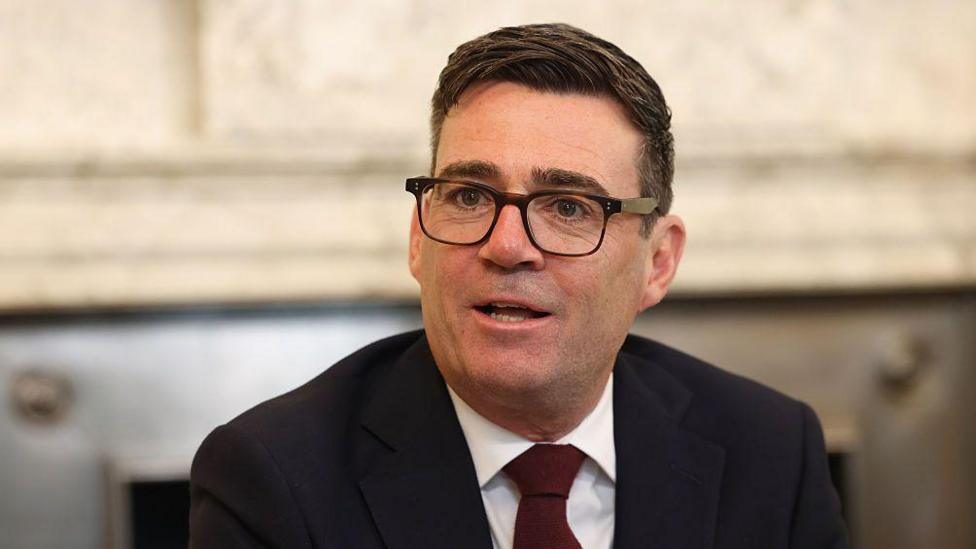
Burnham forced to choose Thames Water's fate as creditors yield

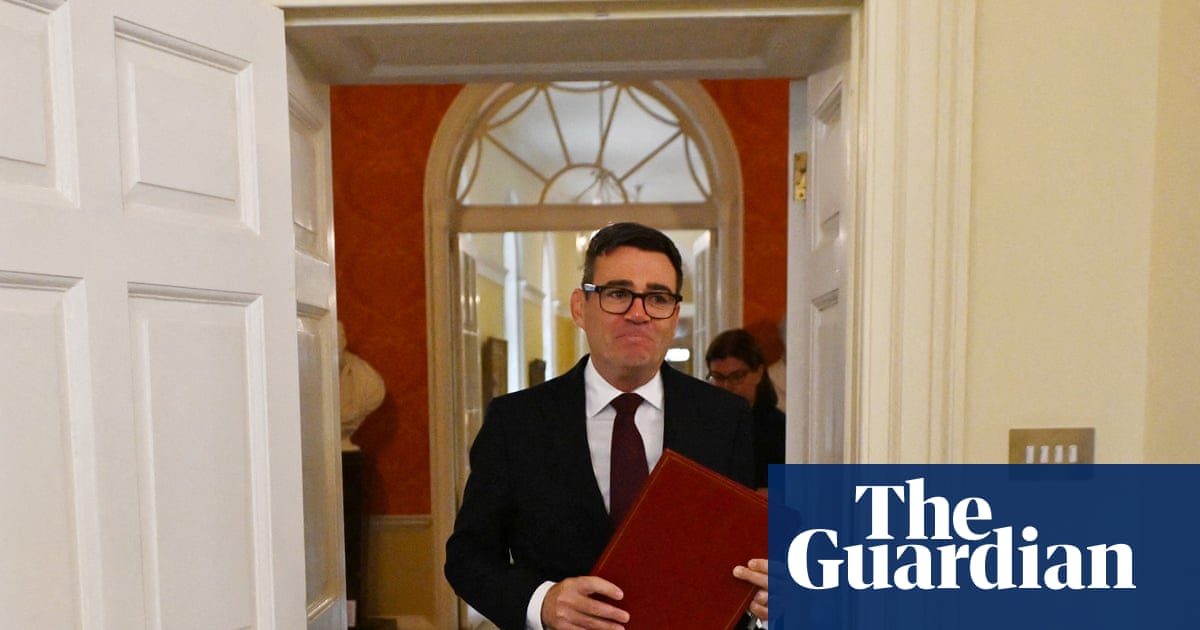
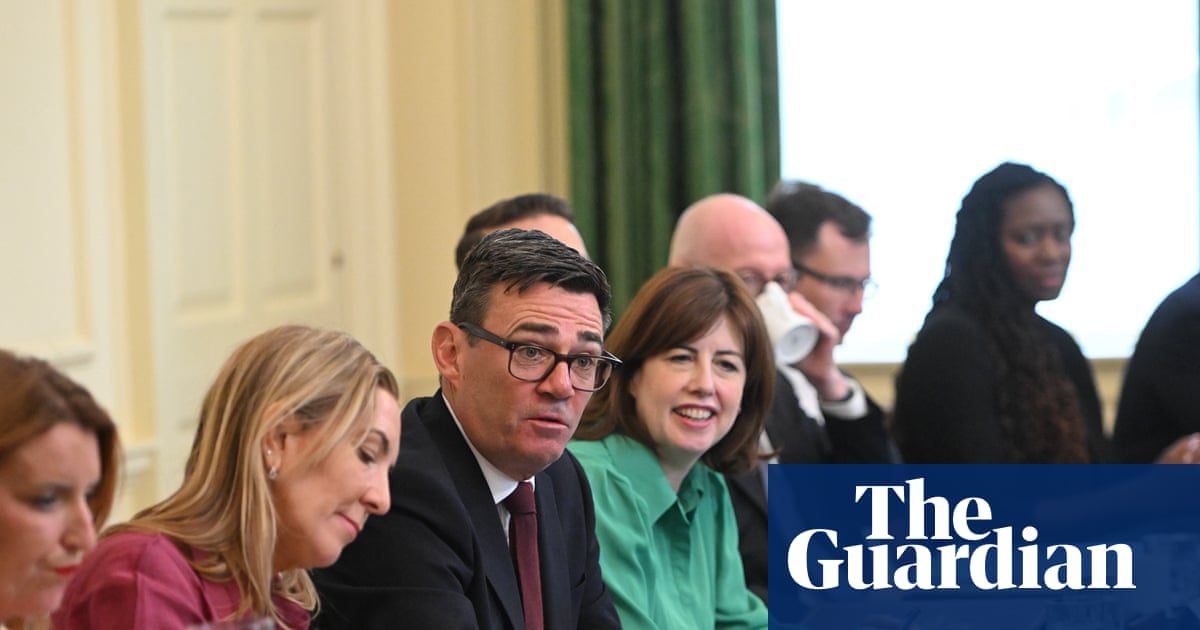
Thames Water’s creditors are suddenly offering state veto powers and deeper debt writedowns, forcing new UK Prime Minister Andy Burnham to decide between a swift private deal or a messy nationalisation that will set a precedent for European infrastructure crises.
Bondholders scrambling to rescue Thames Water have offered the UK government a "golden share" and new "supervisory structures" to secure a takeover deal. The sudden flexibility from creditors, including US hedge funds, comes after new Prime Minister Andy Burnham threatened to place the failing utility into special administration.
The concessions represent a stark shift from the weak proposals pushed during Keir Starmer’s premiership, when the Treasury explicitly pursued a "market-based solution". That approach yielded a year of inadequate offers, starting with a mere 20% haircut that failed to reflect the depth of the utility's financial crisis. The creditors' most recent proposal featured a 30% haircut, £3.35bn of new equity, £3.25bn of fresh debt and roughly £700m to cover expected environmental penalties.
Those figures must now move. With Thames’s senior debt trading at roughly 62p in the pound, a realistic deal to accelerate infrastructure spending may require upfront haircuts of 40% to 50%. Credit analysts at Moody’s already project expected losses for senior bondholders in the 35% to 60% range.
The proposed "golden share" would likely allow ministers to veto capital expenditure plans deemed too slow. The "supervisory structures" would grant municipal authorities and mayors greater influence over planning, echoing recommendations from the Cunliffe review of the water sector.
Burnham must now weigh this accelerated private recapitalisation against his campaign rhetoric. During the Makerfield byelection, he stated that public ownership is "what should be done" at Thames, though he left unclear whether he meant permanent nationalisation or temporary special administration.
Either state route invites a protracted legal battle over the valuation of the utility's £17bn-plus of senior debt. Special administration offers a clean balance sheet reset, but the process could take two years and ultimately return the company to private hands. Outright nationalisation satisfies political promises but triggers immediate litigation with creditors who are already preparing their legal defences.
"We’re prepared for all eventualities, including a special administration regime, if that were to become necessary," a spokesperson for Burnham said on Tuesday. For European investors monitoring heavily leveraged infrastructure, the prime minister's imminent choice will define the true limits of state power over private creditors.