UK PM Burnham signals major social care funding reform

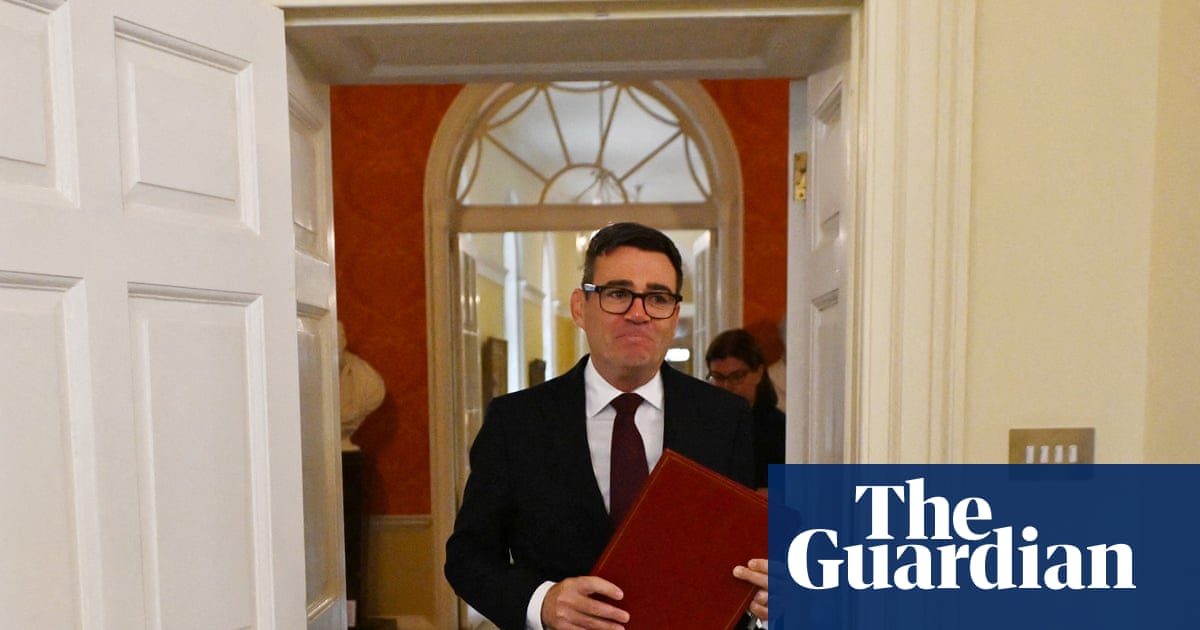
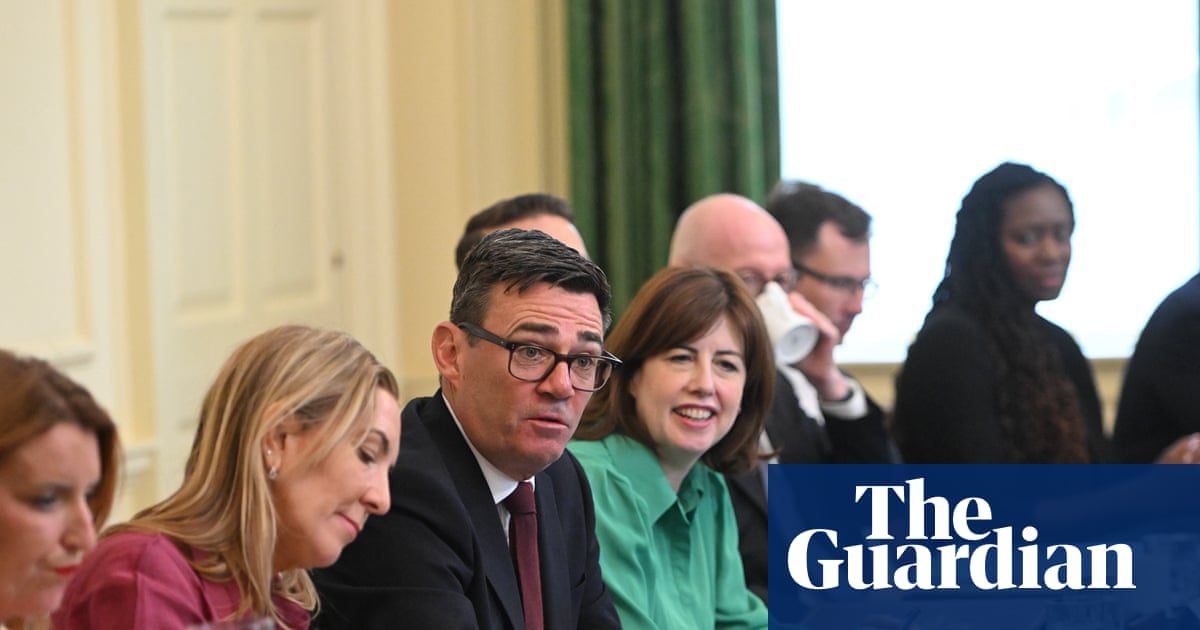
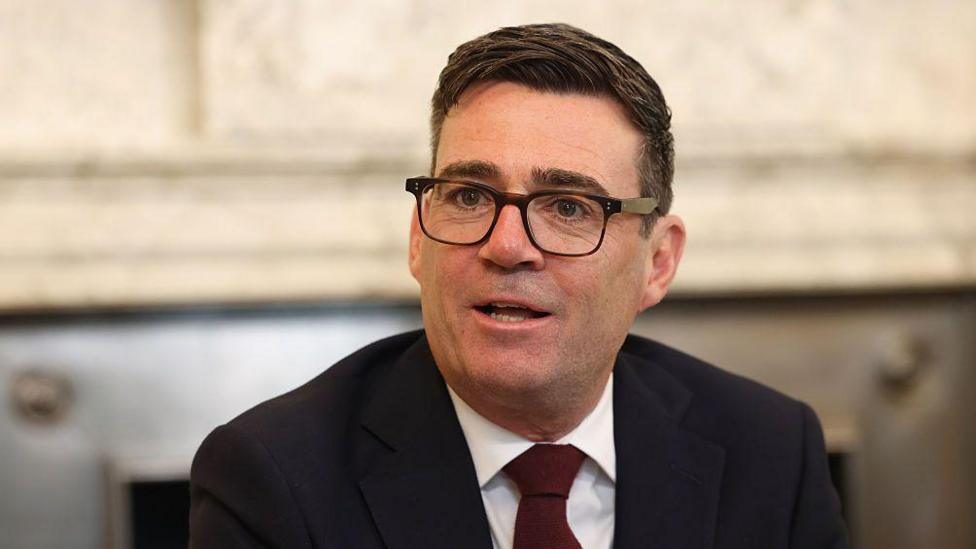
Newly appointed British Prime Minister Andy Burnham has signalled he will spend political capital on overhauling England’s social care system, a move with significant implications for private care providers and European welfare debates.
Andy Burnham has identified social care reform as a defining challenge for his new government, pledging to expend "quite a lot of political capital" on an issue that has defeated successive UK administrations. While rough sleeping dominated his first speech as prime minister, he told journalists this week that social care should be delivered "on an NHS basis", meaning free at the point of use.
For European policymakers watching Britain’s welfare state, the initiative underscores the mounting fiscal pressure of demographic change across the continent. England’s local councils spent £10.4bn on working-age adults and £11bn on older people in the year to 2024. The growing financial burden of working-age care, driven by long-term illness and disability, mirrors broader trends that are straining public health budgets from Berlin to Paris.
The political stakes extend beyond mere economics. Mr Burnham noted that restoring public trust in politics and the welfare state requires showing voters that seemingly intractable problems can be solved. Across Europe, failing public services have eroded confidence in state institutions. For the new prime minister, who has personal experience with his father’s Alzheimer’s, fixing the system is a test of whether democratic governments can still deliver complex structural reforms.
The immediate hurdle is funding, an area where past British plans have collapsed. Mr Burnham’s attempt to create a "National Care Service" was scrapped after the 2010 election when opponents labelled his funding model a "death tax". He has now ruled out income tax. This leaves the door open to a dedicated social insurance model or compulsory contributions—approaches that align more closely with continental European welfare systems than the current British framework.
Any successful overhaul will also have profound implications for private markets. The vast majority of UK social care is currently supplied by private companies, meaning reforms to integrate care with the state-run National Health Service will reshape a multi-billion-pound industry. Mr Burnham must soon decide whether private provision should continue or if the state should absorb these functions as part of his broader devolution drive.
Investors and operators will have to wait for clarity, as the independent commission led by Louise Casey has not yet begun its public outreach. Ms Casey has stated that an "honest conversation with the nation" is required before solutions are tabled. As Europe grapples with sustainable long-term care funding, the UK’s next steps will test whether a taxpayer-funded model can overcome 15 years of political paralysis.